





Introduction
Berlin is a city with a dense past, striking architecture, and a lively contemporary scene. On your first trip it’s easy to feel overwhelmed by the number of things to see: 20th-century remnants, artistic treasures, imposing monuments and peaceful green spaces all sit side by side. This guide gives you a practical, detailed rundown of the 10 must-see monuments in Berlin, with exact addresses, opening times, indicative prices in euros and local tips to help you plan your route. Whether you have a long weekend or a full week, these stops form a solid foundation to understand the city and appreciate its many facets.
Each place below was chosen because it tells an essential part of Berlin’s story: the Brandenburg Gate, an emblem of unity; the Reichstag with its glass dome symbolizing modern democracy; the museums on Museum Island preserving millennia-old masterpieces; and sites of memory like the Holocaust Memorial and Checkpoint Charlie. You’ll also find leisurely spots for a walk or quiet reflection like Tiergarten and the Victory Column, as well as contemporary artistic testimonies like the East Side Gallery, the painted stretch of the former border.
Beyond descriptions, this guide includes practical information: exact addresses for easy GPS use, typical opening hours to plan your days, entry prices as a guideline (expect seasonal variations and discounts for students, seniors or online bookings), and local tips — for example when to visit to avoid crowds, which tickets to book in advance, or how to combine multiple sites in a single day. Prices are shown in euros and reflect the common public rates at the time of writing; check official sites before you travel to confirm prices and time slots, especially for the Reichstag dome which requires prior registration.
Finally, I offer logistical recommendations: use the BVG public transport network (U-Bahn, S-Bahn, buses and trams) and consider a Berlin WelcomeCard if you’ll be making many journeys; favor morning visits for the busiest attractions; and pack comfortable shoes — Berlin is a city best explored on foot. In the sections that follow, each monument is presented individually, numbered and detailed to help you build a clear, enjoyable first-time itinerary in Germany’s capital.
1. Brandenburg Gate (Brandenburger Tor)
Address: Pariser Platz, 10117 Berlin
Price: Free
Opening hours: Open 24/7 (outer esplanade); the square is public. Guided tours run according to tour operator schedules.
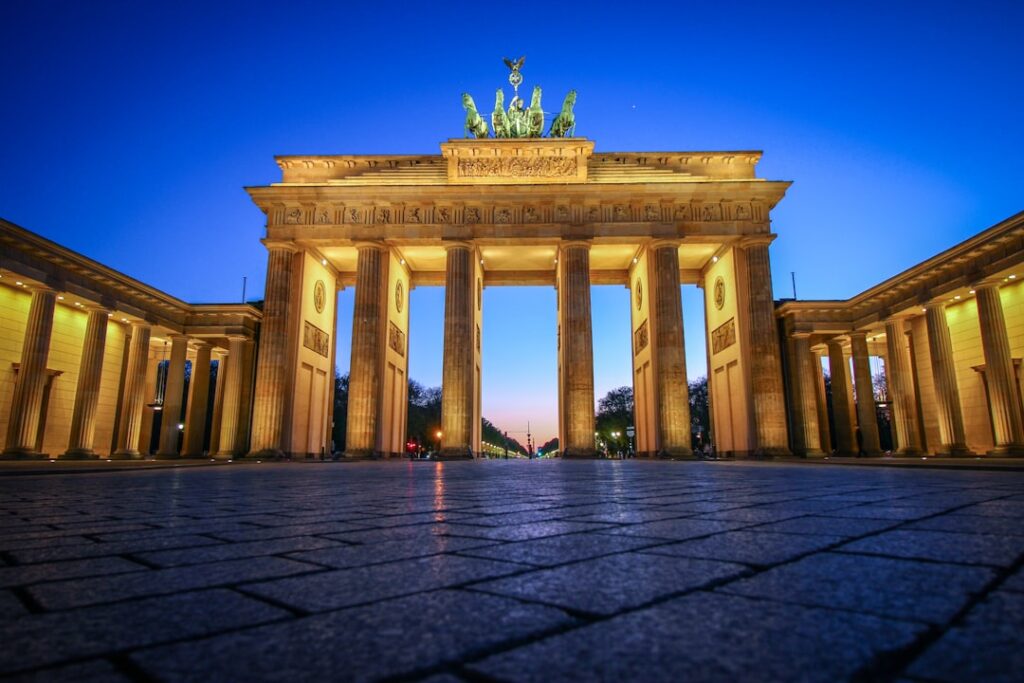
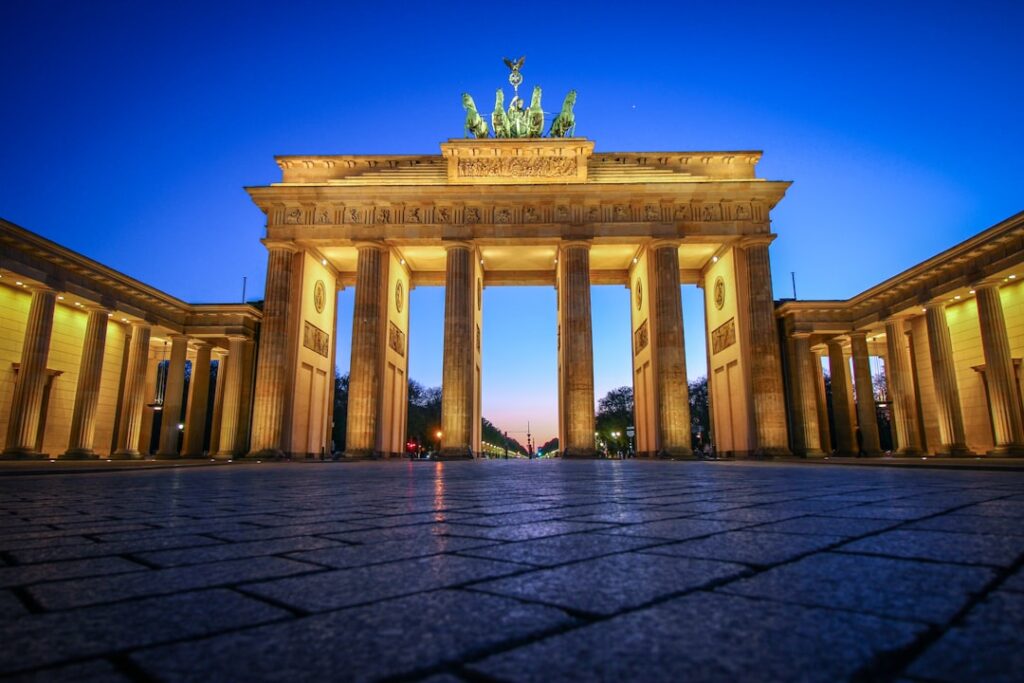
The Brandenburg Gate is Berlin’s most iconic symbol. Built in 1791 in a neoclassical style, it marks the transition between Unter den Linden and the Tiergarten park. The golden quadriga crowns the arch and looks spectacular at sunset. Historically, the gate was closed during the city’s division and today stands for reunification. Pariser Platz around the gate is also home to embassies and modern institutional buildings.
Local tip: visit early in the morning or late at night to avoid the crowds and capture soft light for photos. The area is well served by public transport (U-Bahn: Brandenburger Tor station on the U5 line).
2. Reichstag – Parliament Dome (Bundestag)
Address: Platz der Republik 1, 11011 Berlin
Price: Free access to the dome and terrace with registration; guided tours cost around €5–€10 depending on the operator.
Opening hours: Dome usually open from 08:00 to 22:00 (last entry around 21:00). Closed during parliamentary sessions or public holidays; online registration is required in advance.
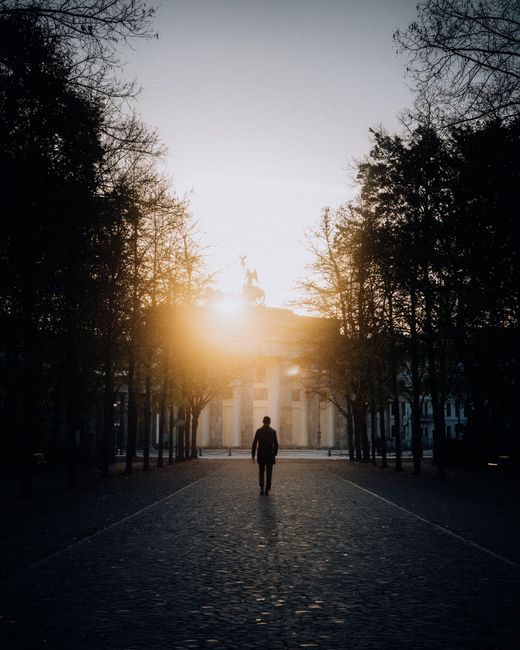
The Reichstag blends a historic facade with a contemporary glass dome designed by Sir Norman Foster. A visit to the dome gives you panoramic views over Berlin and a direct sightline into the Bundestag chamber, underlining the symbolic transparency of Germany’s political system. Registration is mandatory: bring ID for security checks. Multilingual audio guides are provided on site.
Local tip: book several days ahead, especially in high season. If official registrations are full, look for private guided tours which sometimes include dome access.

3. TV Tower (Berliner Fernsehturm)
Address: Panoramastraße 1A, 10178 Berlin
Price: Tickets roughly €22–€30 for the observation deck; online booking recommended. Dinner at the revolving restaurant costs more (around €40+ depending on the menu).
Opening hours: Generally open from 10:00 to 00:00 (seasonal variations apply).
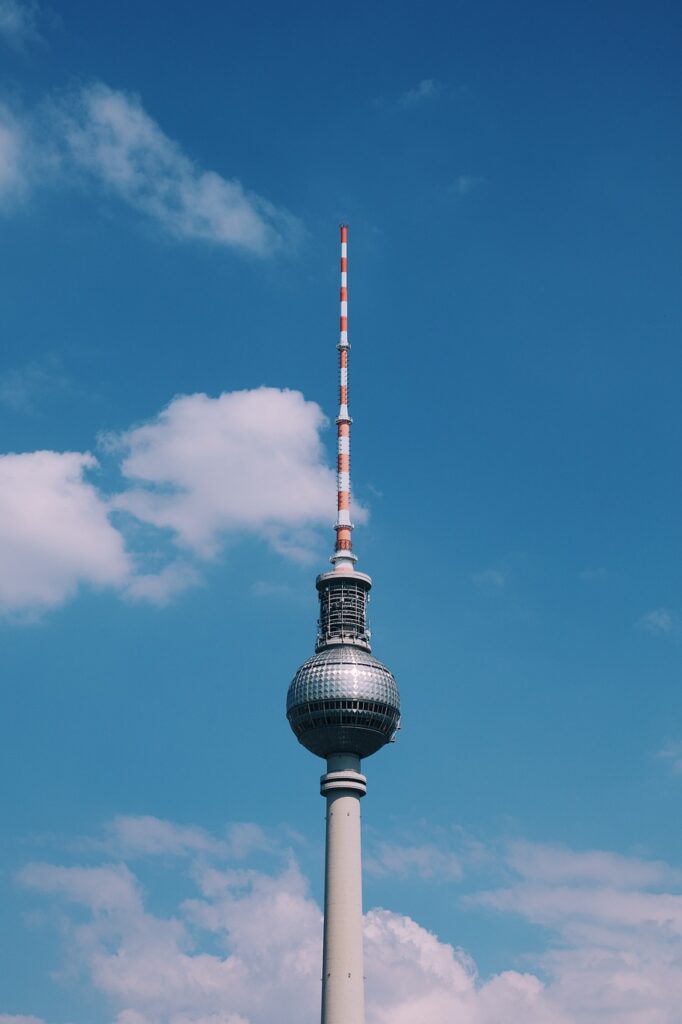
The Fernsehturm, visible from large parts of the city, offers a 360° panorama from its observation platform at 203 meters. The revolving restaurant « Sphere » provides a dining experience with a view, while the observation deck has information panels pointing out landmarks on the skyline. Lines can be long; a skip-the-line ticket is often worth the expense to save time.
Local tip: visit at sunset for both daylight and night views. Go on a weekday or early morning to avoid tour groups. Alexanderplatz S+U station is nearby.
4. Museum Island (Museumsinsel) and the Pergamon Museum
Address: Bodestraße 1-3, 10178 Berlin (Museum Island)
Price: Individual tickets: Pergamon Museum around €19 (full price); Museum Island combined pass varies roughly €18–€29 depending on exhibitions; discounts for students and seniors.
Opening hours: Typically 10:00–18:00; some museums are closed on Mondays. Check each museum’s specific hours.
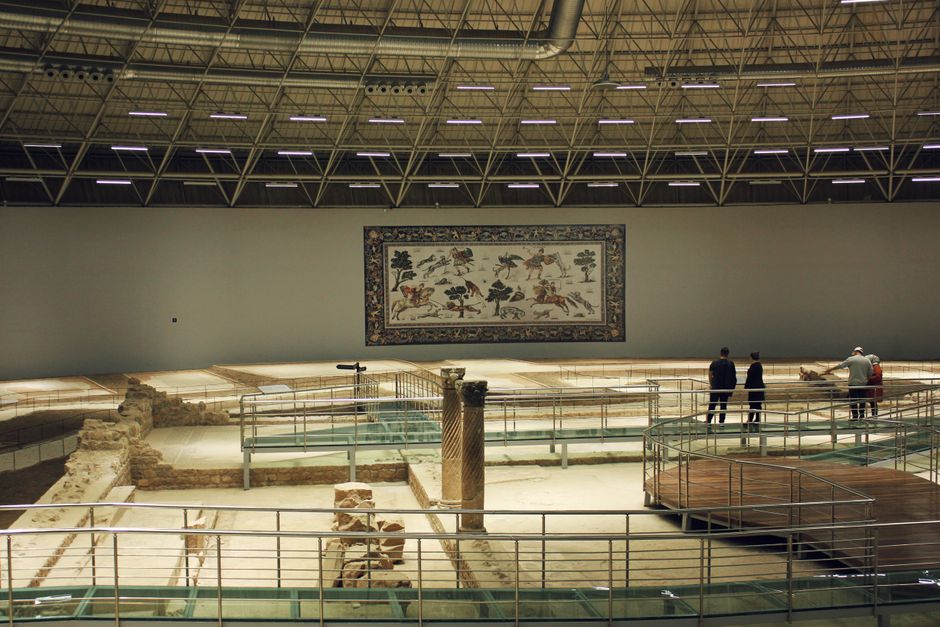
Museum Island brings together five major museums: the Pergamon, Neues Museum, Altes Museum, Bode-Museum and Alte Nationalgalerie. The Pergamon is famous for its monumental reconstructions like the Pergamon Altar and Babylon’s Ishtar Gate. The Neues Museum houses the bust of Nefertiti. These collections span antiquity through the 19th century and offer an immersive journey through centuries of art and history.
Local tip: book Pergamon tickets well in advance — time slots are limited. Allow at least a half day for the island if you plan to visit two museums, and consider a combined ticket to save money. The riverside along the Spree is very photogenic.
5. Berlin Cathedral (Berliner Dom)
Address: Am Lustgarten, 10178 Berlin
Price: Entry to the museum and dome around €10–€12 (full price); discounts for students and groups.
Opening hours: Usually 09:00–20:00 (seasonal hours; religious services may affect access).
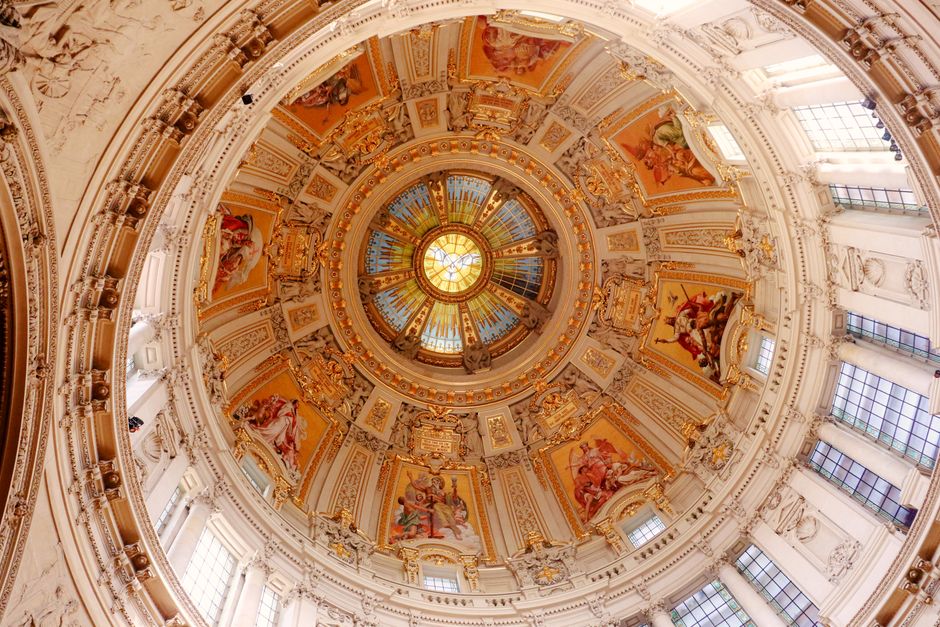
Berliner Dom, at the eastern end of Museum Island, impresses with its baroque facade and monumental dome. Inside you’ll find mosaics, a large baroque organ and galleries with views over Museum Island and the Spree. The royal crypt (Hohenzollern crypt) houses historic sarcophagi and displays about the Prussian imperial family.
Local tip: climb the dome for a close look at architectural details and panoramic views over the island. Avoid major religious services if you want to explore freely.
6. East Side Gallery
Address: Mühlenstraße 3-100, 10243 Berlin (stretch along the Spree)
Price: Free
Opening hours: Outdoor access 24/7; shops and temporary exhibitions along the wall have their own opening times.
The East Side Gallery is a preserved section of the Berlin Wall covered in murals painted in 1990 by artists from around the world. It’s the largest open-air gallery in the world and reflects the hopes and tensions of the post-wall era. Iconic works like the « Bruderkuss » (the brotherly kiss) are must-see stops for photographers and history buffs.
Local tip: walk the wall in the morning for photos with fewer people. Treat the artworks respectfully — sections are frequently restored. Ostbahnhof station is nearby for easy access.

7. Checkpoint Charlie and the Mauermuseum
Address: Friedrichstraße 43-45, 10117 Berlin (Checkpoint Charlie)
Price: Mauermuseum (Checkpoint Charlie museum) about €14.50 for adult entry; the exterior checkpoint area is free to view.
Opening hours: Museum usually open from 10:00 to 19:00 (hours vary by season).
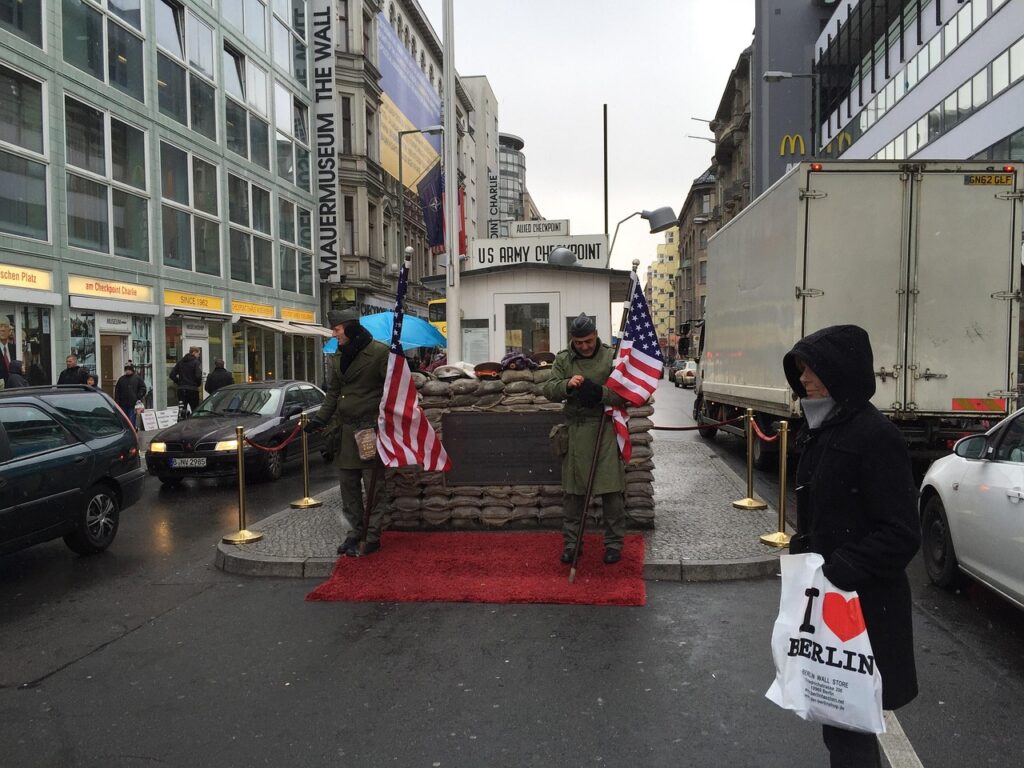
Checkpoint Charlie was the most famous crossing point between East and West Berlin during the Cold War. The outdoor site features a reconstruction of the guardhouse and informational panels. The adjacent Mauermuseum tells escape stories, shows modified vehicles and preserves period documents, offering a moving window into lives caught between two systems.
Local tip: combine this visit with a walk through Mitte and stop at the many nearby memorial plaques. Expect a very touristy area; buy museum tickets online to skip the queue.
8. Memorial to the Murdered Jews of Europe (Holocaust Memorial)
Address: Cora-Berliner-Straße 1, 10117 Berlin
Price: Field of stelae is free; the Information Centre (documentation center) is generally free or accepts donations; special exhibitions may charge (~€3–€5).
Opening hours: The field is open 24/7; the Information Centre typically from around 10:00–20:00 (check exact days and times).
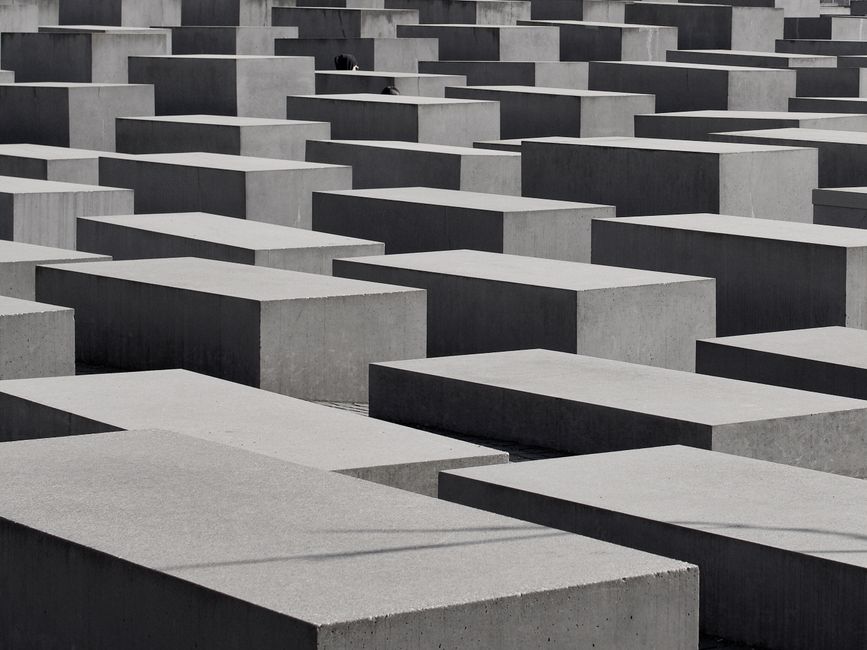
The memorial consists of 2,711 concrete stelae arranged across a large site, creating a geometric, introspective landscape. The experience is designed for reflection and remembrance, while the underground information center provides factual context and personal testimonies about Jewish victims of the Nazis. It’s a solemn and essential place of memory.
Local tip: respect the atmosphere of the site; avoid inappropriate behavior. Visit the Information Centre to better understand the individual stories behind the monument.
9. Charlottenburg Palace (Schloss Charlottenburg)
Address: Spandauer Damm 10-22, 14059 Berlin
Price: Palace and garden tickets about €12–€19 depending on the route; discounts for students and seniors.
Opening hours: Palace generally open 10:00–18:00 (seasonal hours; closed on some days for events).
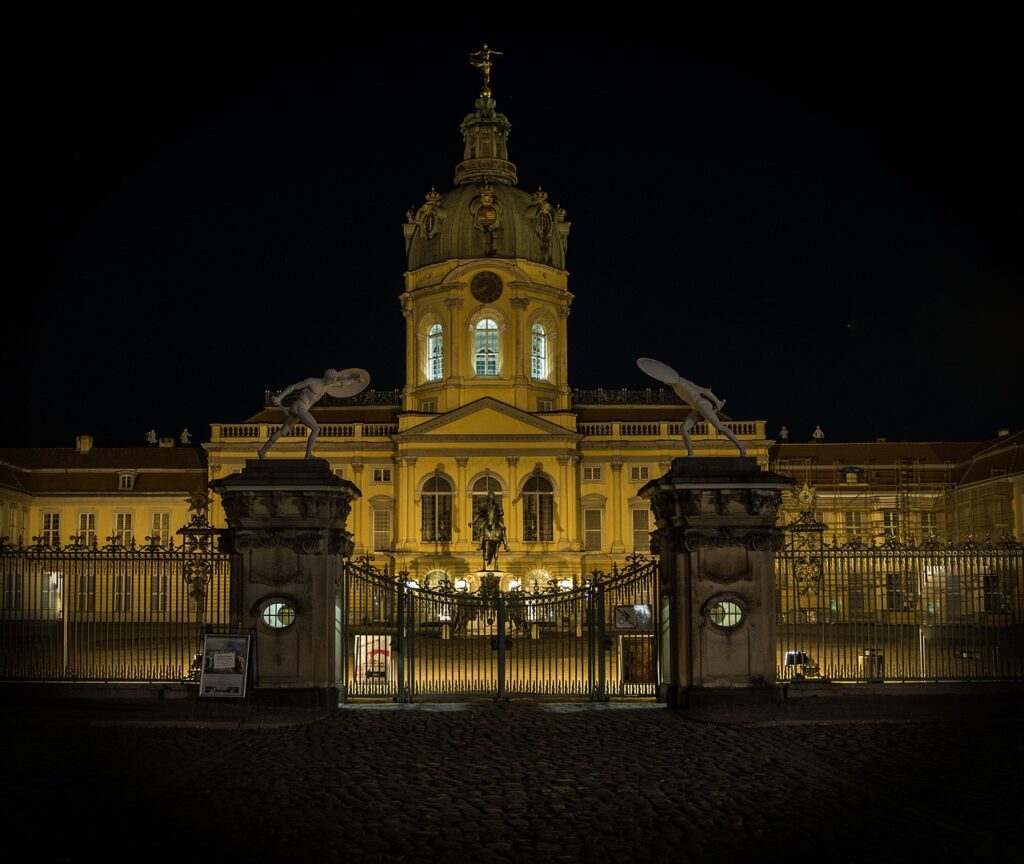
Charlottenburg Palace is Berlin’s largest historic palace, built in the 17th century and expanded over time. The royal apartments, porcelain galleries and formal French-style gardens let you imagine life at the Prussian court. Temporary exhibitions and classical concerts in the baroque halls add to the site’s appeal.
Local tip: pair the palace visit with a stroll through the gardens, which are especially beautiful in spring and summer. Take time to explore the smaller museum rooms and check the concert schedule for a memorable cultural experience.
10. Victory Column (Siegessäule) and Tiergarten
Address: Großer Stern (intersection), 10557 Berlin (Siegessäule)
Price: Access to the observation platform about €3–€4 (entry ticket); Tiergarten park is free.
Opening hours: Column often open 09:30–18:00 (seasonal hours); park accessible 24/7.
Located in the heart of Tiergarten park, the Siegessäule is a column topped with a golden statue of the goddess Victoria. After climbing narrow steps, the platform offers clear views along the Unter den Linden axis toward the Bundestag. Tiergarten itself is a vast green lung — perfect for a picnic, cycling or walking — and contains several monuments and cafés to rest in.
Local tip: combine the column climb with a bike or walking loop in the Tiergarten. Sunny afternoons are ideal for enjoying the park — bring water and plan shaded breaks.
Conclusion
These ten monuments provide a well-rounded introduction to Berlin: political symbols like the Brandenburg Gate and the Reichstag; poignant sites of memory such as the Holocaust Memorial and Checkpoint Charlie; major cultural experiences like Museum Island and the Berlin Cathedral; and places for relaxation and reflection like the East Side Gallery, Tiergarten and Charlottenburg Palace. Together they tell Berlin’s long, complex story — from the Prussian monarchy to the scars of the Cold War and the vibrant European metropolis it is today.
To make the most of your first visit, organize your days by neighborhood: group Museum Island, the Cathedral and the Reichstag in the same area; book time slots for the Reichstag dome and the Fernsehturm in advance; and prioritize an early visit to the Pergamon Museum. Use a Berlin WelcomeCard if you’ll be taking many trips and visiting multiple museums, and wear comfortable shoes — Berlin is best discovered on foot, neighborhood by neighborhood. Finally, respect memorial sites and ask permission before photographing inside religious buildings or museums when required.
With this guide — exact addresses, indicative opening hours, prices and practical tips — you can plan a rich, well-structured first trip. Berlin is a city where every corner holds a story; give yourself the time to listen, while also enjoying the cafés, markets and cultural scenes that make the capital so distinctive. Have a great trip and enjoy your discovery!