





Introduction: Why Explore Berlin’s Forgotten Neighborhoods
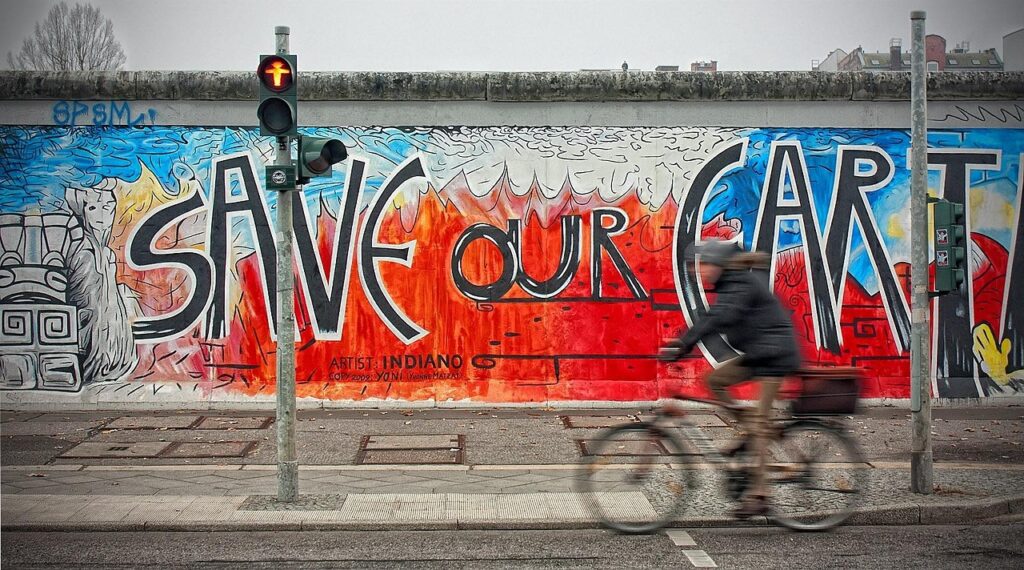
Berlin is a city you earn: beyond Mitte’s iconic sights — Alexanderplatz, Museum Island and the Brandenburg Gate — there’s a whole urban fabric of lesser-known neighborhoods that are every bit as important for understanding the capital’s soul. These areas, often skipped by standard tourist routes, serve up a range of unique experiences: bustling indoor markets, memorials and remnants of the Soviet era, industrial wastelands reclaimed by street art, leafy parks where locals unwind, and riverbanks rarely visited by tourists. Heading beyond Mitte means slowing down, getting intentionally lost, and seeing Berlin at street level.
This practical overview proposes an alternative route focused on “forgotten neighborhoods”: Moabit with its historic food hall, Wedding and the banks of the Panke, Lichtenberg and the memory of East Germany, Treptow-Köpenick with the Plänterwald forests, Weißensee and its historic cemeteries, plus green detours like the Britzer Garten. Each section includes exact addresses, practical details (opening hours, approximate prices) and vivid descriptions to help you plan a day — or several — away from the crowds. The point isn’t to replace Mitte, but to complement a Berlin visit with places that reveal the city’s layered urbanism and living memory.
Why follow this route? You’ll find more authentic encounters (cafés frequented by local families, multicultural food markets), varied urban scenery (canals, graffitied industrial wastelands, wooded riverbanks), and a slower style of tourism focused on observation and sensory discovery. You’ll also get local tips: how to make the most of public transport (BVG/S-Bahn/Tram/U-Bahn), where to eat well on a budget, and which sites to book in advance when times are fixed. Lace up comfortable shoes, get a Berlin AB/BC transport pass depending on your plan, and let these neighborhoods surprise you — here history, nature and creativity coexist off the beaten track.
Moabit: Arminiusmarkthalle, Spree Banks and a Social Mosaic
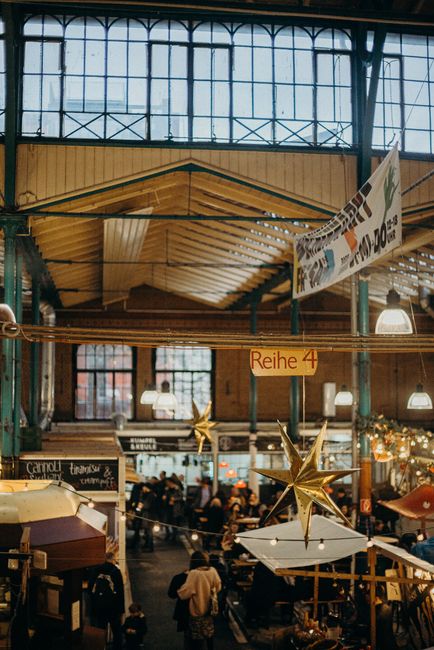
Moabit, a residential enclave technically in the Mitte district but often felt as peripheral, is a perfect starting point if you want to escape tourist bustle. The neighborhood’s star is the Arminiusmarkthalle, a historic market hall at the district’s heart. Arminiusmarkthalle, Arminiusstraße 2-4, 10551 Berlin. Opening hours: Tuesday–Friday 10:00–19:00, Saturday 09:00–18:00, Sunday 10:00–18:00, closed Monday (hours may vary, check the official site). Cost: free entry; dishes typically €3–12 depending on the stall. Built in 1891 and recently renovated, this hall blends international food stands, artisan bakeries and small shops — a must for tasting Berlin’s culinary diversity.
A short walk away, the Spree’s riverbanks and the Beusselpark island offer peaceful strolls. Head to Schillstraße to admire the mix of workers’ housing, new eco-friendly developments and artisan workshops. For a coffee break, try Café Strobels, Alt-Moabit 114, 10559 Berlin — open 08:00–18:00 on weekdays, 09:00–17:00 at weekends; cappuccino ≈ €3.30.
History buffs will appreciate a visit to the Justizvollzugsanstalt Moabit (exterior view only, Helgoländer Ufer 1, 10557 Berlin) and the traces of industrialization along the Europahaus. Moabit is also a multicultural hub: Turkish, Arab and African shops sit side by side, offering affordable, authentic cuisine. Local tip: explore the small streets branching off Turmstraße to discover ethnic grocery stores and family-run restaurants where a main course usually costs between €6 and €10.
Wedding: Street Art, Wastelands and the Panke Riverbanks
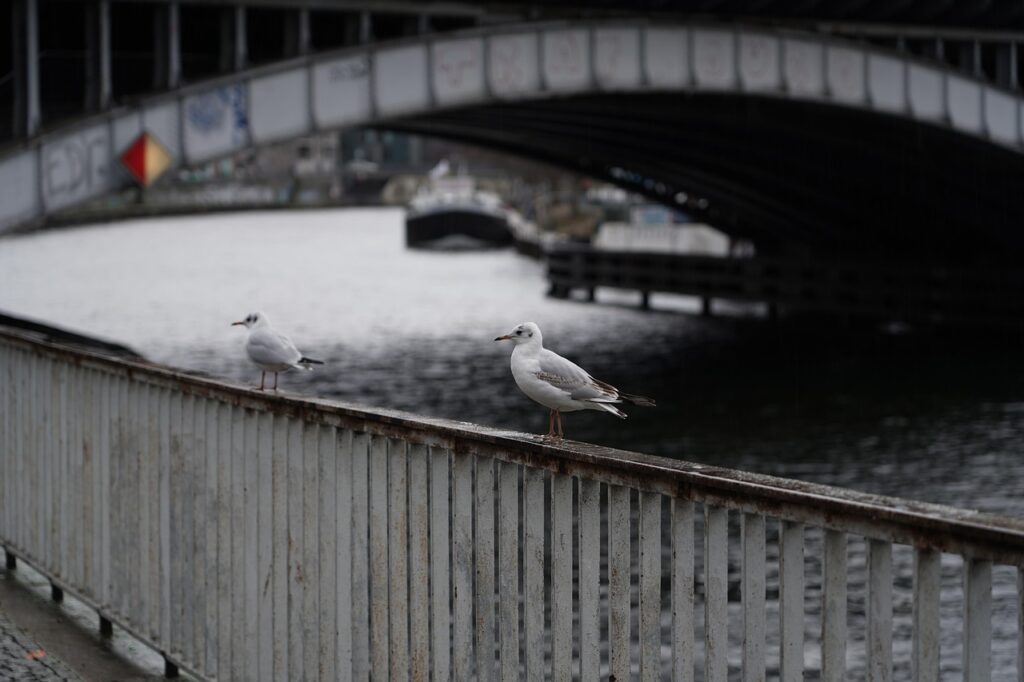
Long stigmatized, Wedding is now a laboratory of urban culture and coexistence. Start your walk along the Panke, a modest river that cuts through the neighborhood and creates unexpected riverbanks — begin at Pankepark (Am Nordufer 2, 13357 Berlin). A stroll along the Panke is particularly pleasant in spring and summer, with urban anglers, joggers and families on show. Then wander Brunnenstraße and Rehberge to discover walls covered in street art, artists’ studios and independent cafés.
A noteworthy stop: the Urban Nation Museum for Urban Contemporary Art, Bülowstraße 7, 10783 Berlin (though technically in Schöneberg, some exhibitions and pop-up projects appear in Wedding). Opening times and temporary shows vary; façades are generally free to view, and guided visits may cost €5–10. Within Wedding, look out for local galleries and small live-music venues, often announced on neighborhood social channels or posted in cafés.
For a quick lunch head to Marjellchen, Osloer Straße 12, 13359 Berlin (Belarusian and Eastern European specialties), open 12:00–22:00; dishes €8–18. A cheaper option: Orient Express Imbiss, Müllerstraße 145, 13353 Berlin, famous for kebabs and takeaway meals (≈ €4–6). Wedding is also a great place to witness gentrification in progress: old factories becoming lofts and cultural spaces, while artisans and working families keep the area grounded and human.
Practical tips: take the S-Bahn to Berlin Gesundbrunnen (S41/S42, S8, S9) then walk toward Brunnenstraße to start your visit; for evenings, pick cafés with local programming rather than tourist clubs. Explore on foot or by bike — there are many cycle lanes and Velo rentals available. And remember to respect residential zones: Wedding is above all a living neighborhood where people shop and walk their dogs.
Lichtenberg and Hohenschönhausen: Memory, Soviet-Era Architecture and History Museums
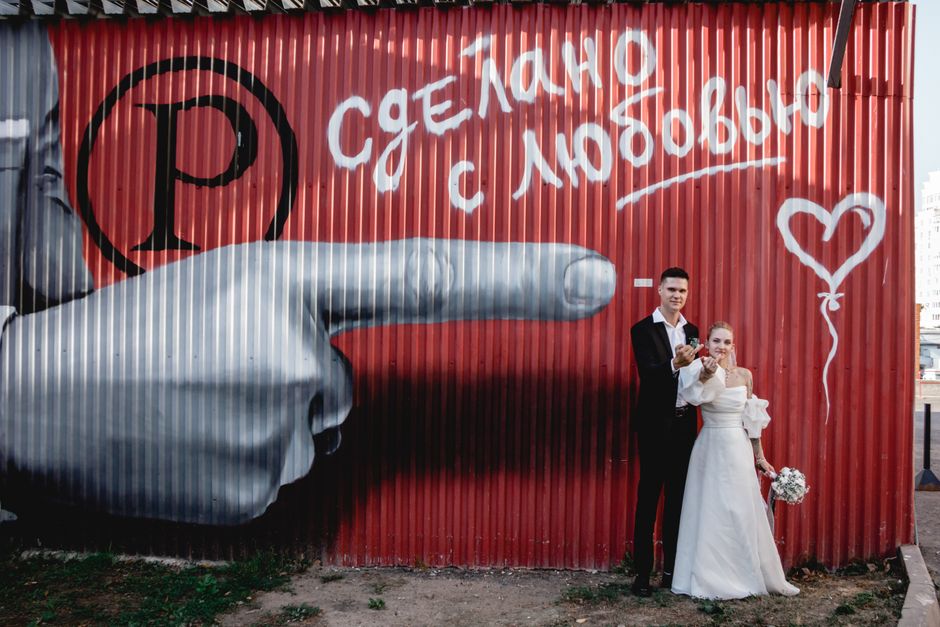
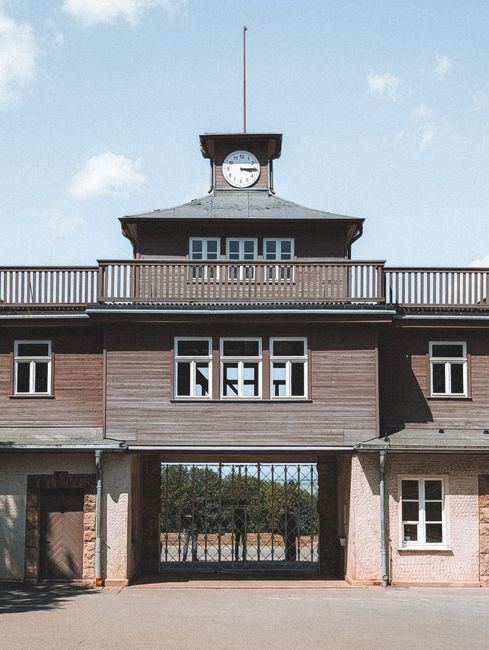
Lichtenberg and Alt-Hohenschönhausen reveal another chapter of Berlin’s story, far from Mitte’s staged memorial landscape. The Gedenkstätte Berlin-Hohenschönhausen (Memorial and Museum Hohenschönhausen), Genslerstraße 66, 13055 Berlin, is essential for understanding the mechanisms of repression in the German Democratic Republic (GDR). Opening times: Tuesday–Sunday 10:00–18:00, closed Monday. Admission: guided tours around €8 (reduced rates possible; discounts for children and youth). Guided tours (in German and English depending on schedule) let you see cells, isolation rooms and hear firsthand testimonies from former detainees — a solemn, structured experience that takes about two hours.
Nearby, the urban landscape is shaped by post-war architecture and residential complexes from the East German period. Architecture fans should stroll Frankfurter Allee and Karl-Marx-Allee (east side) to see monumental facades and the wide boulevards typical of Soviet planning. Cultural stops worth checking: the Kunsthaus Fridericianum (check local listings), plus small community centers that host temporary exhibitions and concerts.
For food, try one of the local bistros along Landsberger Allee where a main dish costs around €7–12. Tip: combine the memorial visit with a walk in Landschaftspark Herzberge (Herzbergstraße 79, 10365 Berlin) for a green break; entry is free. Transport: take S5/S7/S75 to Lichtenberg, then transfer to the M10 tram or a bus depending on your destination.
Treptow-Köpenick: Plänterwald, Spreepark and the Eastern Forests
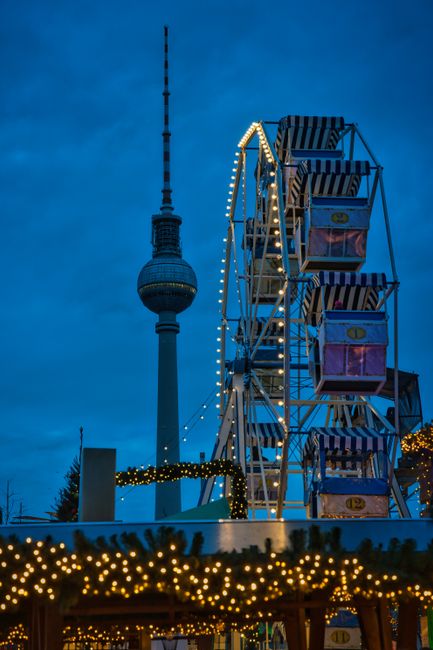
If you’re after natural spaces and distinctive wastelands, head southeast to Treptow-Köpenick. Start in Plänterwald and the Spreepark (the abandoned amusement park) at Am Flutgraben 1, 12435 Berlin. Spreepark is a fascinating remnant of urban leisure: a rusting Ferris wheel, frozen rides and vegetation reclaiming the site create dramatic photo opportunities. Note that free access is prohibited for safety reasons; occasional guided tours are organized by local groups — typical tour cost €8–12, times vary, so booking in advance is strongly recommended (check cultural calendars for dates).
Nearby, Müggelsee (12559 Berlin) and the Müggelberge offer a large recreation area: beaches, trails and viewpoints. For lunch by the water try Seeblick Restaurant, Wendischheide (details via the local tourist office) — mains €12–25. Locals enjoy impromptu barbecues, boating and the cycle paths that run into the forest. For industrial-history enthusiasts, the docks and old factories along the Spree nearby have been converted into studios and alternative spaces.
Practical tips for Treptow-Köpenick: travel time from Mitte is 30–50 minutes by public transport (S-Bahn to Treptower Park then bus or bike). Bring water and sturdy shoes for forest trails; in summer, start early to avoid heat and weekend crowds. Photographers should aim for sunrise or sunset for exceptional light over the lake or Spreepark structures.
Weißensee and Britzer Garten: Cemeteries, Lakes and Landscaped Gardens
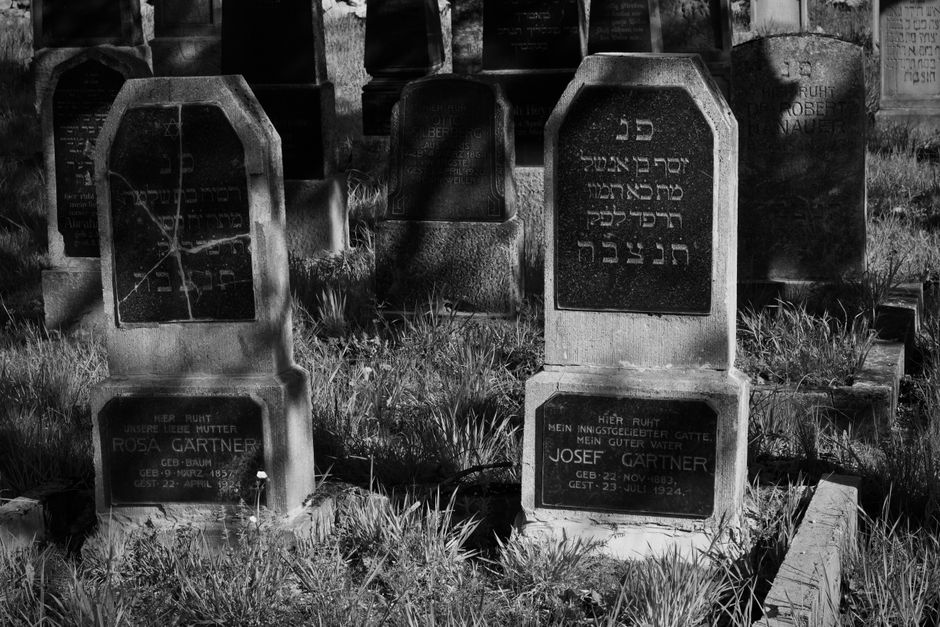
Weißensee is well known among Berliners for its large Jewish cemetery (Jüdischer Friedhof Weißensee) and its calm residential streets. Jüdischer Friedhof Weißensee, Am Friedenstal 8-9, 13088 Berlin, is one of the largest Jewish cemeteries in Europe. Opening hours: generally 09:00–17:00 (seasonal variations), free entry but observe rules of reverence. The avenues, headstones and mausoleums form an intimate route filled with history and funerary architecture. It’s a place for reflection and respectful photography (avoid intrusive shots of individual graves).
Nearby, the Weißer See and its surrounding park provide a bucolic walk: pedal boats in summer, waterside cafés and lawns for picnics. For a broader outing head to Britzer Garten, Sangerhauser Weg 1, 12349 Berlin. Opening hours: typically 09:00–19:00 in season, 09:00–17:00 off-season (check before you go). Admission: adults ≈ €4.00–5.50, reduced rates for students/children. Britzer Garten is a landscaped park created for a horticultural exhibition: flowerbeds, winding paths, playgrounds and small educational farm areas. It’s ideal for families or anyone craving a botanical pause away from the urban rush.
Local tips for Weißensee and Britz: pair a cemetery visit with coffee at Café Weißensee (local address, opening 09:00–18:00) and enjoy a neighborhood brewery for an early dinner (mains €8–15). Britzer Garten often hosts summer concerts and themed floral events — check the online program. To reach these spots, use the M4 tram for Weißensee or regional buses for Britz; a BVG AB/BC ticket will cover a day of exploration depending on where you go.
Conclusion: Practical Tips and a Suggested Route
Exploring Berlin’s forgotten neighborhoods takes curiosity and a bit of planning. To make the most of your trip, here’s a suggested itinerary for two days or more: Day 1 — morning in Moabit (Arminiusmarkthalle for breakfast), stroll along the Spree and lunch on Turmstraße; afternoon in Wedding for street art and the Panke; dinner at a local Imbiss. Day 2 — morning in Lichtenberg (Gedenkstätte Hohenschönhausen; book guided tour in advance), afternoon unwind in Treptow-Köpenick at Spreepark and Müggelsee, finish the day at Britzer Garten or Weißer See for sunset. Adapt these ideas to your interests and available time.
Practical info: buy a Berlin WelcomeCard or a BVG pass depending on your stay — single AB ticket ≈ €3.00, day AB ticket ≈ €8–9 (approximate). Many sites ask for respectful dress (especially cemeteries and memorials) and attention to rules (photography, access). Prices quoted in this guide were accurate at the time of writing; check official sites for current opening times and fees, particularly for guided visits (Spreepark) and museums.
Finally, adopt the Berlin mindset: slow down, be open and be respectful. Talk to locals, support small cafés and shops, and keep an eye out for posters announcing local events and exhibitions. These forgotten neighborhoods aren’t static attractions but living places — best discovered on foot, taking time to listen and watch. Happy exploring: Berlin still has plenty of surprises off the beaten path.