






Introduction — Why this hands-on guide for finding the best currywurst in Berlin
Currywurst isn’t just a dish: it’s a Berlin institution. From late-night snacks to quick lunches and tourist rituals, knowing how to spot a truly great currywurst will save you disappointment and turn a quick stop into a memorable taste experience. This practical guide is designed for use on the ground: clear steps, checklists, exact addresses, price ranges and opening hours so you can test and compare quickly. You’ll learn what to look at, taste and ask for, and you’ll leave certain you’ve found — or avoided — a currywurst worthy of Berlin.
Instead of lengthy historical notes, this article lays out five simple, actionable criteria. Each one comes with step-by-step instructions, concrete examples to try right away in the city (addresses, prices and opening hours), and a mini-checklist you can print or save on your phone. You’ll learn, for example, to recognize the ideal sausage texture, judge the sauce at a glance, check freshness and doneness, weigh value for money by neighborhood, and spot signs of a serious vendor (clean counters, a local queue, preparation in front of you).
The guide is aimed at everyone: the rushed local who wants a good currywurst before work, the curious tourist who wants to taste the classics without getting ripped off, and even the foodie who wants to compare multiple spots to build a personal ranking. At the end you’ll find a compact checklist and a short roadmap with three test routes (tourist center, Kreuzberg/Kottbusser Tor and Prenzlauer Berg) so you can validate the criteria in 2 to 4 stops depending on your time.
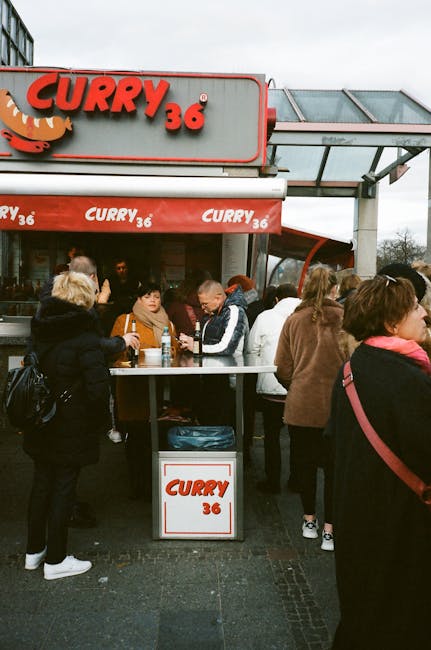
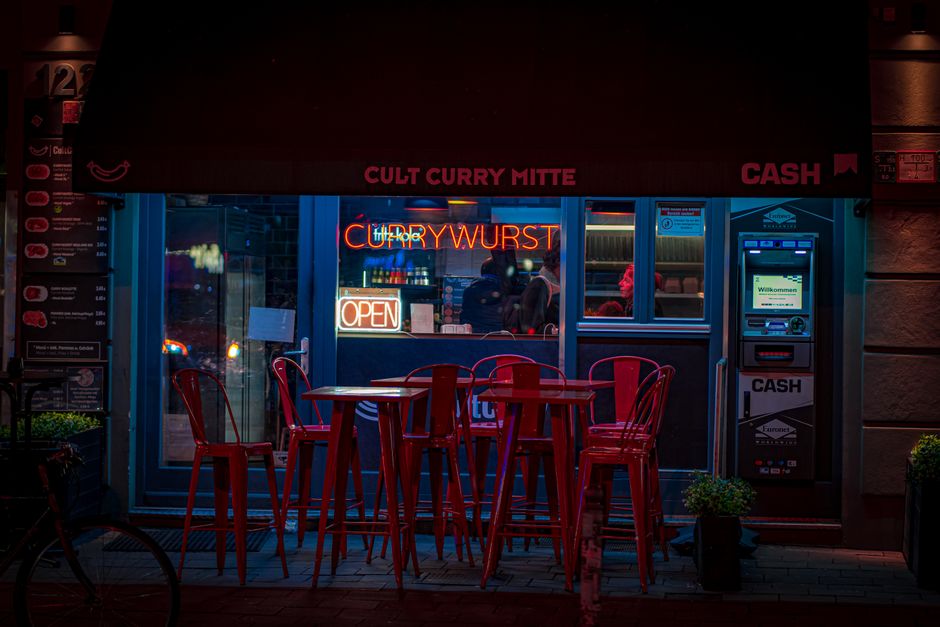
Before you start: bring cash (many stands accept small cards but prefer cash), a plastic bag if you’re on the move, and a bottle of water. We’ve also included visual cues 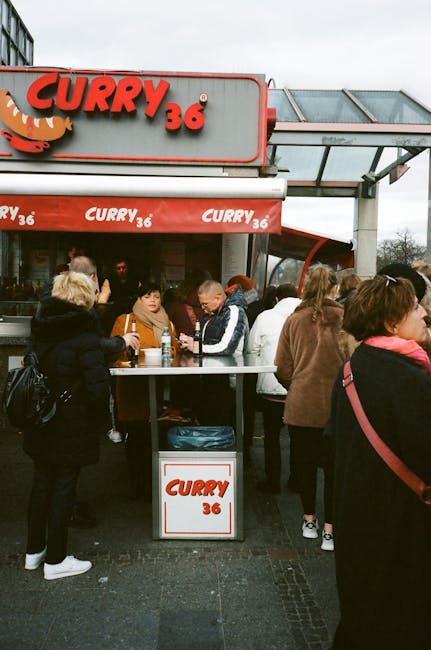 to help you recognize venues and the visual presentation of a well-served currywurst. Now, let’s get into the 5 criteria and the practical steps to test them around Berlin.
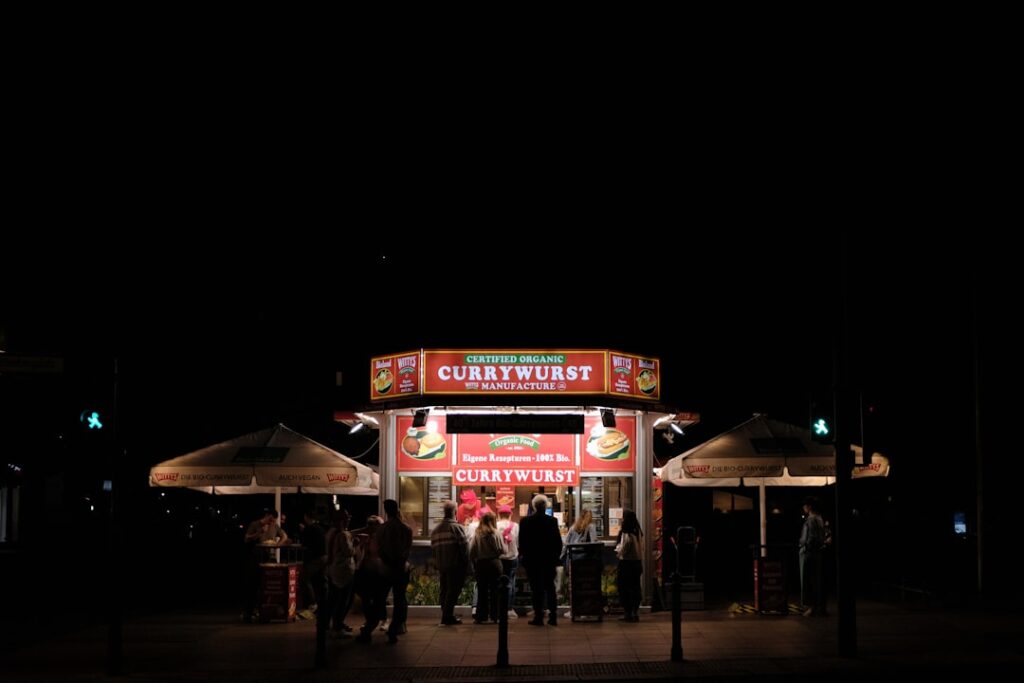
1) Criterion 1 — The sausage: type, texture and cooking (3-step test)
Why it matters: the sausage is the foundation. A great sauce can’t save a soggy or burnt sausage. In Berlin two types dominate: the pork-based Bratwurst (juicier) and the thinner Bockwurst. The right sign: firm yet juicy meat, casing lightly crisped. Here’s how to test in three simple steps, with addresses and price examples.
- Visual inspection — Look at the cross-section: the crumb should be compact, not too greasy or too dry. Large black blisters or a completely cracked casing mean the sausage is overcooked. (Quick test: check the display or the stand.)
- Tactile test — If possible, press the sausage with your fork: it should give slightly but keep its shape. A sausage that flakes apart is too old. Ask for « half hot » or « voll gebraten » to check the cooking at Curry 36, for example.
- Taste and chew — Take a small bite without sauce first: you should detect seasoning (pepper, a hint of nutmeg) and balanced fat. Then try it with the sauce.
Places to test this criterion:
- Curry 36 — Mehringdamm 36, 10961 Berlin. Price: Currywurst with roll ~€3.00–€3.50. Opening hours: often open 24h (check locally). Why try it: high footfall, cooking to order visible behind the counter.
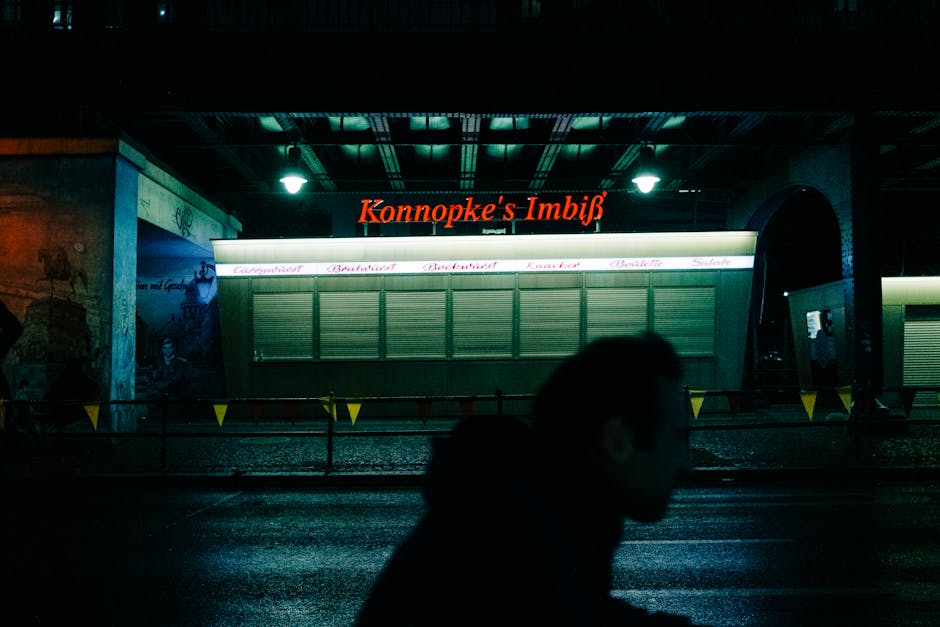
- Konnopke’s Imbiss — Schönhauser Allee 44b, 10435 Berlin. Price: Currywurst ~€3.10–€3.50. Opening hours: around 10:00–22:00 (seasonal). Why: specialist in griddle-cooked sausages, a classic East-Berlin recipe.
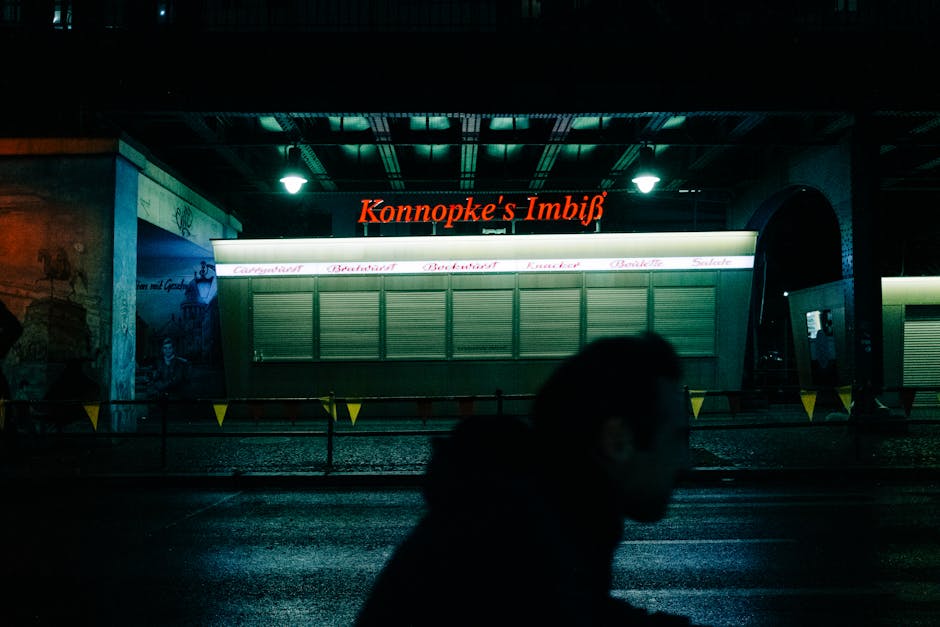
Quick checklist — The sausage:
- Compact cross-section, not crumbly
- Casing lightly crisp
- Meaty aroma detectable without sauce
2) Criterion 2 — The sauce: balance, texture and freshness (practical approach)
The curry sauce is often what divides purists. Some sauces are vinegary, others very sweet. What matters is the balance between tomato, curry and acidity. Here’s how to evaluate it in practice.
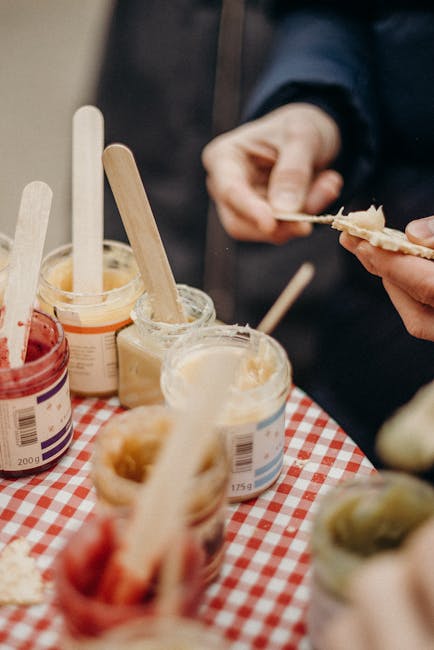
- First visual impression — The sauce should be glossy, not separated (no visible oil). A watery, overly thin sauce often indicates an industrial, diluted base.
- Acidity test — Taste a small amount on its own: a good sauce has a tang (vinegar) to balance the sweetness. Too sweet = likely industrial sauce.
- Texture and spices — A sauce with fine curry grains or visible spices is usually homemade. Look for smoked paprika, mild curry and a hint of chili.
Addresses and examples:
- Witty’s Kurfürstendamm — Kurfürstendamm 224, 10719 Berlin. Price: currywurst starter ~€4.50 (organic). Hours: 10:00–20:00. Why: organic recipes with a spicier, house-made sauce.
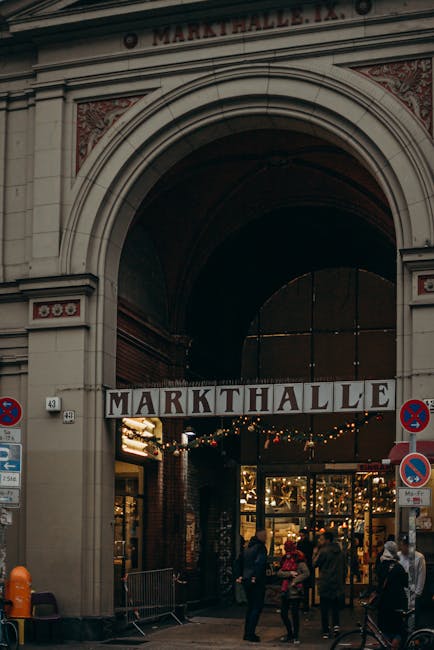
- Markthalle Neun (Street Food Thursday) — Eisenbahnstraße 42/43, 10997 Berlin. Hours: Street Food Thursday 17:00–22:00; weekend market hours vary. Price: currywurst stalls ~€4–€6. Why: multiple artisanal versions to compare in one place.
Sauce checklist:
- Glossy, not separated
- Noticeable acidity (light vinegar)
- Visible spices and creamy texture
3) Criterion 3 — Service and visible preparation (3 actions to watch for)
How the currywurst is prepared tells you a lot: cooking in front of you, visible hygiene, and correct portioning. Here are three actions you want to see to validate a stand.
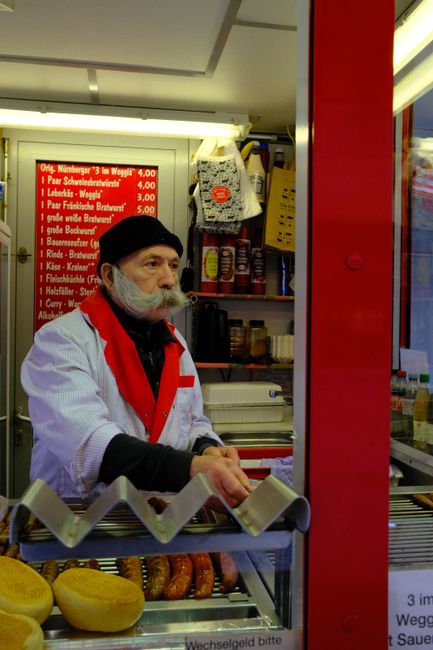
- Cooked to order — The vendor puts the sausage on the griddle or in the fryer when you order, not from a tray that’s been sitting warm for hours.
- Slicing and seasoning — A clean slice and a sprinkle of curry/spices in front of you show care. Avoid stands that reheat and sauce things in bulk.
- Visible hygiene — Clean counter, clean tongs, staff washing hands or wearing gloves. It’s a sign of freshness and safety.
Places to observe these actions:
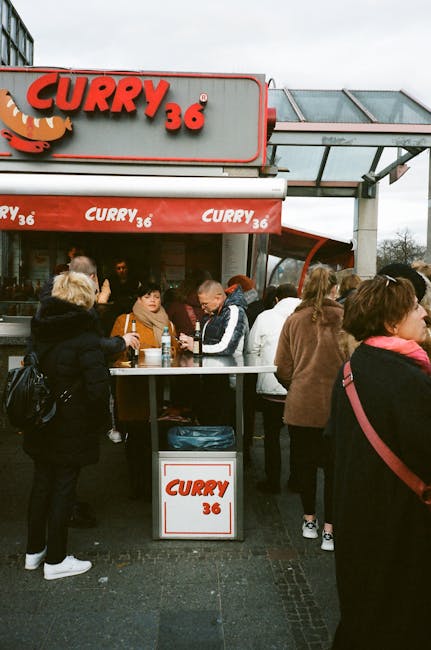
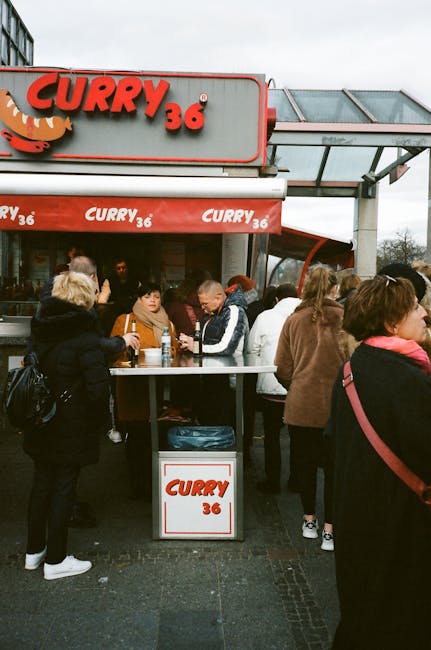
- Curry 36 (Mehringdamm 36) — visible preparation and slicing, a queue that indicates high turnover.
- Konnopke’s Imbiss (Schönhauser Allee 44b) — traditional griddle cooking, fast service with repeated, practiced motions.
Service checklist:
- Cooking on order
- Slicing and seasoning visible
- Clean counter and hygienic staff
4) Criterion 4 — Value for money by neighborhood (how to compare)
The price of a currywurst varies by location: pricier in Mitte and on Kurfürstendamm, cheaper in Kreuzberg or Prenzlauer Berg. But price alone isn’t enough: evaluate quality relative to the neighborhood.
- Compare price and portion — Note the displayed price and portion size: a €4.50 currywurst on Kurfürstendamm might be an organic, larger sausage while a €3.00 one in Kreuzberg should deliver solid flavor to be worth it.
- Calculate the « pleasure cost » — Ask: are you eating at a table or standing in the street? If you pay for seating, add €1–€2 for comfort.
- Try three nearby stands — Within an hour taste three currywursts at increasing price points and rate texture, sauce and service. Mentally photograph them to compare.
Number examples:
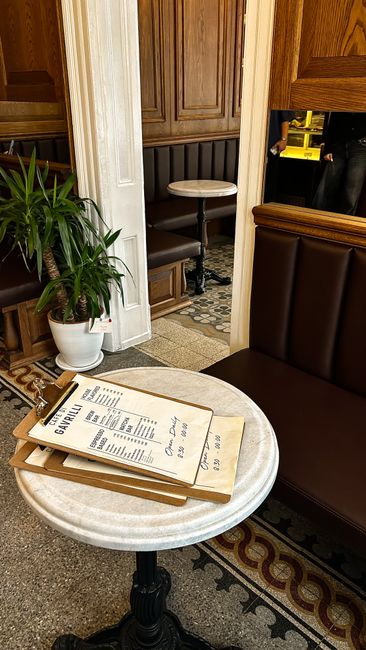
- Mitte (e.g. Witty’s Kurfürstendamm 224): ~€4.50 (organic, generous portion, sit-down service 10:00–20:00).
- Kreuzberg (e.g. Curry 36, Mehringdamm 36): ~€3.00–€3.50 (traditional format, usually to-go, open late).
- Prenzlauer Berg (e.g. Konnopke’s Imbiss Schönhauser Allee 44b): ~€3.10–€3.50 (classic East-style, 10:00–22:00).
Value checklist:
- Price matches portion and type (organic vs standard)
- High turnover = likely freshness
- Seating/comfort = +€1–€2 to consider
5) Criterion 5 — The local experience: vibe, queue and recommendations (how to decide)
Beyond taste, the full experience matters: the vibe, the queue and local recommendations often tell you whether a place is worth it. Knowledgeable Berliners frequent certain stands: a local line is often the best indicator.
- See who’s in line — Local workers and regulars at lunchtime are a good sign. Queues full of tourists (guided groups) often point to a tourist trap.
- Ask at the counter — Ask a simple question: « Which sausage do you recommend? » — a precise answer shows the vendor’s expertise.
- Look for repeat customers — If customers come back weekly, it’s usually a sign of consistent quality. Note local peak hours (12:00–13:30 and 20:00–02:00 in some neighborhoods).
Recommended testing spots:
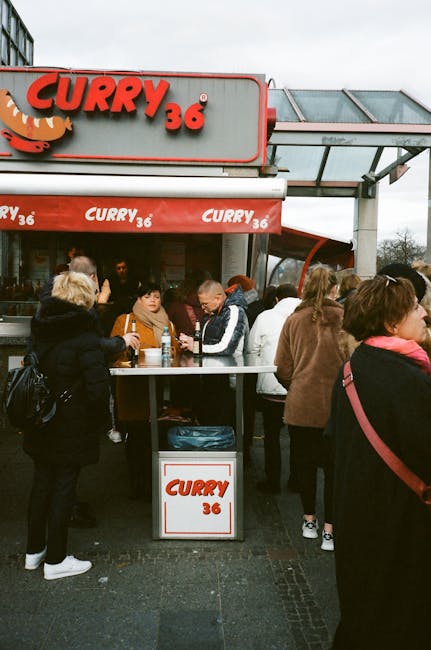
- Late-night: Curry 36 (Mehringdamm 36) — very busy at night, great for testing consistency.
- Lunch with locals: Konnopke’s Imbiss (Schönhauser Allee 44b) — regular lines at midday.
- Artisan market: Markthalle Neun (Eisenbahnstraße 42/43) on Thursdays — compare several artisanal sausages in one evening.
Local experience checklist:
- Queue of regulars
- Vendor who advises and explains
- Vibe matching the neighborhood (workers at lunch, partygoers at night)
Conclusion — Practical roadmap to find the best currywurst today
In short: to spot the best currywurst in Berlin, follow these 5 criteria in order. 1) Check the sausage (texture and cooking). 2) Evaluate the sauce (balance of acidity/sweetness, texture). 3) Observe preparation and hygiene (cooked to order, visible slicing). 4) Put price in context with the neighborhood and portion. 5) Factor in the local experience (regular queue, recommendations). Each criterion can be tested in a few minutes; together they give you a reliable on-site verdict.
Practical roadmap (15–90 minutes):
- Short route (15–30 min): Stop at Curry 36, Mehringdamm 36 — observe, taste, note price (~€3.00–€3.50) and hours (often late).
- Medium route (1–2 h): Add Konnopke’s Imbiss (Schönhauser Allee 44b) to compare cooking and sauce (~€3.10–€3.50, 10:00–22:00).
- Full route (2–4 h): Finish at Markthalle Neun (Eisenbahnstraße 42/43) on Street Food Thursday (17:00–22:00) to try 2–3 artisanal versions (€4–€6 each) and pick your favorite.
Final tips: favor peak-turnover hours (lunchtime or late at night) for freshness; bring cash; and mentally note three elements: sausage texture, sauce balance and stall cleanliness. With these tools and the addresses above, you’re ready to decide: where is the best currywurst? The answer belongs to your palate — but now you know exactly how to judge.