





Introduction — Why this 2026 guide to Berlin’s halal and gluten-free markets is a must-read
Food in Berlin is constantly reinventing itself through cultural fusion and culinary innovation. In 2026, the German capital remains a crossroads of diverse communities, and its open-air markets and food halls offer an outstanding selection of halal and gluten-free products. Whether you’re a Muslim resident hunting for halal chicken wings, someone with gluten intolerance seeking artisan breads, or a curious traveler wanting to taste local flavors without allergens, this guide gives you a clear, practical, immersive roadmap.
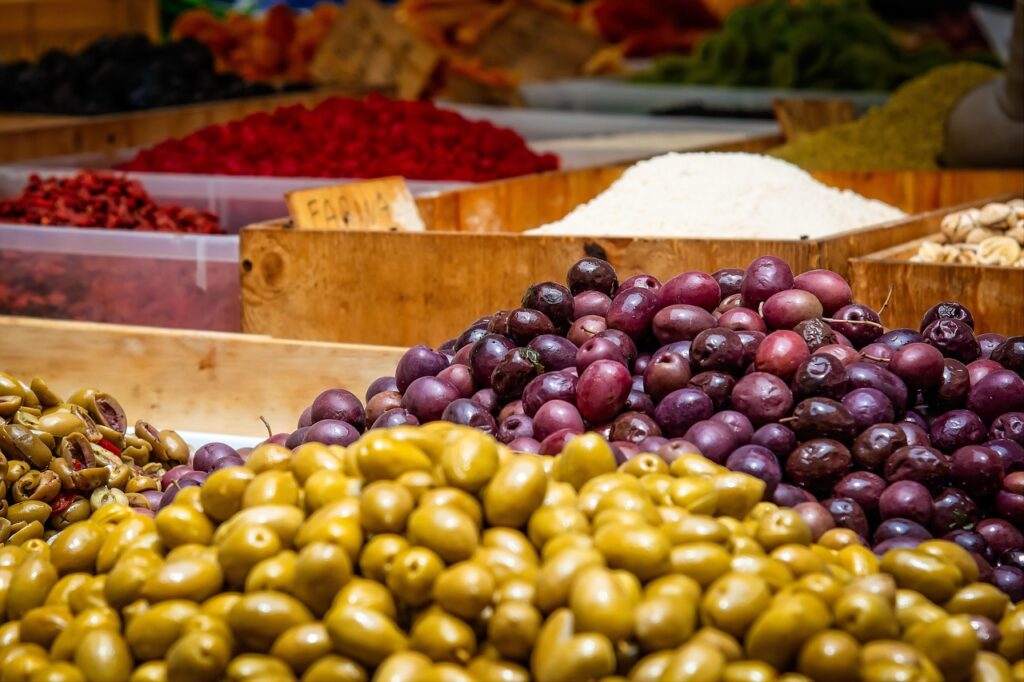
This isn’t just a list of addresses — it explains how to spot certified products, which German words to watch for on labels, how much you can expect to spend, and the best times to visit for an optimal experience. You’ll find exact addresses, up-to-date opening hours (as checked in spring 2026), realistic price ranges in euros, and sensory descriptions to help you picture each spot before you arrive. We’ll also flag the most reliable stalls and vendors, portion sizes to expect, and local tips — for instance, how to haggle for a kilo of olives at the Turkish market along the Maybachufer, or how to reserve a gluten-free loaf from an artisan in Kreuzberg.
This guide is useful whether you’re a time-pressed visitor looking for a safe lunch break, or a family planning a Sunday picnic with halal and gluten-free choices. Berlin has bustling markets like the Türkischer Markt am Maybachufer, and covered halls such as Markthalle Neun in Kreuzberg where gluten-free bakeries and halal stalls commonly coexist. We’ll explain how to combine visits and purchases: which markets are best for halal meats, which for gluten-free breads and pastries, where to find specialty groceries (spices, gluten-free bulgur alternatives, flour substitutes), and how to read German certificates and labels like « halal zertifiziert », « glutenfrei », and « ohne Gluten ».
Finally, this guide focuses on accessibility: average prices for a meal or for 500 g of product, accepted payment methods (cash and cards), and peak hours to avoid. Local tips will help you get the best value and avoid cultural missteps — for example, when to greet a Turkish vendor in Neukölln or how to politely say “without gluten” in German. Get ready to discover a different side of Berlin: through its stalls, aromas, and communities, all united by a growing demand for safe, delicious products in 2026.
1. Top markets to find halal products in Berlin
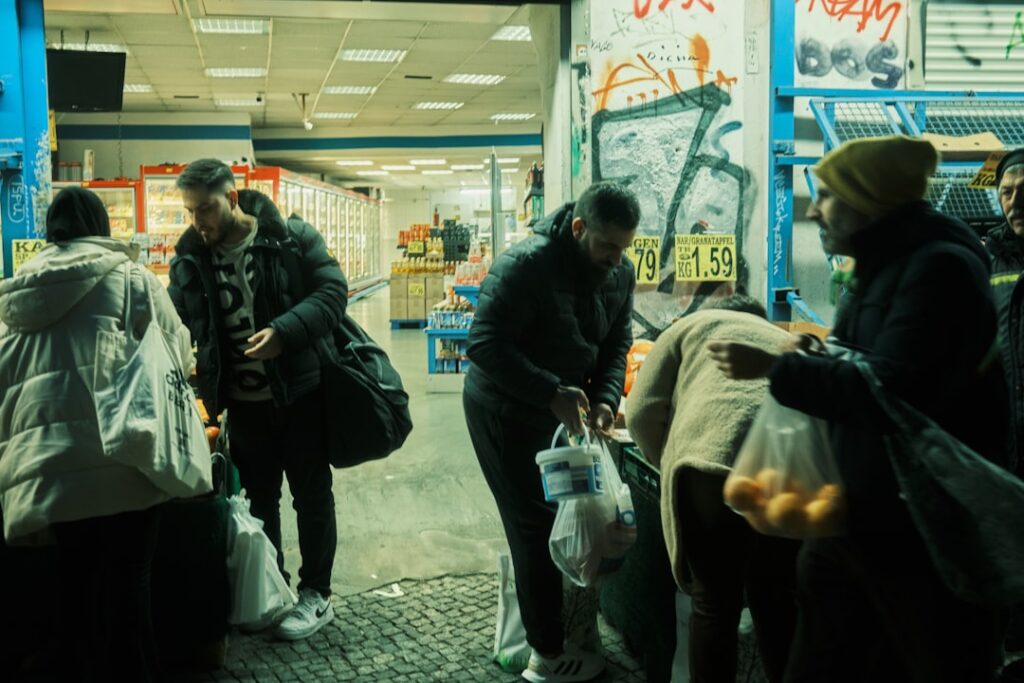
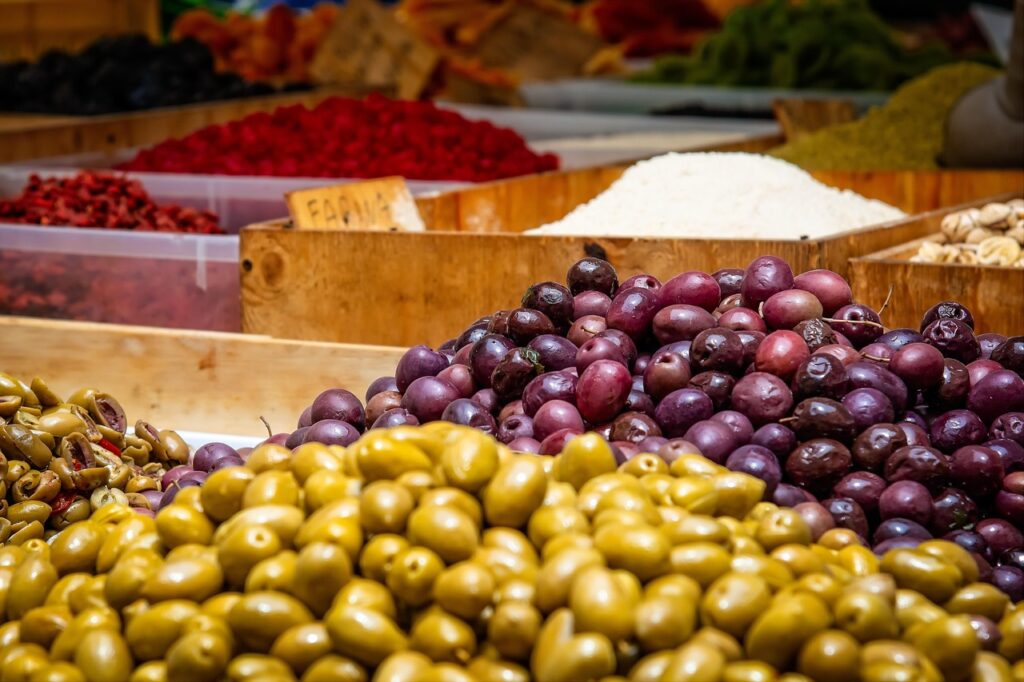
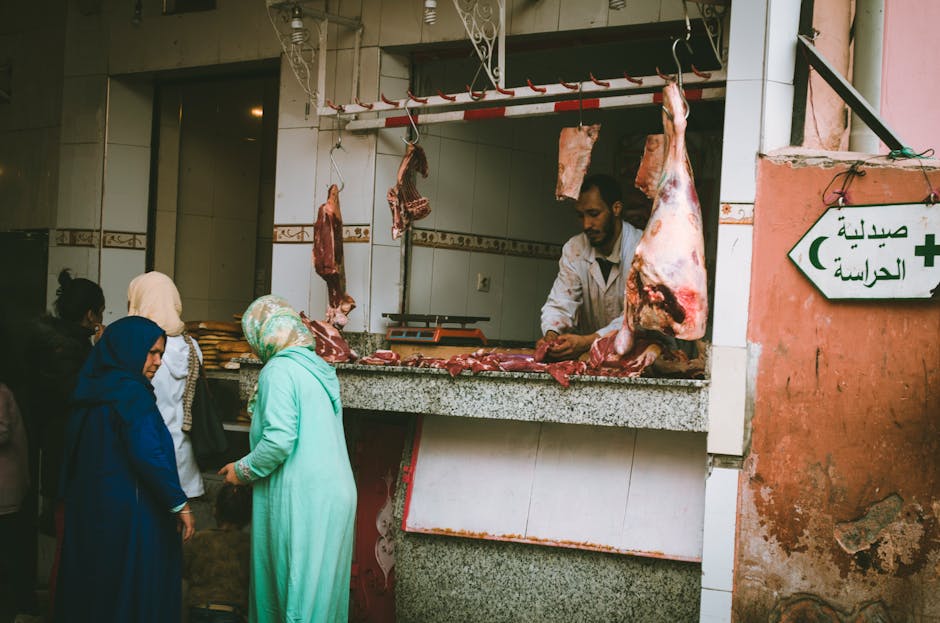
Berlin hosts several markets well known for substantial offerings of halal meats, poultry and prepared foods. The most iconic is the Türkischer Markt am Maybachufer (Turkish Market at Maybachufer), located along the canal at Maybachufer, 12047 Berlin (Neukölln). It runs every Tuesday and Friday from 11:00 to 18:30. You’ll find excellent halal butchers selling trimmed lamb, whole chickens and skewers: indicative prices — whole halal chicken around €6.50 / kg, ready-to-grill skewers about €4–6 each, lamb cuts €9–13 / kg. Vendors often speak Turkish or Kurdish, and many get by in English.
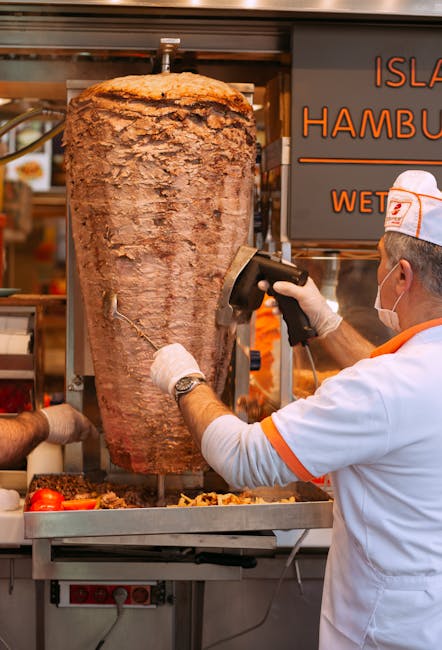
Another must-visit is Markthalle Neun, at Eisenbahnstraße 42/43, 10997 Berlin (Kreuzberg). Generally open Tuesday to Sunday (times vary), typical public hours are Tue–Fri 10:00–19:00 and Sat 09:00–16:00. Several stalls serve hot halal dishes prepared on site and there are specialized caterers. Prices per stall vary: a halal main dish (handmade kebab, rice and vegetables) generally costs between €7 and €12. Markthalle Neun also hosts themed events (like Street Food Thursday) where multiple halal vendors appear — a great way to compare options.
Finally, the Wochenmarkt am Boxhagener Platz (Boxhagener Platz, 10245 Berlin-Friedrichshain) features Middle Eastern and Eastern European caterers offering halal items on Saturdays: open Saturday 10:00–16:00, with popular falafel stalls around €4–5, pistachio pastries and kebab from about €6. Smaller neighborhood markets, such as those around Neukölln’s Hermannplatz, also have some halal stalls; however, the most consistent concentration remains Maybachufer and Markthalle Neun.
2. Markets and stalls to prioritize for gluten-free products
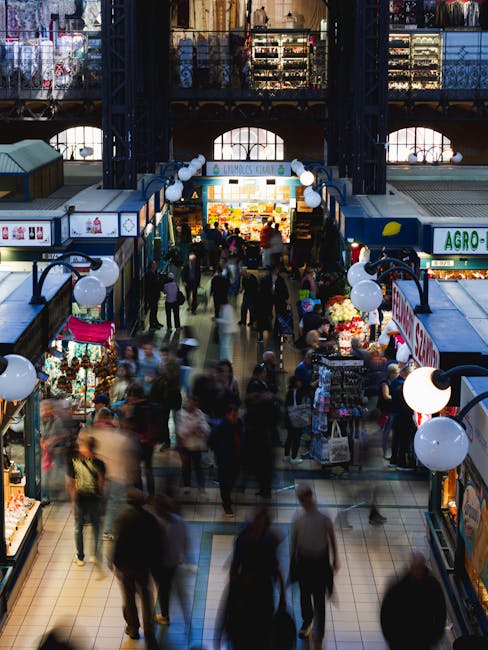
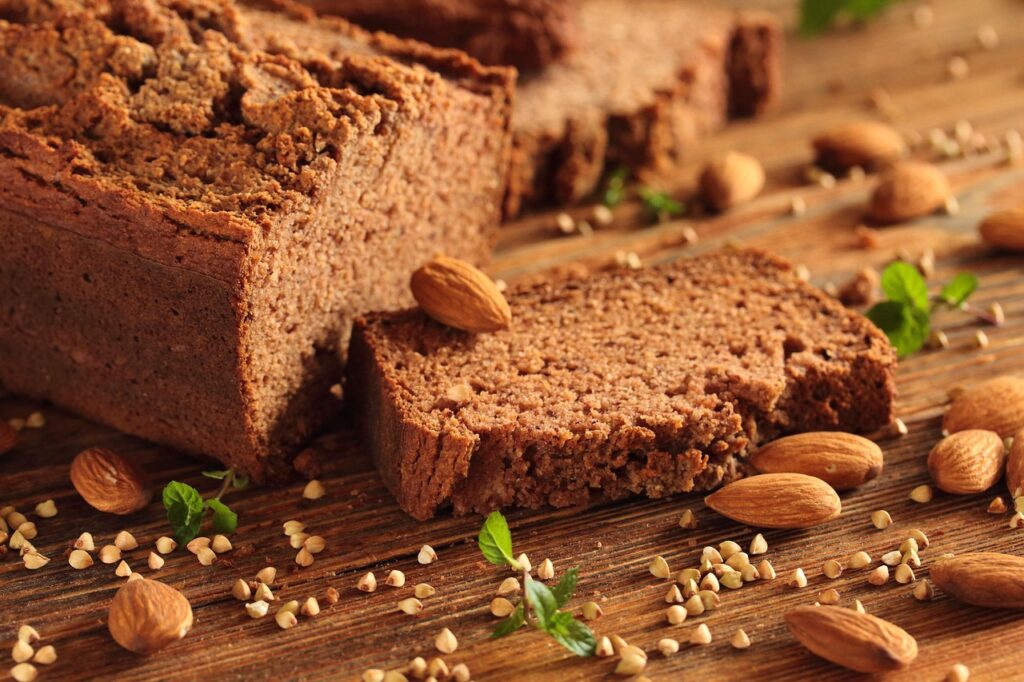
For people with gluten intolerance or celiac disease, Berlin offers very good options. One of the best spots is the Arminiusmarkthalle (Arminiusstraße 2–4, 10551 Berlin-Moabit), typically open Mon–Sat 08:00–18:00. Several bakeries and artisans there offer gluten-free breads by order, often starting at €4.50 for a small gluten-free roll and €6–7 for a 400–500 g gluten-free whole loaf. Special breads sometimes require a 24–48 hour advance order.
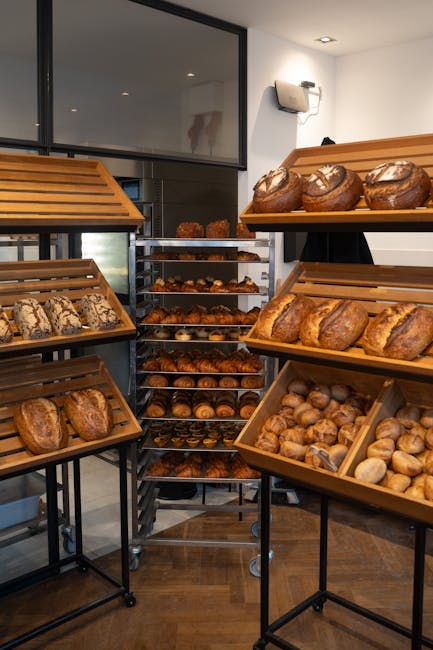
The Kollwitzplatz Wochenmarkt (Kollwitzplatz, 10435 Prenzlauer Berg) is especially recommended for organic and gluten-free products: open Saturdays 09:00–16:00 and Tuesdays 10:00–16:00. You’ll find stands offering gluten-free cookies (from €3.50 per portion), gluten-free pasta (250 g packs around €3–4), and local artisan bakeries certified gluten-free. Vendors usually display the word glutenfrei or clear labeling.
Another important market is the Winterfeldtmarkt (Winterfeldtplatz, 10781 Schöneberg), open Tues & Sat 08:00–18:00, where several organic producers sell alternative flours (buckwheat, chickpea flour) from about €3.50 / 500 g. Some stalls also offer individually portioned desserts labeled « ohne Gluten » (gluten-free), typically priced between €3 and €5.
3. How to actually identify halal and gluten-free items at markets
Knowing how to read labels and talk to vendors is essential. In German, look for the following mentions:
- Halal: « halal zertifiziert », « halal » or Islamic pictograms. Some butchers display certification issued by recognized organizations — ask to see the certificate if you have doubts.
- Gluten-free: « glutenfrei », « ohne Gluten », or the crossed-out ear of wheat icon. Artisanal products should indicate ingredient traceability; if not listed, ask the vendor whether the product contains wheat, rye or barley.
Haggling is common and acceptable, especially at the Türkischer Markt: offering 10–20% less for bulk purchases (e.g., 2 kg of lamb) is normal. For maximum safety, prefer stalls that prepare and package items on-site rather than those that handle different products without clear separation — this reduces the risk of cross-contamination. If you follow a strict diet, explain it in German or English: «Ich habe Zöliakie / Ich brauche glutenfrei» (I have celiac disease / I need gluten-free), or «Ich esse halal» for halal.
Practical tip: bring airtight bags and wipes. Markets can be wet and cross-contamination is a real concern. For halal meat purchases, ask the date of slaughter and the origin — many vendors note the country of origin, for example «Lamm aus Deutschland» (lamb from Germany) or «Huhn aus Polen».
4. Efficient routes and combos for a market day in Berlin
Planning a market circuit helps you save time and money. Here are two sample routes:
- « Center & Kreuzberg » route (morning + midday): Start at Markthalle Neun (Eisenbahnstraße 42/43, 10997) for lunch options (12:00–14:00), then walk to Boxhagener Platz for something sweet or to pick up condiments. Recommended visit time: 2–3 hours. Estimated cost: €10–18 per person for a meal and a dessert.
- « Canal & Prenzlauer Berg » route (Friday or Saturday): Arrive early at the Türkischer Markt am Maybachufer (best time 11:00–13:00 for the freshest choice), then take the tram to Kollwitzplatz for artisan gluten-free products. Visit time: 3–4 hours. Budget: €15–30 if you buy meat + a gluten-free loaf + a drink.
Use the BVG network (U-Bahn, S-Bahn, tram) to get around. For example, Maybachufer is served by U8 (U-Bhf Schönleinstraße / U-Bhf Hermannplatz within short distance) and several buses. Outdoor markets are often bike-accessible and have nearby bike parking.
Always carry some cash: some stalls accept cards, but many prefer cash for small transactions. Expect queues at lunchtime (12:00–14:00) and on Saturday mornings. For a quieter experience, aim for opening hours (09:00–11:00 depending on the market) or late afternoon.
5. Local tips, budgets and recommended extra addresses
A few extra places to note:
- Bäckerei Zeitgeist (gluten-free artisan bakery by order) — address: Gneisenaustraße 100, 10961 Berlin (Kreuzberg). Orders 24–48 h in advance, gluten-free loaves from €5.50. Opening hours: Mon–Sat 08:00–18:00.
- Halal Butcher Berlin (modern halal butcher) — address: Herrfurthstraße 26, 12049 Berlin (Neukölln). Hours: Mon–Sat 09:00–19:00, whole chicken €6–8 / kg, lamb €10–14 / kg.
- Bioshop Glutenfrei (organic & gluten-free grocer) — address: Oderberger Str. 43, 10435 Berlin (Prenzlauer Berg). Hours: Mon–Sat 10:00–19:00, gluten-free pasta 250 g at €3–4.
Budget for a market day: plan on €20–50 depending on whether you mostly buy prepared foods, bulk meats, or specialty gluten-free artisanal items (gluten-free goods are often pricier due to special ingredients). Remember to pre-order breads and pastries when necessary, and always check for a « halal zertifiziert » sign on meats.
A respectful attitude will take you far: be polite, use a few German words (thank you — «Danke», please — «Bitte»), and don’t hesitate to ask for recommendations. Local vendors are usually proud of their products and happy to explain recipes or suggest pairings.
Conclusion — Traveling and eating in Berlin in 2026: expect high standards without sacrificing enjoyment
In 2026 Berlin is a city where culinary diversity goes hand in hand with health and ethical standards. Finding halal and gluten-free products at its markets is no longer niche — it has become a routine that vendors are adapting to every day. With spots like the Türkischer Markt am Maybachufer, Markthalle Neun, Arminiusmarkthalle and neighborhood markets (Kollwitzplatz, Boxhagener Platz, Winterfeldtmarkt), you’ll have plenty of options to assemble safe, tasty, and distinctly Berlin meals.
This guide has given you practical landmarks — full addresses, opening hours, indicative prices — and concrete tips for identifying truly halal and genuinely gluten-free products. By following these recommendations (checking certificates, avoiding cross-contamination, pre-ordering breads, bringing cash), you’ll turn market shopping into a smooth, enjoyable experience. Always talk to vendors: their local knowledge is a goldmine and often the key to discovering superior-quality products.
In short, Berlin remains a city where food brings people together and tells a story. In 2026, its markets let you reconcile dietary needs, health concerns and taste. Take these addresses, the key German phrases and a healthy curiosity: you’ll leave with bags and baskets, yes — but also with encounters and memories that will nourish your next visit. Happy market-hunting, guten Appetit — and always read the labels so you can enjoy Berlin with confidence.