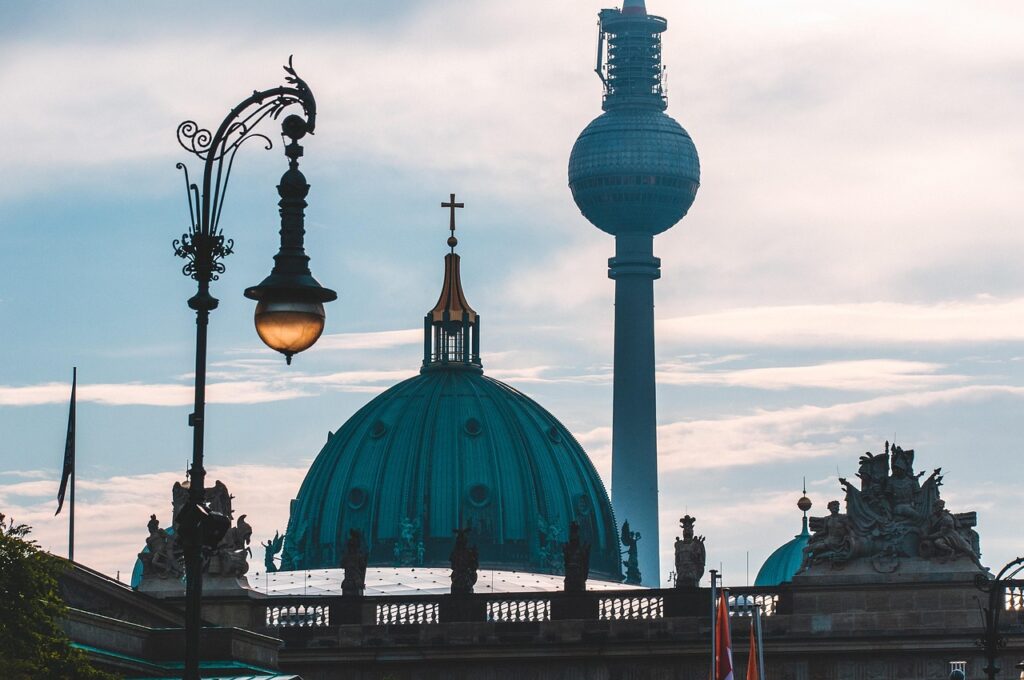






Introduction — Why Berlin’s markets are a must for foodies
Berlin is a city in constant motion, where history mixes with contemporary creativity and the food scene mirrors that blend. For food lovers, Berlin’s markets are often the city’s best flavor lab: you’ll find Turkish and European specialties, German organic produce, innovative street-food stalls, artisanal cheeses, and old-school bakeries turning out perfectly baked loaves. Markets are more than places to buy ingredients — they’re social hubs, hangouts for local chefs, discovery zones for visitors, and shop windows for regional producers.
This article is a hands-on, immersive guide to the Berlin markets foodies shouldn’t miss. You’ll find full place names, exact addresses, typical opening hours, price ranges to help you plan, sensory descriptions — smells, textures, vibes — and practical local tips (best days/times, payment tips, stands not to miss). Whether you’re hunting for an artisanal breakfast spot, an organic market to stock up on local goods, or an afternoon of creative street food, this guide covers a representative selection of markets that define Berlin’s culinary reputation.
Markets in Berlin vary widely by neighborhood: Kreuzberg and Neukölln offer a multicultural street-market scene; Prenzlauer Berg has upmarket organic markets and terroir products; Schöneberg and Moabit preserve more traditional market halls perfect for classic German specialties. As you read this guide, think about your appetite — and your curiosity. Portions can be generous at some stalls, modest at others. The price ranges below are practical estimates based on local experience: a döner typically costs around €3.50–5.00, a creative street-food portion €6–10, an artisan loaf €3–5, and a cheese board €8–15 depending on selection. Markets increasingly accept cards (EC/Maestro, Visa/MasterCard), but it’s wise to carry some cash for small snacks, mobile vendors and independent stalls.
One practical heads-up: opening hours can change with the seasons, public holidays and special events (night markets, food festivals, « Street Food auf dem RAW-Gelände » in summer, etc.). The times and locations listed here are general guidelines; check the market’s official website or Facebook page before you go.
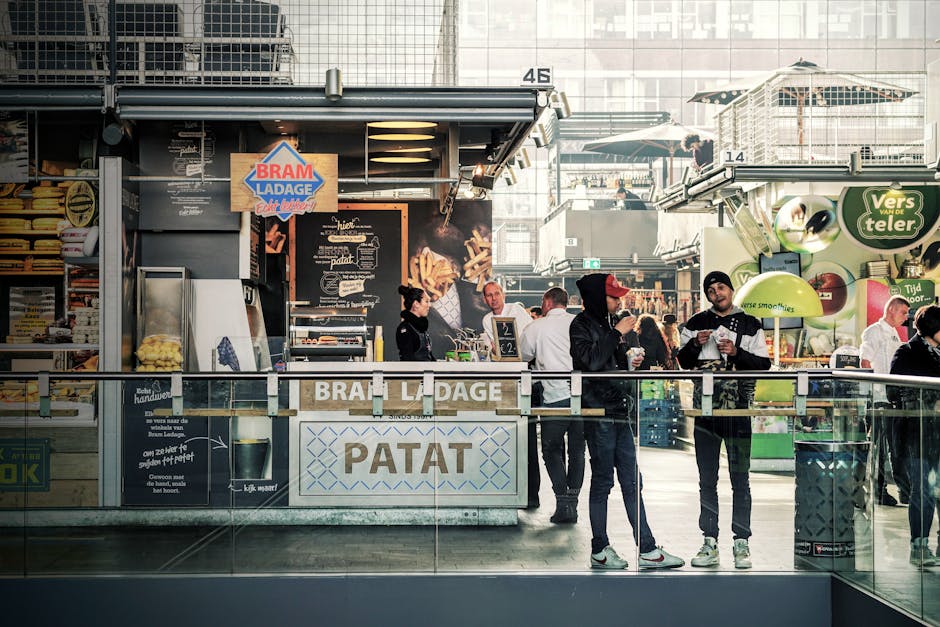
Markthalle Neun (Kreuzberg) — The iconic hall for street food and artisanal produce
Address: Markthalle Neun, Eisenbahnstraße 42/43, 10997 Berlin (Kreuzberg). This historic indoor market, renovated and lively, has become a go-to spot for foodies seeking quality, creativity and a friendly vibe.
Typical hours:
- Daily market (selection of fixed stalls): Tuesday–Friday 9:00–18:00, Saturday 9:00–16:00.
- Street Food Thursday: Thursday 17:00–22:00 (a very busy weekly event).
- Special events (brunches, themed markets): check the official site for dates.
Price guide: drip coffee €2.50–3.50, artisan sandwich €4–7, creative street-food portion €6–10, cold cuts/cheese platter €10–18 (depending on size).
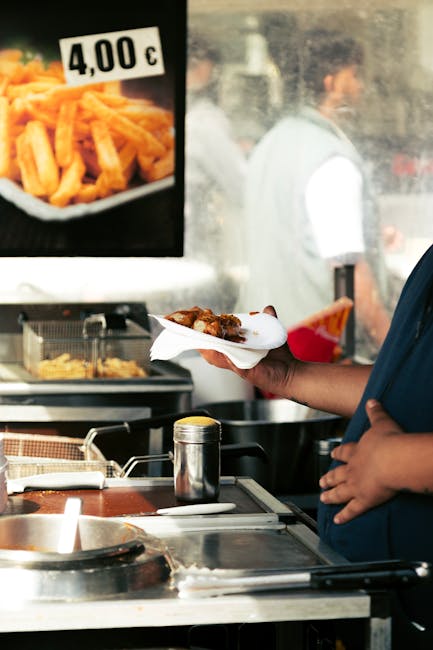
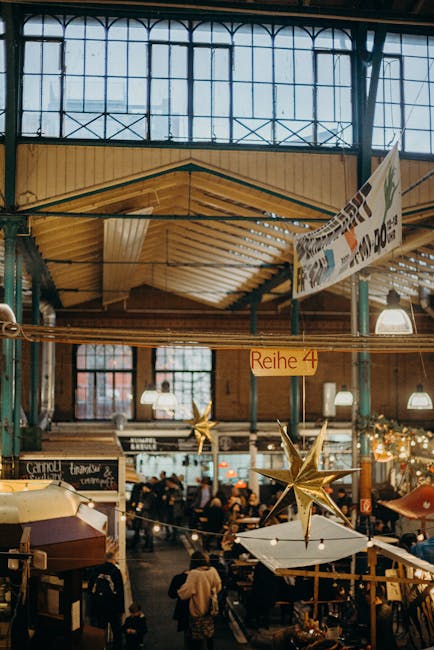
Immersive description: when you step into Markthalle Neun you first notice the warmth of the wood and the market’s metal framework, then the flow of multilingual conversations. The smell of freshly baked bread mingles with roasted spices and melted cheese. Lined up in rows are artisan bakeries, butchers, fishmongers, organic produce stalls and coffee bars. On Thursday evenings the hall transforms: lights soften, live music or carefully curated playlists create a party atmosphere, and visitors queue for modern tacos, reinvented baos and creative takes on German classics. It’s a perfect spot to taste Berlin’s emerging food scene without compromising on product quality.
Local tips:
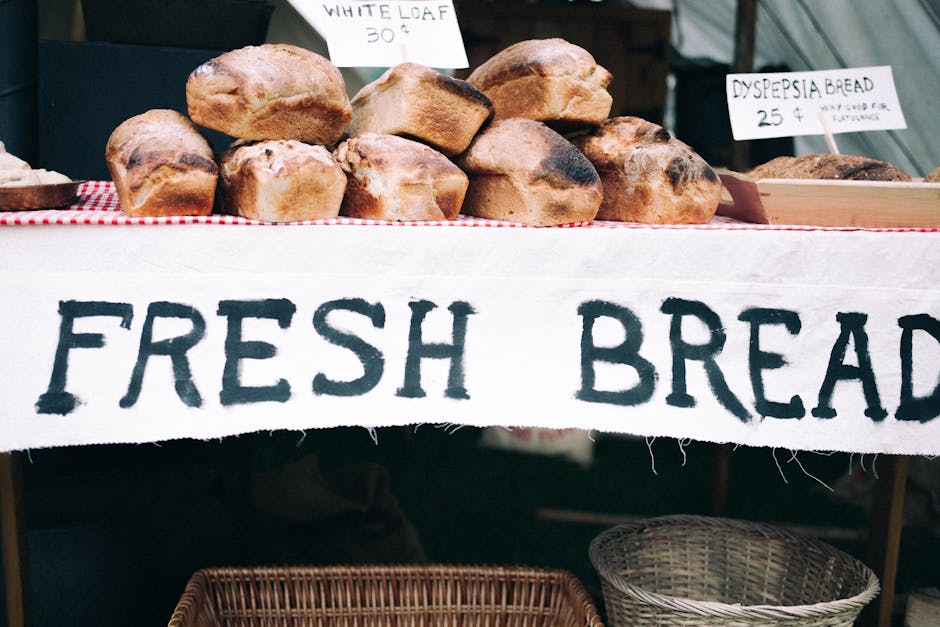
- Get there early on Saturday to avoid the crowds if you’re after popular artisan bread (often sold out after 11:00).
- Street Food Thursday draws big crowds; aim for 17:00–19:00 to cut down waiting time.
- Most stalls take cards, but some small producers prefer cash.
- Try the regional cold cuts stand and the specialty counter — you’ll often find aged German cheeses there.
Maybachufer Turkish Market (Neukölln) — Color, spices and riverside Turkish street food
Address: Maybachufer (between Kottbusser Damm and Glogauer Straße), 12047 Berlin (Neukölln). Often called the « Turkish Market at Maybachufer, » this riverside market is famous for its vegetables, spices, grilled fish and authentic Turkish snacks.
Typical hours: Tuesday and Friday 11:00–18:00 (sometimes until 19:00 in summer). The market runs along the canal and creates a very photogenic, bustling atmosphere.
Price guide: tomatoes and peppers (per kg) €1.50–3.00, olives and mezzes €3–6 per container, gözleme (filled flatbread) €3–5, simit portions €1–2, kebab/döner €3.50–5. Bulk herbs and spices sold loose can cost €2–6 per small bag depending on rarity.
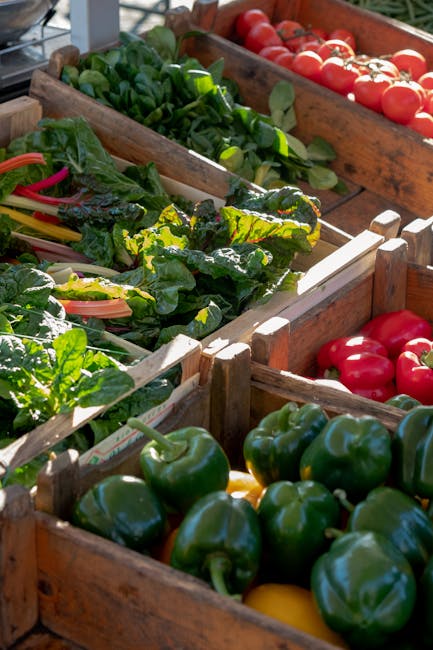
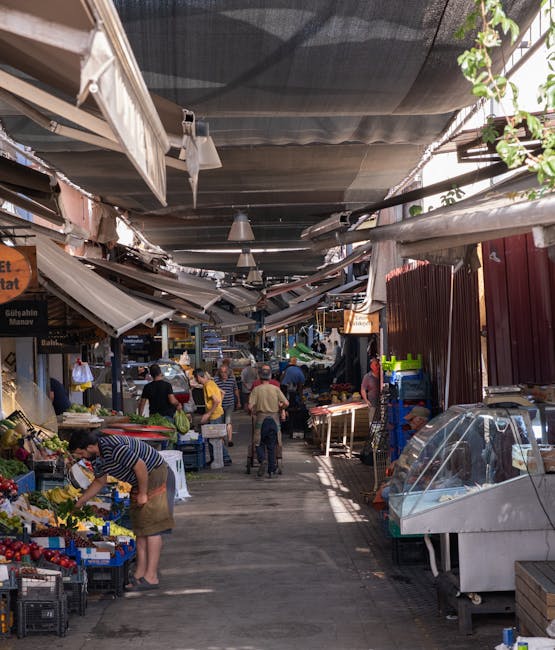
Immersive description: walking along the canal you’re hit by an explosion of color: piles of red peppers, bunches of fresh herbs, orange spice mounds and stalls overflowing with olives and white cheeses. Sellers call out warmly in Turkish and German. The flavors are direct and authentic: flatbreads straight from the oven, charcoal-grilled fish, flaky böreks and kebabs made in front of you. The proximity to the water adds a welcome cooling breeze in summer, and public benches invite you to sit and share plates with a canal view.
Local tips:
- Arrive mid-morning for the best selection of vegetables and spices.
- Bring cash for small purchases; some stalls accept cards but not all.
- If you want a hearty budget meal, choose a mixed plate (grill + mezzes) to share between two people for €8–12.
- The market is busiest in summer; for photos, aim for morning or late-afternoon light.
Winterfeldtmarkt and Marheinekeplatz (Schöneberg & Kreuzberg) — The best neighborhood markets for fresh produce and local snacks
Winterfeldtmarkt
Address: Winterfeldtplatz, 10781 Berlin (Schöneberg). A renowned Sunday market known for quality, a warm atmosphere and a wide variety of stalls (cheese, bread, charcuterie, flowers, international specialties).
Typical hours: Sunday 8:00–16:00. Peak time: 10:00–13:00.
Price guide: cheese platter €8–15, artisan loaf €3–5, fresh juice €2.50–4, falafel pita €4–6.
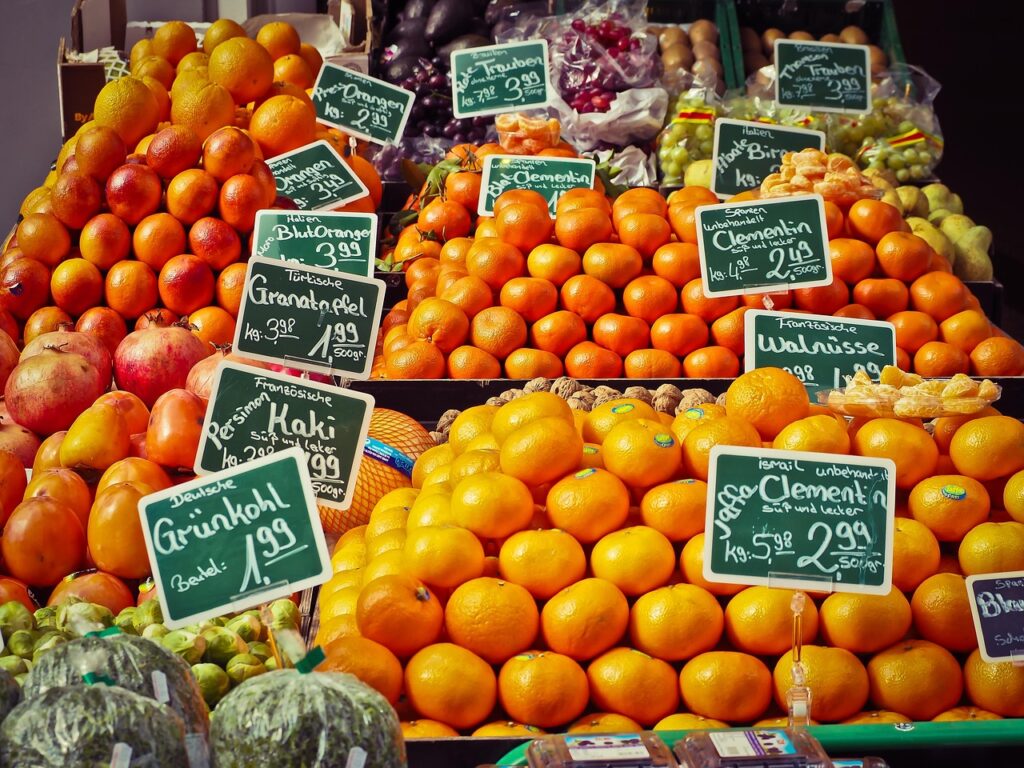
Immersive description: Winterfeldtmarkt, set on a tree-lined square, feels like a village market in the middle of the city. Families come for artisan bread and aged cheeses, but you’ll also find Greek, Italian and Middle Eastern specialties. Bright flower stalls are irresistible for photos, and nearby cafés provide seating for an impromptu brunch. The market attracts locals, chefs and expats alike, making it a great place to discover high-quality items that can be hard to find elsewhere.
Marheinekeplatz
Address: Marheinekeplatz, 10961 Berlin (Kreuzberg). This market on the square near Markthalle Neun is famous for Mediterranean products, fresh herbs and fish and meat stalls.
Typical hours: Thursday 8:00–18:00 and Saturday 8:00–16:00.
Price guide: fresh fish (portion) €6–12, olives and mezzes €3–7, pancakes and snacks €2–5.
Immersive description: Marheinekeplatz buzzes with vendors calling out, customers bargaining for bundles of vegetables and stalls piled high. The vibe is more product-focused than festive, but quality is often impeccable. For foodies, it’s ideal for finding regional fish, homemade preserves and small-batch olive oils. Vendors frequently offer samples — don’t be shy to taste before you buy.
Local tips:
- Saturday morning is the best time at Marheinekeplatz if you’re searching for rare local ingredients.
- At Winterfeldtmarkt, go in the morning to avoid crowds and get the best selection.
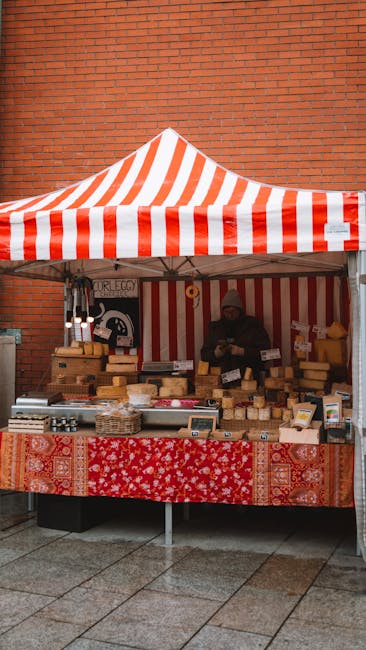
- If buying cheese or charcuterie, ask for it to be sliced for immediate eating — often offered for €3–6.
Kollwitzplatz and Arminiusmarkthalle — Organic produce, terroir goods and historic halls
Kollwitzplatz (Prenzlauer Berg)
Address: Kollwitzplatz, 10435 Berlin (Prenzlauer Berg). A weekly market focused on organic and terroir products — popular with families and neighborhood residents.
Typical hours: Saturday 8:00–16:00 (sometimes Wednesday morning depending on the season).
Price guide: organic vegetables (per kg) €3–6, organic eggs (6) €3.50–6, organic breads €3–6, savory tarts €3–6.
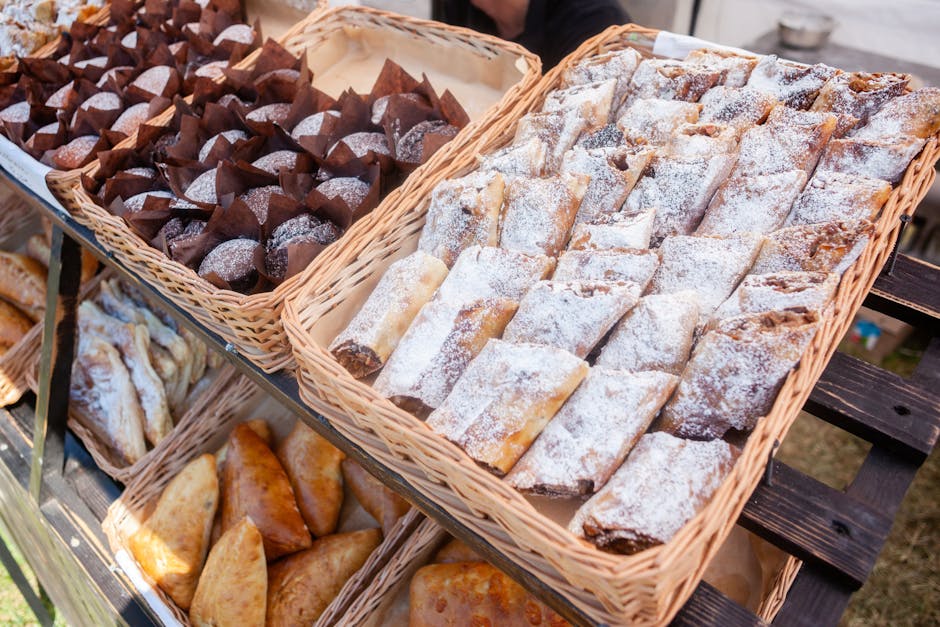
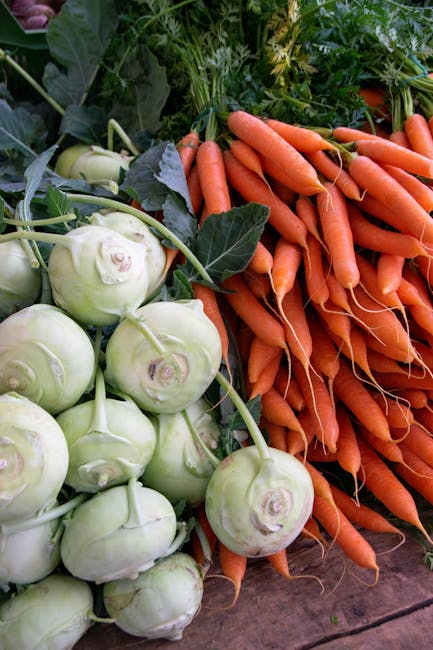
Immersive description: Kollwitzplatz has a tidy aesthetic: white tablecloths, simply dressed producers, clear labels and welcoming smiles. Most products are organic, often from nearby farms or local artisans. The market is perfect for assembling a high-quality picnic: sourdough loaves, homemade olives, artisan sausages and organic pastries. The vibe is relaxed and family-friendly, with groups lingering at coffee stands over fresh viennoiseries.
Arminiusmarkthalle (Moabit)
Address: Arminiusstraße 2–4, 10551 Berlin (Moabit). A historic market hall built in the late 19th century, Arminiusmarkthalle today blends traditional stalls with modern cafés.
Typical hours: generally Monday–Saturday 8:00–20:00 (varies by vendor; some open later on weekends).
Price guide: artisan sandwiches €4–7, coffees €2–4, smoked salmon portions €5–10.
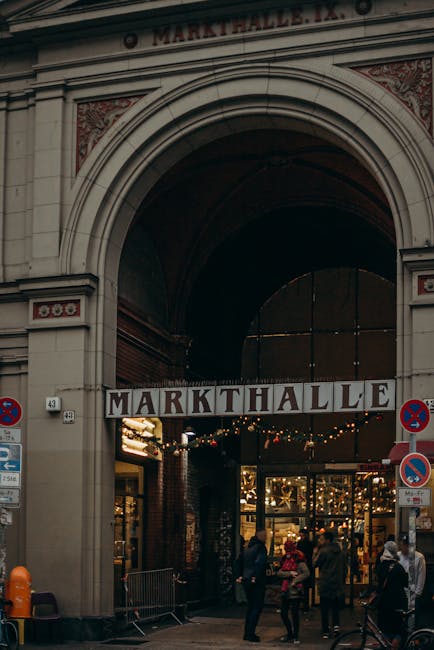
Immersive description: the hall’s architecture — arches, stained glass and pilasters — gives a nearly solemn sense of space. Stalls offer classic German specialties alongside international touches: smoked fish, sourdough breads, delicate pastries and coffees from local roasters. It’s a great option for a covered market experience, especially on wet or cold days.
Local tips:
- For Kollwitzplatz, bring an insulated bag if you’re buying dairy or charcuterie to take home.
- At Arminiusmarkthalle, check individual stall hours — some artisans close earlier than the hall.
- If you have time, buy a small spread (bread + cheese + charcuterie) and sit in the indoor café to enjoy the architecture.
Boxhagener Platz and « Boxi » (Friedrichshain) — Trendy snacks and weekend brunches
Address: Boxhagener Platz, 10245 Berlin (Friedrichshain). Boxi (the local nickname for Boxhagener Platz) is popular for weekend markets mixing flea stalls, food vendors and small eateries.
Typical hours: Saturday 9:00–17:00 (flea market + food), Sunday smaller market focused on food and families.
Price guide: on-site brunches €6–12, falafel sandwich €4–6, sweet pancakes €2–4.
Immersive description: Boxhagener is perfect for a casual brunch followed by a stroll through the nearby streets. Food trucks and stalls serve quick but often inventive dishes: avocado toasts topped with local cheese, healthy bowls, and fresh pastries. The vibe is young, loud and friendly; groups gather around small outdoor tables and share plates. In summer, live music and DJs often fill the afternoon.
Local tips:
- Boxhagener gets packed late morning — arrive before noon for a quieter experience.
- Portions are often meant to be shared; if you’re in a couple or small group, order several small plates to sample more.
- Bring a refillable water bottle — artisanal drink vendors often offer discounted refills.
Practical tips for getting the most out of Berlin’s markets
Before wrapping up this tour, here’s a concise list of practical tips and best practices to help you make the most of Berlin’s markets:
- Hours: always check opening times online before you head out. Many markets have seasonal hours and close earlier in winter.
- Payment: although more stalls accept cards, carry €10–30 in cash for small purchases and independent vendors.
- Getting there: most markets listed are easy to reach by U-Bahn/S-Bahn or bike. Markthalle Neun (Görlitzer Bahnhof / Schlesisches Tor), Maybachufer (Schönleinstr. / U8 Kottbusser Tor nearby), Kollwitzplatz (Eberswalder Straße / U2).
- Reservations: for some events (e.g. special brunches, tasting workshops) you may need to book in advance.
- Seasonality: favor seasonal produce — asparagus in spring, squashes in autumn, berries in summer — for the best flavors.
- Local etiquette: Berlin isn’t a place for aggressive haggling like some Mediterranean markets. A smile and politeness work better than hard bargaining.
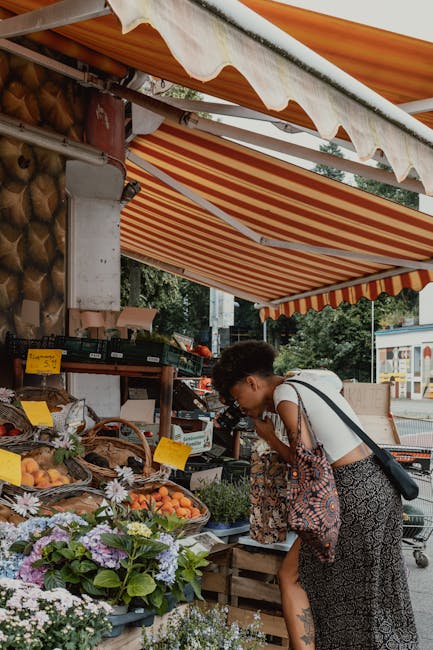
- Bags and packaging: bring a reusable bag and a cooler if you’re buying perishables. Markets are reducing plastic use, so reusable containers are appreciated.
Conclusion — A living sensory map for food lovers
Berlin’s markets form a mosaic of food cultures and local identities. Whether you’re after bold street eats, a crusty sourdough loaf, exotic spices by the canal or a cheese board aged by an artisan, Berlin offers a rare and accessible diversity. Each market has its own personality: Markthalle Neun for creative, contemporary energy; Maybachufer for authentic Turkish flavors and spices; Winterfeldtmarkt and Marheinekeplatz for top-quality produce and Mediterranean goods; Kollwitzplatz for organic terroir products; Arminiusmarkthalle for the elegance of a historic market hall; and Boxhagener for relaxed weekend brunches and a youthful scene.
As a foodie, approaching these markets with curiosity and openness is the best strategy: taste widely, share plates, ask vendors for recommendations (they love talking about their products), and let your nose and eyes lead the way. Don’t forget to support small producers — buying directly from a cheesemonger, farmer or local baker is a tangible way to help sustain the city’s culinary life.
Finally, keep in mind that Berlin changes quickly: new stalls pop up, chefs launch pop-ups and seasonal markets bloom. This guide gives you a solid starting point for exploring the essentials, but the best discoveries often come from a side street, a new food truck or a reopened hall. Take your time, follow your senses, and treat each market as an invitation to discover Berlin differently — through stories, recipes and passionate people.