





Berlin Markets for Vegetarians: Where to Find Local, Seasonal Produce
Introduction
Berlin is a city of markets, diverse food communities and culinary creativity that vegetarian eaters love. This guide is aimed at anyone wanting to explore Berlin’s markets to find local produce, follow the seasons and cook fresh, flavorful dishes with quality ingredients. Whether you live here long-term, are a curious visitor or a food-minded traveler, this piece gives you practical mapping, exact addresses, opening times, price ranges and tips to make the most of the stalls year-round.
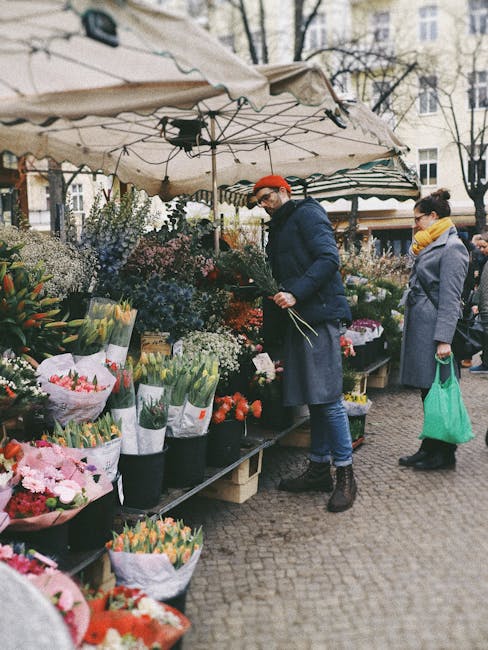
Markets in Berlin range from large covered halls to neighborhood outdoor markets, and include Turkish and organic markets that overflow with vegetables, fruit, vegetarian-friendly dairy, artisan breads and processed products like tofu, tempeh, preserves and kraut. Seasonality is respected here: white asparagus (Spargel) is celebrated every spring, strawberries arrive in June, wild mushrooms rule the autumn and kale (Grünkohl) becomes a winter star. Knowing when and where to buy can be the difference between an okay salad and a memorable dish.
This guide focuses on emblematic Berlin markets: Markthalle Neun, Winterfeldtmarkt, the Turkish Market at Maybachufer, Arminiusmarkthalle, Boxhagener Platz Market, Kollwitzplatz Wochenmarkt and other local markets. For each spot you’ll find exact addresses, regular hours, immersive stall descriptions, example price ranges in euros for common vegetarian items (fruits, vegetables, breads, cheeses, eggs for ovo-lacto vegetarians, fermented products, tofu), plus practical tips: how to spot a good producer, how to store your purchases and how to use seasonal produce. We’ll also highlight ready-to-eat options for a quick market lunch — falafel, savory crepes, vegetable soups, vegetarian tarts — with price ranges and recommendations.
Before diving into the markets, a few practical notes: most neighborhood markets now accept cards (EC/Maestro, Visa, Apple Pay), but some small-producer stalls still prefer cash — so always carry a few notes. The hours given are general; on public holidays or during special events (festivals, strikes, seasonal markets) it’s best to check online. Finally, respect the producers: ask if items are grown locally, organic or farmed traditionally, and don’t hesitate to ask about fertilizer, varieties and recommended culinary uses.
1) Overview of Berlin Markets for Vegetarians — where to go and why
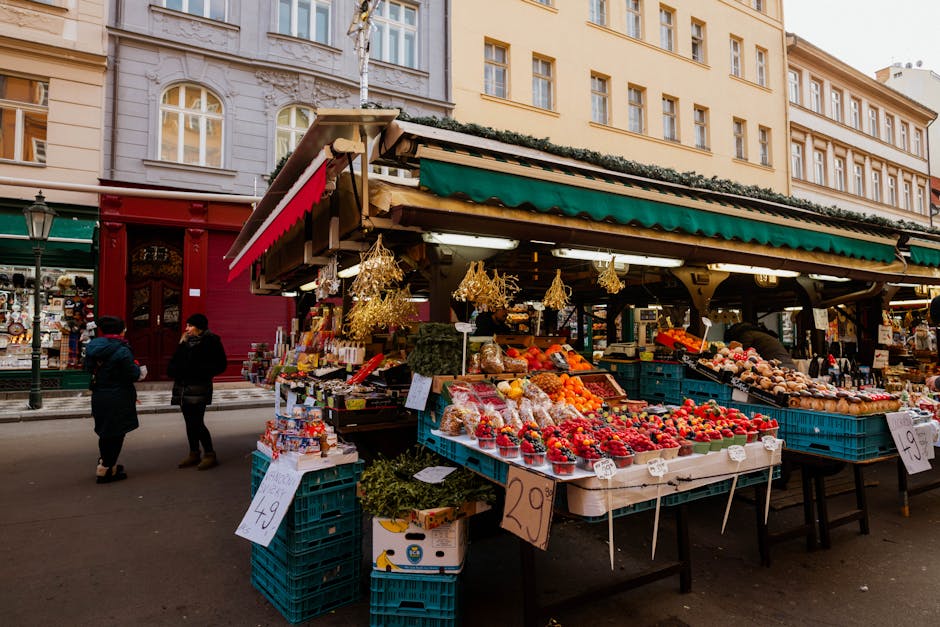
Berlin has a wide variety of markets, and some are especially well-suited to vegetarian needs. Here’s a concise map of the places to prioritize, and what makes each one unique for buying fresh, artisanal and regional ingredients.
- Markthalle Neun — Eisenbahnstraße 42/43, 10997 Berlin. Covered historic market in Kreuzberg. Open: Tuesday–Sunday (hours vary), with Street Food Thursday each Thursday from 17:00 to 22:00. Why go: wide range of artisanal cheeses, sourdough breads, organic stalls and tofu/tempeh artisans. Indicative prices: artisan loaf €3–5, farmhouse goat cheese €12–18/kg, artisanal tofu €3–5/250 g. Atmosphere: loud, indulgent, perfect for tasting before you buy.
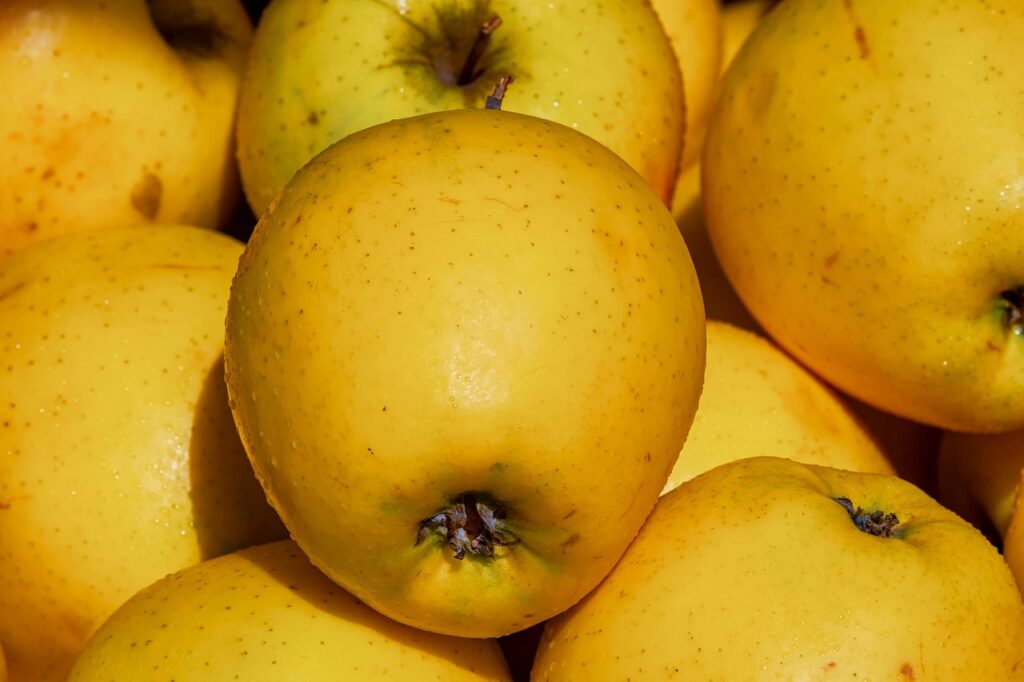
- Winterfeldtmarkt — Winterfeldtplatz, 10781 Berlin (Schöneberg). Open: Saturday 8:00–15:00. Why go: a large producers’ market, great for seasonal fruits and vegetables, jams, oils and breads. Indicative prices: local apples €1.80–3.00/kg, strawberries in season €3–5/250 g, organic eggs €3.50–5.00/10. Atmosphere: very busy, ideal for weekly shopping.
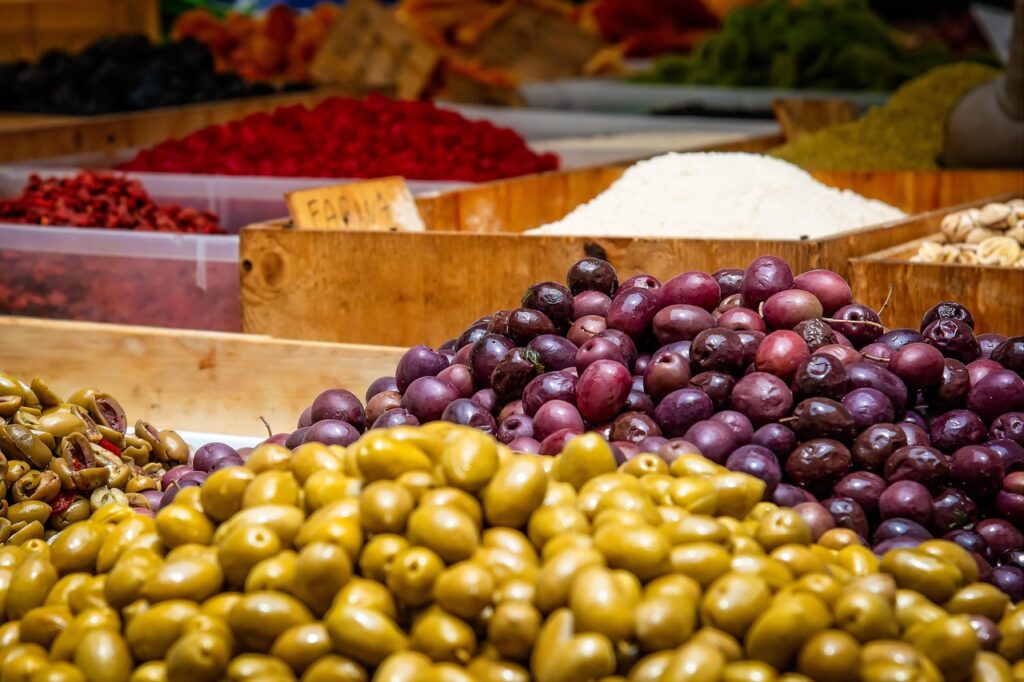
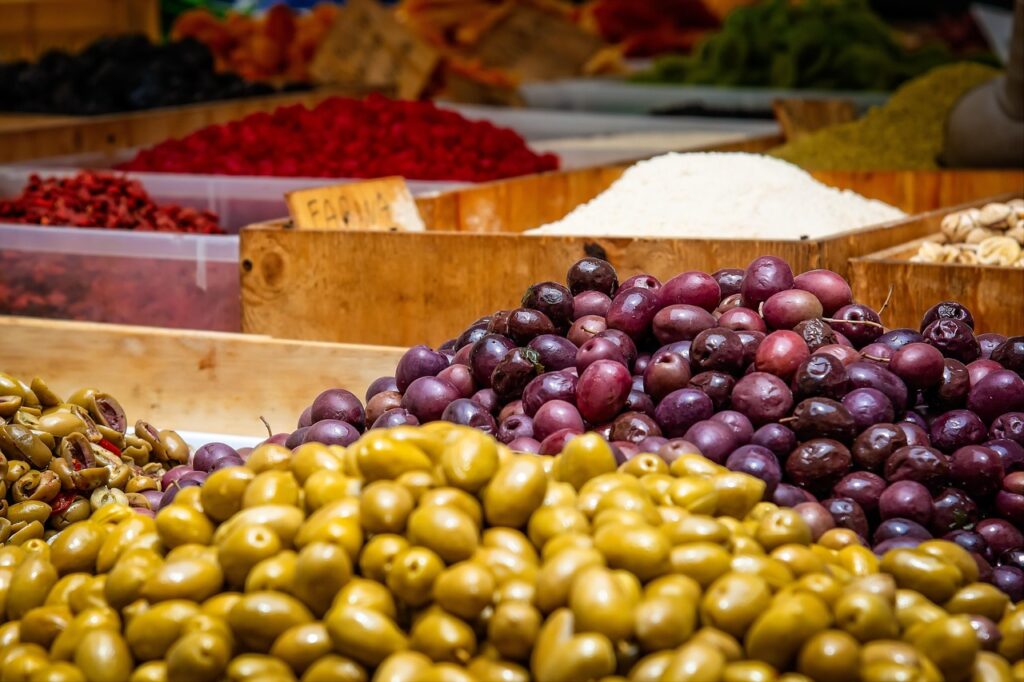
- Turkish Market at Maybachufer — Maybachufer (between Kottbusser Damm and Hobrechtbrücke), 12047 Berlin (Neukölln). Open: Tuesday & Friday 11:00–18:30. Why go: spices, Mediterranean vegetables, eggplants, heirloom tomatoes, flatbreads, baklava and olives. Indicative prices: eggplants €1–2/kg, marinated olives €6–10/kg, small spice packets €1–3. Atmosphere: vibrant, loud, perfect for Mediterranean and Middle Eastern ingredients.
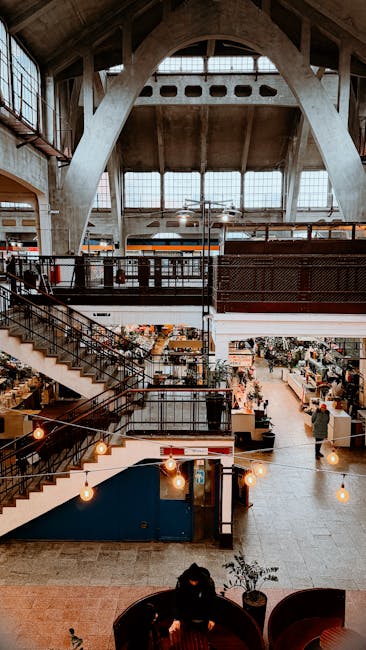
- Arminiusmarkthalle — Arminiusstraße 2–4, 10551 Berlin (Moabit). Open: daily depending on vendors; main market Tuesday–Saturday. Why go: a covered hall with produce stalls, bakeries, cheesemongers and cafés. Indicative prices: breads €2.50–4.50, artisanal cheeses €10–20/kg. Atmosphere: calmer than Markthalle Neun, good for regular shopping.
- Boxhagener Platz Market — Boxhagener Platz, 10245 Berlin (Friedrichshain). Open: Saturday 9:00–17:00 (hours vary by season). Why go: organic stalls, local producers, ready-to-eat vegetarian stands (falafel, socca, vegetable quiches). Indicative prices: takeaway dishes €4–8, vegetables €1.50–3/kg. Atmosphere: youthful, lively, perfect for brunch.
- Kollwitzplatz Wochenmarkt — Kollwitzplatz, 10435 Berlin (Prenzlauer Berg). Open: Wednesday 8:00–14:00 and Saturday 8:00–15:00. Why go: well-known organic market, organic vegetables, sourdough breads, artisanal dairy (check rennet for vegetarians). Indicative prices: organic vegetables €2–4/kg, sourdough €3.50–5.50, organic yogurts €1.50–2.50 per pot. Atmosphere: more upscale, family-friendly.
These markets cover a broad spectrum — from ultra-local veg to international products. For a vegetarian, it’s key to identify vendors offering plant-based processed alternatives (artisanal tofu, tempeh, seitan, dairy alternatives), as well as breads, preserves and condiments made in-house. Many markets also feature stalls with prepared vegetarian dishes: lentil soups, fresh falafel, vegetable curries, savory tarts and vegan pastries. Prices vary by label (organic, biodynamic, near-Berlin vs imported), presentation (pre-washed, bagged) and seasonal rarity.
2) Seasonal calendar and star products — what to look for month by month
For a vegetarian, seasonality is the key to tasty and sustainable cooking. Berlin sits in a temperate-continental zone: harvest seasons are distinct and some items are celebrated when they arrive. Here’s a month-by-month guide to the main local products to prioritize and how to use them.
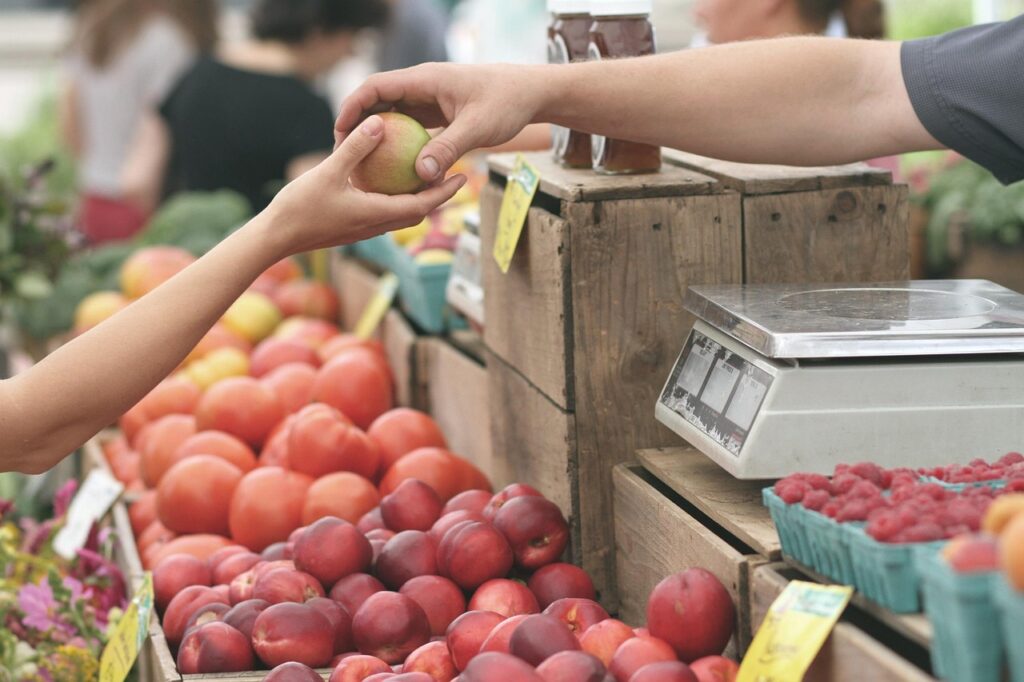
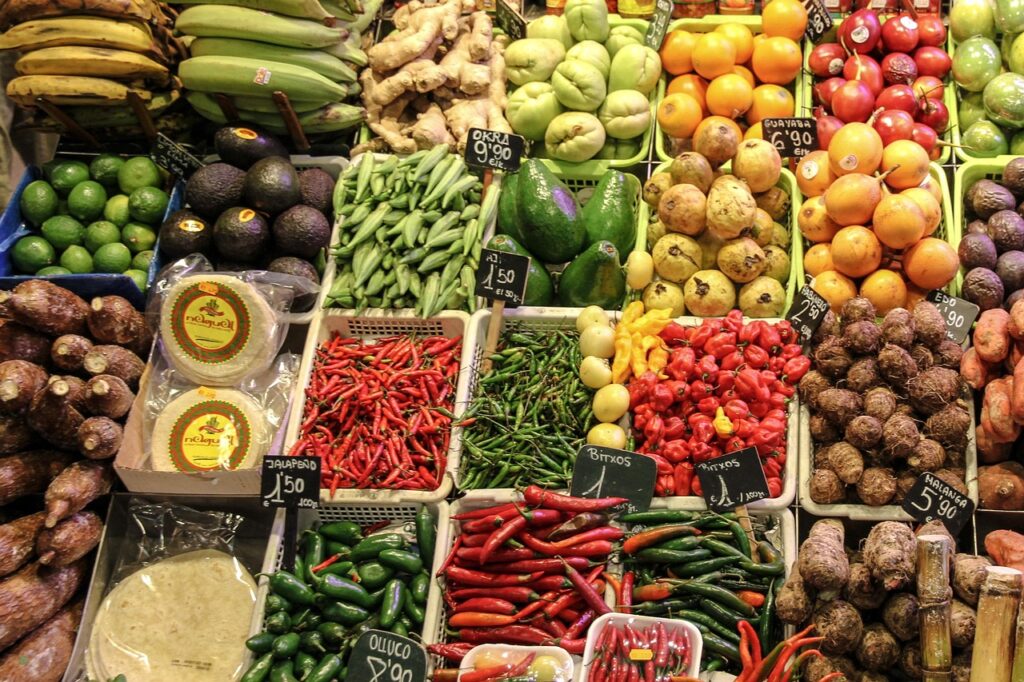
- Spring (March–June): the arrival of Spargel (white and green asparagus) is the major culinary event. Price: white asparagus €8–15/kg depending on quality and origin (local tends to be pricier). Tip: choose straight, firm stalks with tight tips. Young peas (€3–6/kg), rhubarb (€2–4/kg), baby spinach (€2–4/250 g) and early herbs (chives, parsley, chervil) add freshness and lightness. Local strawberries in June €3–5/250 g are ideal for desserts and homemade jams.
- Summer (June–August): abundance of heirloom tomatoes, courgettes, cucumbers, peppers, eggplants and fruits (cherries, summer apples). Prices: local tomatoes €2–4/kg, courgettes €1–2/kg. Tip: look for tomatoes sold « on the vine » (strauch) for more flavor. Turkish and Mediterranean markets are excellent for heirloom varieties and spices.
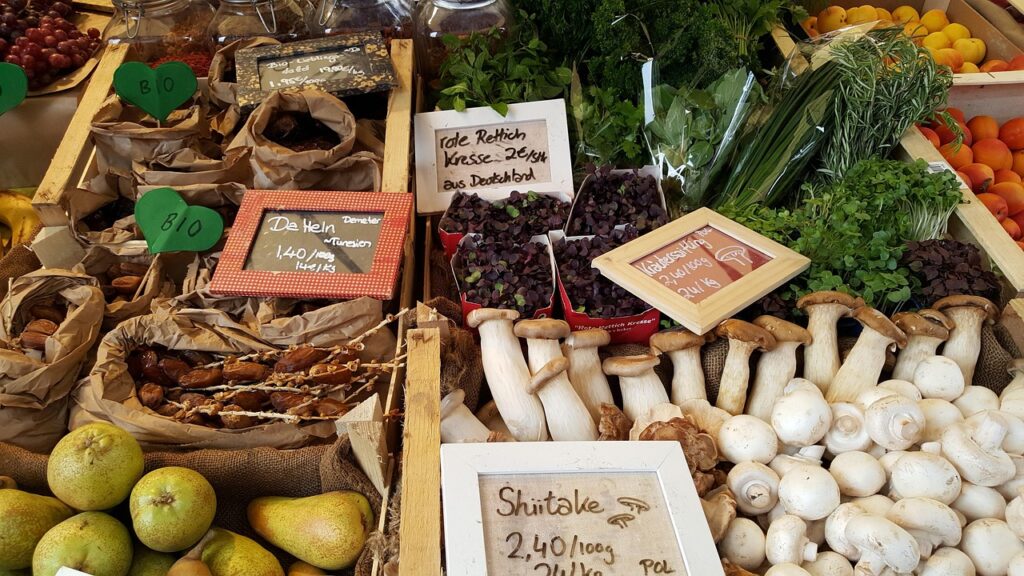
- Autumn (September–November): wild mushrooms (ceps/porcini, chanterelles) — prices €15–25/kg depending on variety, cooking and eating apples (€1.20–3/kg), squashes & pumpkins (€0.80–1.50/kg), storage beets and carrots. Tip: only buy mushrooms from trusted vendors and ask about where they were foraged. Squashes keep a long time and are versatile: soups, roasts, savory pies.
- Winter (December–February): roots (potatoes €1–2/kg, parsnips €1.50–3/kg), cabbages (green cabbage, red cabbage), kale (Grünkohl) — prices €1–2/kg. Kale is perfect for stews and oven chips. Tip: favor local varieties and buy extra since they store well.
Besides fresh produce, markets offer a wealth of seasonal processed products: fruit jams (each jar €3–6), chutneys, pickles and lacto-fermented vegetables (krauts, artisan kimchi) €4–8/500 g. These preserves are great for diversifying meals out of season and add beneficial probiotics. Local honey stands (250 g €4–8) and cold-pressed oils (250 ml €4–10) are common — buy according to floral origin (forest, meadow, rapeseed) for different flavor notes.
3) Detailed market profiles and practical tips for each spot
To help you plan, here are detailed profiles of six must-visit Berlin markets for vegetarians, with addresses, hours, recommended stalls, sample prices and precise local tips.
Markthalle Neun — Kreuzberg
Address: Eisenbahnstraße 42/43, 10997 Berlin. Hours: Tuesday–Friday 10:00–20:00 (varies by vendor), Saturday 9:00–18:00. Highlights: range of small producers, cheesemongers, bakeries and vegetarian prepared-food stalls. Street Food Thursday (Thu 17:00–22:00) often features vegetarian options (falafel, vegetarian tacos, bowls). Indicative prices: sourdough €3–5, organic vegetables €2–4/kg, street food dishes €4–9.
Tips: arrive early for the best breads and cheeses. Staff often speak English, and some producers accept advance orders for bulk purchases. Look for stalls like « Kiezbio » or « Berlin Tofu » for local protein-rich alternatives.
Winterfeldtmarkt — Schöneberg
Address: Winterfeldtplatz, 10781 Berlin. Hours: Saturday 8:00–15:00. Highlights: large neighborhood market with local producers and small farmers. Ideal for building your weekly basket. Indicative prices: organic eggs €3.50–5.00/10, strawberries €3–5/250 g, apples €1.80–3/kg.
Tips: if you’re after heirloom vegetables or sprouting seeds, ask the farmers early in the morning. Be ready to walk: the market is big and busy, so bring a sturdy basket. Cheesemongers often indicate if their cheese is vegetarian (microbial rennet) — always ask.
Turkish Market at Maybachufer — Neukölln
Address: Maybachufer (between Kottbusser Damm and Hobrechtbrücke), 12047 Berlin. Hours: Tuesday & Friday 11:00–18:30. Highlights: Mediterranean vegetables, legumes, spices, flatbreads and fermented products. Indicative prices: eggplants €1–2/kg, olives €6–10/kg, herbs and spices €1–3/packet.
Tips: excellent for Turkish and Levantine-inspired ingredients (smoked eggplant, sumac, za’atar). Bargaining can be acceptable for bulk buys; start with a modest discount request and be friendly. Vendors are often warm and will share cooking tips. Bring reusable bags and containers for olives and cheeses.
Arminiusmarkthalle — Moabit
Address: Arminiusstraße 2–4, 10551 Berlin. Hours: vendors vary; main market Tuesday–Saturday (hours 9:00–18:00 depending on the stall). Highlights: covered hall with traditional stalls, bakery, fish (for omnivores), cheesemongers and cafés. Indicative prices: bread €2.50–4.50, cheeses €10–20/kg, vegetables €1.50–3/kg.
Tips: a good spot to shelter from rain and pick up fresh bread. Ask about dairy: some pressed cheeses use animal rennet — request microbial rennet to confirm if they’re vegetarian-friendly.
Boxhagener Platz Market — Friedrichshain
Address: Boxhagener Platz, 10245 Berlin. Hours: Saturday 9:00–17:00 (seasonal). Highlights: organic stalls, ready-to-eat vegetarian dishes, sometimes egg-free pastries, local producers. Indicative prices: ready meals €4–8, vegetables €1.50–3/kg, bread €3–5.
Tips: ideal for a relaxed market brunch. Street-food stalls often offer vegan choices — ask for « ohne Fleisch, bitte » (no meat, please) to be clear. Young producers love swapping recipes and ideas, so ask about uses for less common vegetables.
Kollwitzplatz Wochenmarkt — Prenzlauer Berg
Address: Kollwitzplatz, 10435 Berlin. Hours: Wednesday 8:00–14:00 & Saturday 8:00–15:00. Highlights: renowned organic market, ideal for certified organic products and artisanal cheeses. Indicative prices: organic vegetables €2–4/kg, organic sourdough €3.50–5.50, yogurts €1.50–2.50.
Tips: in summer, come early for tomatoes and sourdough. Organic stalls often sell bulk dry goods (nuts, seeds) — bring your own containers. The market attracts discerning customers: quality is high and prices reflect that.
4) Smart buying tips — budget, storage and product choices
Shopping at markets is not just about taste: it’s also about economy and logistics. Here are concrete, practical tips to manage spending, preserve goods and recognize quality.
- Budget: expect to spend between €15 and €35 for a weekly vegetarian basket for two if you mainly buy market products (fruits, vegetables, bread, eggs, cheese, legumes). A vegetarian street-food lunch usually costs €4–9. To save: buy during the last hour for discounts on baskets ready for processing, or favor local producers without organic labels for the best quality/price ratio.
- Storage: root vegetables (potatoes, carrots, beets) keep for several weeks in a cool, dark place; squashes store for months in a dry spot; fresh herbs last longer cut and placed in a glass of water like a bouquet. Mushrooms should be refrigerated and consumed within 2–3 days. Breads keep 2–4 days; to store longer, slice and freeze.
- Choosing produce: to judge a good vegetable: firm stems, unspotted leaves, skin not shriveled, fresh smell. For tomatoes, press gently: they should give slightly. Buy nuts and seeds in bulk for freshness (prices €8–15/kg for almonds, €3–8/kg for sunflower seeds).
- Labeling and traceability: always ask the vendor where the item was grown, what methods were used and whether any post-harvest treatments (preservatives, wax) were applied. Organic markets display labels, but some small producers practice sustainable farming without certification — having a conversation often pays off.
- Communication: learn a few practical German phrases: « Ist das regional? » (Is this local?), « Ist das bio? » (Is this organic?), « Wie viel kostet das? » (How much does this cost?). Vendors appreciate the effort and may share tips and recipes.

5) Ready-to-eat dishes and vegetarian options on site
Exploring Berlin’s markets also means eating on the go. Many markets offer stalls or food trucks with vegetarian and vegan options. Here are concrete examples with typical prices and recommendations.
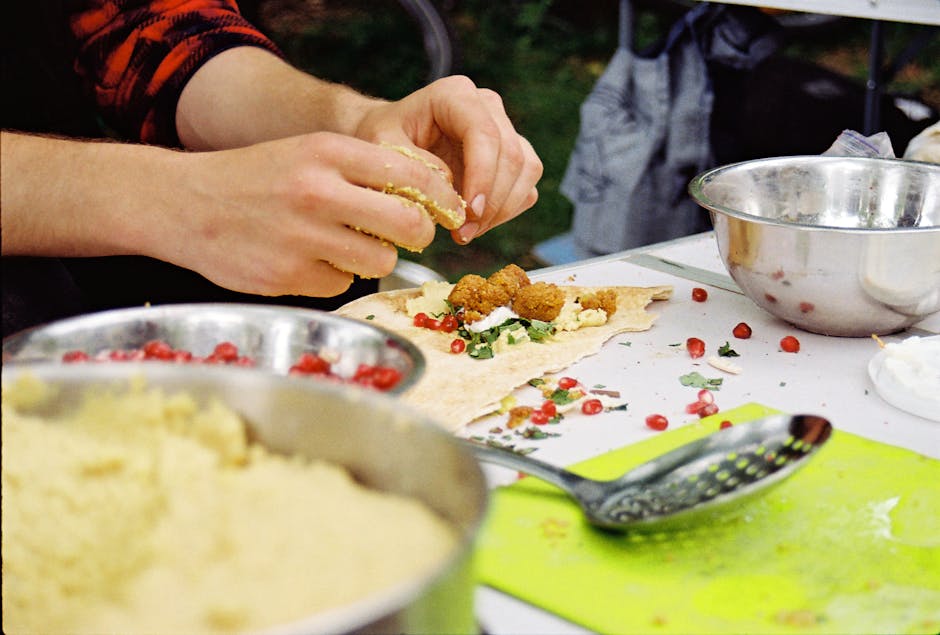
- Falafel and mezze — often available at the Turkish Market at Maybachufer or Boxhagener Platz. Price: portion of falafel €3.50–6 with salad and bread. Tip: ask for the sauce on the side if you avoid dairy (yogurt-based sauces).
- Savory crepes and galettes — Markthalle Neun or Arminiusmarkthalle sometimes serve buckwheat galettes filled with roasted vegetables. Price: €4–7. Tip: perfect for a meat-free lunch full of flavor.
- Vegetarian soups — common in autumn/winter at covered markets. Price: €3.50–6. Tip: ask if the stock is vegetable-only (« nicht mit Fleischbrühe ») if you’re strictly vegetarian.
- Vegetarian tarts and quiches — great at Winterfeldtmarkt and Kollwitzplatz. Price: €3–5 per slice. Tip: check the rennet in the cheese used.
- Fermented products and health snacks — kraut, kimchi and pickles stands at Markthalle Neun. Price: €4–8/500 g. Tip: buy a jar to accompany winter dishes and add probiotic boosts.
Don’t miss artisan bakeries selling wholegrain sourdough — it pairs perfectly with cheeses and market jams. Price: loaf €3–6. Vegan pastries are becoming more common, especially around Friedrichshain and Kreuzberg; expect €2.50–4 each.
6) Local tips, sustainability and ethical alternatives
Being a responsible market shopper also means thinking about sustainability: reducing packaging, supporting local producers and minimizing waste. Here are practical tips and ethical alternatives tailored to vegetarians.
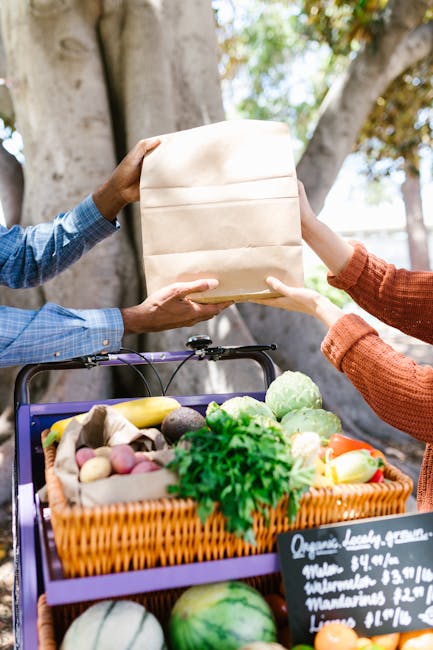
- Bring your own containers: many stalls now accept your jars or cloth bags, especially at organic markets like Kollwitzplatz. This reduces plastic waste and vendors appreciate the effort.
- Buy seasonally: it’s not only better for taste and your wallet, it supports local growing. Plan menus around the seasonality outlined above.
- Support short supply chains: favor producers who sell directly. They often reinvest in production quality and biodiversity.
- Reduce waste: buy appropriate quantities and use leftovers for soups, compotes or preserves. Many markets also sell « imperfect » baskets at reduced prices — perfect for smoothies, soups and canning.
- Ask about rennet: for vegetarians, rennet (animal vs microbial) in cheeses matters. Ask cheesemongers directly and favor cheeses labeled « vegetarisch » (vegetarian) when possible.
Conclusion
Berlin’s markets offer an exceptional palette for vegetarians: local produce, seasonal variety and almost endless culinary possibilities. Whether you love the vibrancy of the Turkish Market at Maybachufer, the creative buzz of Markthalle Neun, the organic quality at Kollwitzplatz or the family charm of Winterfeldtmarkt, each location holds treasures for building healthy, sustainable and delicious meals. This guide gave you exact addresses, usual hours, price ranges and practical tips — essential information to plan your shopping, compose seasonal menus and talk with local producers.
Seasonality is your ally: adapt purchases to the harvest calendar to enjoy unmatched flavors and reduce your environmental footprint. Think about storage and processing (preserving, lacto-fermentation, freezing) to extend shelf life and diversify uses. Don’t forget to bring reusable bags, jars and a little cash, even though most stalls now accept electronic payments.
Beyond food supply, markets are meeting places. Talk to producers, ask about varieties and cooking methods, collect local recipes and let yourself be surprised by products you might have overlooked in a supermarket. Berlin, with its blend of agricultural traditions and culinary innovation, invites you to rediscover vegetarian food in a new light — fresher, more responsible and infinitely more creative.