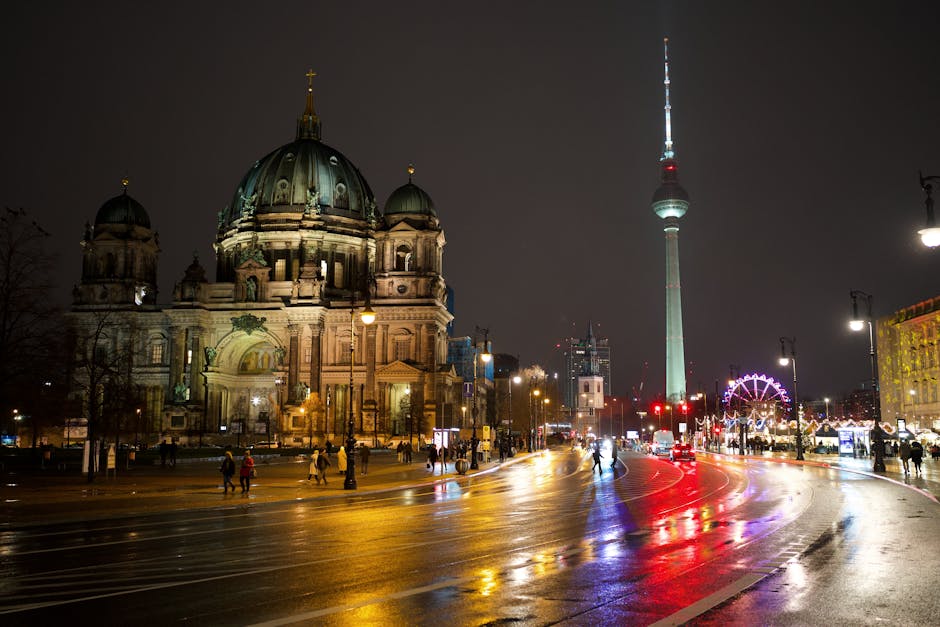






Introduction — Why this basic safety guide for Berlin at night
Berlin is a vast, multicultural city that draws millions of visitors every year. Its nighttime neighborhoods—from Kreuzberg to Friedrichshain, via Mitte and Prenzlauer Berg—serve up a huge range of experiences: night markets, legendary clubs, impromptu concerts, multicultural restaurants and strolls along the Spree. Yet, like any big metropolis, the night brings its own safety challenges. This guide aims to give you practical, local advice you can use from your very first night out so you can enjoy Berlin’s nightlife while keeping risks to a minimum.
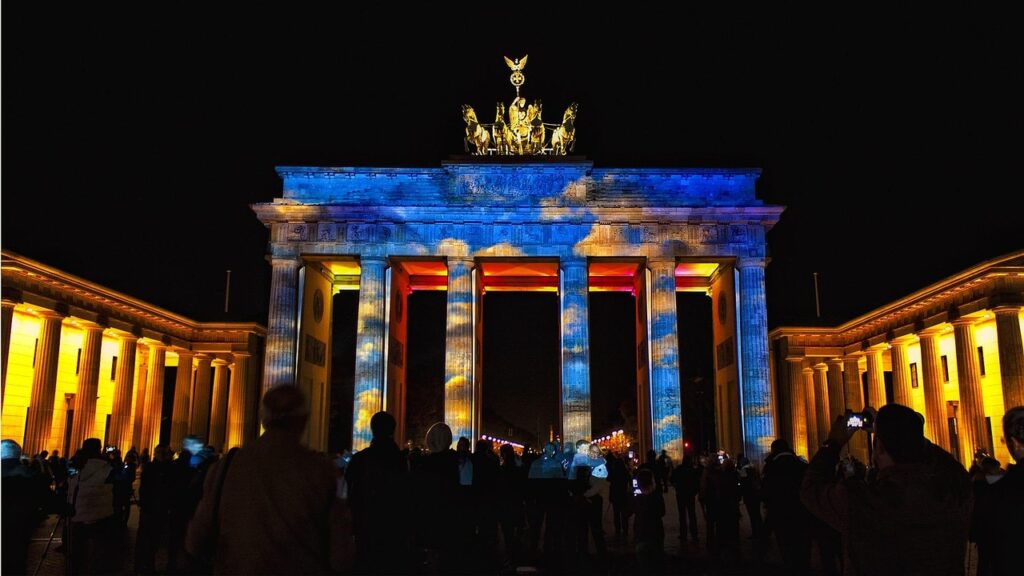
We’ll cover concrete behaviors to adopt: how to get around (public transport, taxi, walking), how to handle alcohol and social interactions, which areas to avoid or seek out, how to protect your belongings and what to do if something goes wrong. You’ll find specific addresses, typical opening hours, indicative prices in euros and immersive descriptions to help you picture situations. The tips take Berlin’s urban layout into account — for example the length of some U-Bahn lines, the city’s large parks and squares like Alexanderplatz (Alexanderplatz, 10178 Berlin) or Pariser Platz (Brandenburger Tor, 10117 Berlin) — as well as local quirks, such as many clubs checking IDs at the door or bars that stay open late but aren’t brightly lit.
Taking precautions isn’t about fear: it’s about anticipating and adapting to a lively, changing urban environment. We’ll also cover respectful behavior toward locals — keeping residential areas quiet after midnight in certain neighborhoods, avoiding blocking sidewalks with noisy groups, and taking your litter with you. Finally, this guide encourages self-reliance: know where to find help (emergency number 110, embassies, local police stations) and when to opt for a taxi instead of a U-Bahn ride. With this information you’ll have a solid behavioral safety kit for calm nights out in Berlin.
Getting around at night: transport, routes and practical habits
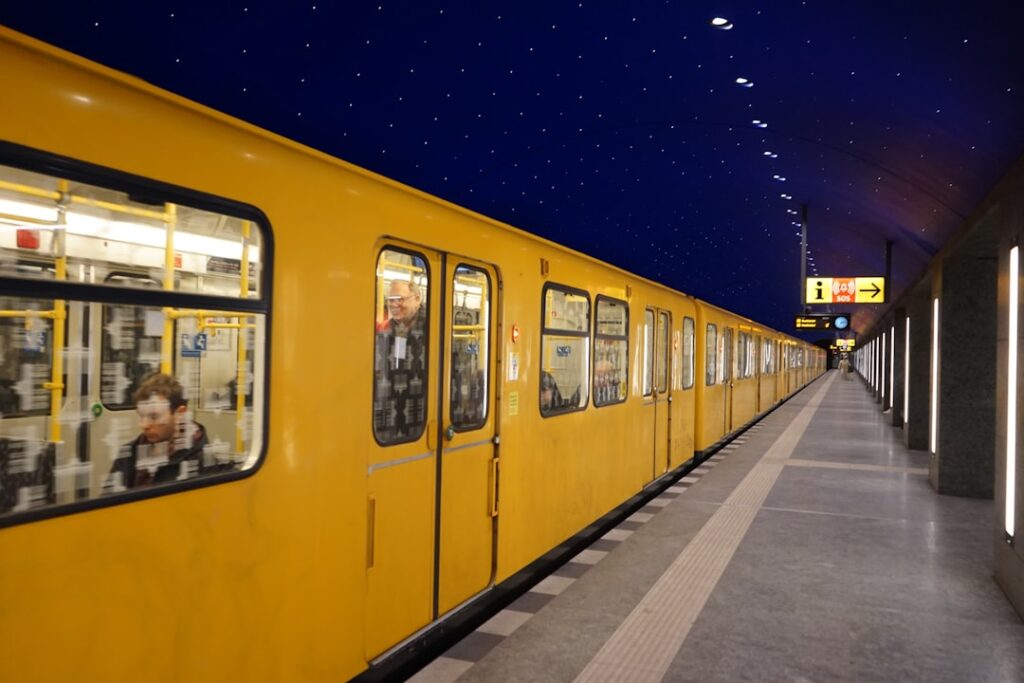
Getting around Berlin at night means juggling several options: U-Bahn (metro), S-Bahn (urban trains), night trams, night buses (Nachtbus), taxis and ride-hailing services. The key is choosing the option that fits your route, the frequency you need and the level of safety you feel comfortable with. Main U-Bahn and S-Bahn lines run late but aren’t always 24/7 on every section; however in recent years major lines like the U2 and U8 have offered regular night services on weekends. Night buses run by BVG are marked with an « N »: check the official BVG app for real-time timetables.
Typical fares (indicative): single ticket AB €3.20; day ticket AB €8.80; 48-hour Berlin WelcomeCard from €23.50 depending on zone and options. The Deutschlandticket (about €50/month at the time of writing, subject to change) is popular for longer stays. Tickets must be validated before travel at the yellow machines in stations or via BVG apps. Not validating can lead to fines (penalties up to €60 or more depending on the case).
Adopt these practical habits:
- Plan your route: identify the closest station — for example Alexanderplatz (Alexanderplatz, 10178 Berlin) or Ostbahnhof (Am Ostbahnhof 1, 10243 Berlin) — and note connections. Favor well-lit, more frequented routes.
- Avoid sleeping on public transport if you’re alone. Keep your belongings close and, if possible, place your bag between your feet or tucked under your arm.
- Choose well-lit stations like Hackescher Markt (Hackescher Markt, 10178 Berlin) or Warschauer Straße (Warschauer Str., 10243 Berlin) rather than an isolated stop.
- Use official taxis: Berlin taxis are white with a « TAXI » sign on the roof and use a meter. Typical fares: start €4.00–€4.50, then roughly €2.00–€2.50/km, with slightly higher rates at night. A ride from Mitte to Kreuzberg can cost €10–€20 depending on distance.
- Be cautious with ride-shares: check the license plate and driver before getting in, and share your trip with a friend via your phone.
Neighborhoods: where to go and what to avoid after midnight
Berlin isn’t the same everywhere at night: each neighborhood has its own vibe. Knowing where you’re likely to feel safer helps plan evenings. Here’s a selection of areas with specific pointers.
Mitte and Hackescher Markt
Mitte is the tourist heart. Hackescher Markt (Hackescher Markt, 10178 Berlin) is packed with bars and restaurants. Lighting is good and foot traffic is high, especially near Rosenthaler Platz (Rosenthaler Platz, 10119 Berlin). Be mindful of pickpockets during busy tourist times. Stay vigilant: zip your bag, carry important documents separately, and avoid flaunting expensive devices in crowds.
Kreuzberg and Görlitzer Park
Kreuzberg is lively but some spots can feel unpredictable at night. Görlitzer Park (Görlitzer Park, Görlitzer Straße, 10997 Berlin) is popular by day and can become sketchy after dark. Avoid isolated paths in the park after 11pm. If you’re heading toward Schlesisches Tor (Schlesisches Tor, 10997 Berlin), stick to main roads like Skalitzer Straße, which are better lit and have more pedestrian traffic.
Friedrichshain and Warschauer Straße
The area around Warschauer Straße (Warschauer Str., 10243 Berlin) and the RAW-Gelände buzzes with clubs and bars. Club queues can be long; respect door rules (ID checks, dress codes and possible refusals). Main streets are relatively safe, but watch out for occasional fights outside clubs — move away if tensions rise.
Prenzlauer Berg and quieter nights
Prenzlauer Berg, with its cafés and small squares, becomes more residential after midnight. Respect the quiet: no loud drinking in parks, and avoid broken windows or graffiti that can signal small trouble spots. For calmer evenings choose places like Kollwitzplatz (Kollwitzplatz, 10435 Berlin) where cafés typically close around 11pm–1am.
Social behavior and preventing incidents: alcohol, groups and common scams
Drinking is part of Berlin’s nightlife culture, but it’s best done sensibly. The main rules are moderation, planning and situational awareness. Here are practical recommendations:
- Never leave your drink unattended: in some bars or outdoor gatherings, drink-spiking remains rare but possible. Stay with friends and keep your drink in sight.
- Know your limits: avoid drinking to the point of losing consciousness. Have a plan to get home (taxi, a friend) and carry a card with your insurance and an emergency contact.
- Common scams: watch out for people offering unofficial « free tours, » fake taxi drivers and aggressive vendors. Politely decline and walk away. Be wary if someone hands you a free drink or bundle; it could be a distraction for theft.
- Groups and safety: moving in a group reduces risks. If you’re alone, stick to busy places with services (bars, stations, police posts). In a conflict situation, choose a smart escape over confrontation.
For serious incidents, contact:
- Police / emergency: emergency number 110
- Ambulance: emergency number 112
- Berlin-Mitte central police station: Landespolizeidirektion Berlin, Prinzessinnenstraße 1, 10969 Berlin — open 24h, depending on service. (Check hours online)
Insurance, documents and useful admin steps at night
Before heading out for the evening, a few administrative steps can reduce stress if something goes wrong: scan important documents (passport, ID card, travel insurance) and email a copy to an account only you can access. Save useful numbers on your phone (embassy, insurer, assistance services). Consulates can help if your passport is stolen; for example, the French Embassy in Germany is at Pariser Platz 5, 10117 Berlin (phone +49 30 59003-0) — hours and emergency services vary, call before you go in.
Other practical tips:
- Travel insurance: confirm your policy covers theft and nighttime hospitalization. Keep the 24-hour helpline number with you.
- Bank cards: carry at least two payment methods. If a card is stolen, block it immediately via your bank’s app and visit a branch the next day if needed.
- Local contact details: also keep your accommodation’s address handy: for example, « a&o Hostel Berlin Hauptbahnhof, Ella-Trebe-Straße 9, 10557 Berlin » — staff can help contact local services in an emergency.
Conclusion — Enjoy the night with peace of mind
Berlin at night is a mosaic of experiences: impromptu concerts, international clubs, intimate bars and walks along the Spree. Basic safety often comes down to small details: plan your routes, stay in a group, protect your belongings, limit excessive drinking and know the emergency services. By following these principles you reduce risks without giving up the spontaneity that makes the city so appealing.
Remember most Berliners are friendly and willing to help if needed. If you feel unsafe, look for an open shop, a bar, a station or call 110. Public transport remains a reliable way to get back to your accommodation; for very late returns or after concerts consider official taxis or validated ride-hailing services. Finally, be respectful of residential neighborhoods and quiet hours: considerate behavior helps keep good relations with locals and contributes to a safer atmosphere for everyone.
This guide gives you a practical, local toolkit to approach Berlin’s nights with confidence. Before you go, check exact timetables and fares on official sites (BVG.de, your embassy or insurer). With a bit of preparation, Berlin will reward you with memorable nights full of discovery and without unpleasant surprises.