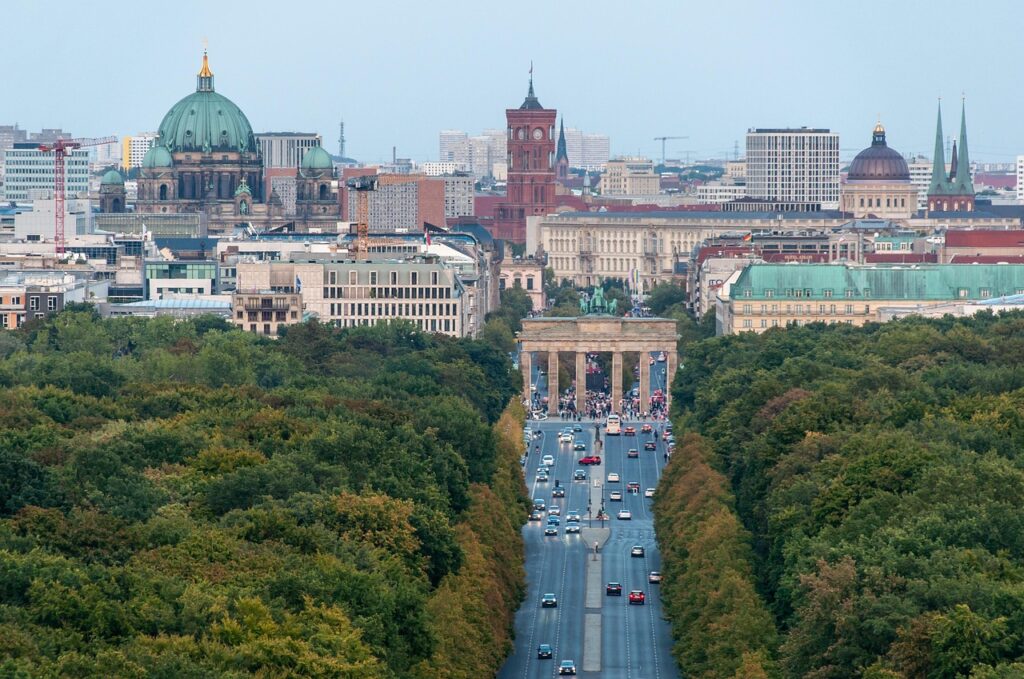






Introduction : Pourquoi connaître la meilleure période et la météo à Berlin mois par mois
Berlin is a city of many faces: steeped in history yet fiercely modern, full of green spaces and overflowing with culture. Knowing the weather and the best time to visit Berlin month by month helps you tailor your trip to what you love—whether that’s festivals, museums, nightlife, parks or Christmas markets. Unlike beach destinations with an obvious high season, Berlin’s charm changes throughout the year: foggy winters with cozy markets, an explosive spring of new greenery, bright festive summers, and colorful, culture-packed autumns. This complete month-by-month guide gives you clear, practical pointers for each month—specific places, addresses, opening times, typical prices and local tips—so you can plan down to the details.
This month-by-month overview includes practical weather info (average temperatures, precipitation), the best times of day to visit sites, and local recommendations for each period. You’ll also find concrete addresses like the Reichstag (Platz der Republik 1, 11011 Berlin), the Berliner Dom (Am Lustgarten, 10178 Berlin), Schloss Charlottenburg (Schlossstraße 1, 14059 Berlin), Markthalle Neun (Eisenbahnstraße 42/43, 10997 Berlin) and outdoor spots like Tempelhofer Feld (Tempelhofer Feld, 12279 Berlin). For each period there are tips on what to pack, how to behave during events and transport hacks (BVG, ticketing, off-peak hours) to help you stay comfortable and on budget.
Finally, this guide suggests signature activities by season (museums, walks, parks, markets, festivals) and includes practicalities: indicative entrance fees, typical opening hours and booking options. For example, the Reichstag dome is free but requires prior registration; Berliner Dom often charges around €10; the Pergamon Museum on Museum Island (Bodestraße 1-3, 10178 Berlin) ranges roughly €12–€19 depending on the exhibition; and Markthalle Neun hosts street food events where portions usually cost between €4 and €12.
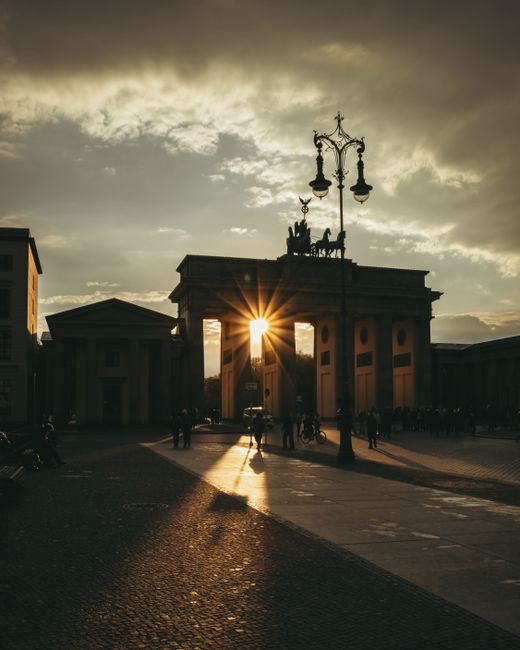
January – February: Cold winter, museums and indoor markets
January and February are Berlin’s coldest months. Average temperatures typically range from about -2 °C to 4 °C, with short daylight hours and long nights. Snow can fall but is often intermittent; freezing rain is possible at times. These months are perfect for museum-hopping and settling into cozy cafés without the summer crowds. Weather tends to push you indoors: explore the museums on Museum Island (Museumsinsel, Bodestraße 1-3, 10178 Berlin), Hamburger Bahnhof (Invalidenstraße 50-51, 10557 Berlin) and the Deutsches Historisches Museum (Unter den Linden 2, 10117 Berlin).
Useful hours and prices: the Pergamon Museum (Bodestraße 1-3, 10178 Berlin) usually opens around 10:00 and closes around 18:00 (extended closures on some days); tickets typically cost €12–€19 depending on the exhibition. Berliner Dom (Am Lustgarten, 10178 Berlin) is often open from 09:00 to 20:00 in high season, but winter hours may be reduced; entrance to the cathedral and the dome view is usually around €10. The Reichstag (Platz der Republik 1, 11011 Berlin) remains accessible: the dome visit is free but requires online registration in advance (waiting windows vary).
Local tips: dress in layers, bring waterproof boots and a windproof scarf. Cafés and tearooms like Café Einstein Stammhaus (Kurfürstenstraße 58, 10785 Berlin) are perfect for warming up with cakes—hot drinks typically cost €3–€6. Winter months are also a great time for classical concerts and temporary exhibitions, often less crowded: check official websites and book ahead for major shows.
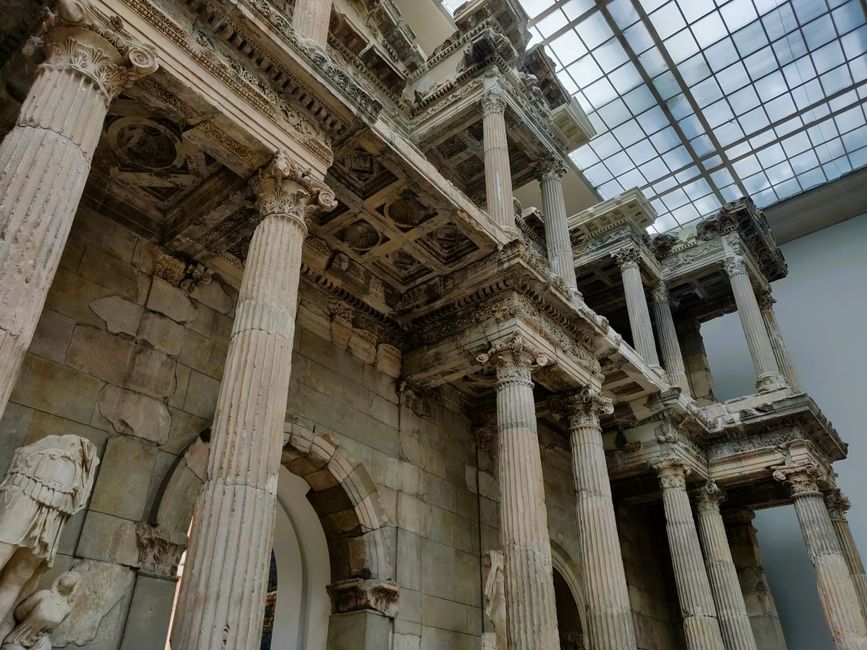
March – April: Early spring, budding trees and mixed weather
Spring wakes up slowly in Berlin: March is still cool (averages 3–10 °C) while April warms up (8–16 °C) but can be unsettled with rain and wind. Parks start to come alive: the Tiergarten (Straße des 17. Juni 100, 10557 Berlin) becomes a lovely spot for walks, and the banks of the Spree around Museum Island are great for photography. Public gardens, such as the grounds around Schloss Charlottenburg (Schlossstraße 1, 14059 Berlin), start to bloom.
Recommended activities: join a guided bike tour when weather allows (many operators offer tours roughly €15–€30), visit Mauerpark (Bernauer Str. 63-64, 13355 Berlin) for the Sunday flea market and outdoor karaoke on warmer days. Museums pick up pace and temporary shows at the Kulturforum and the Neue Nationalgalerie attract art lovers.
Practical info and hours: most museums and attractions run standard hours around 10:00–18:00 or 20:00 depending on the venue; watch for closures on Mondays (some galleries close that day). Public transport (BVG) stays the most convenient option—single tickets for zones AB are around €3.80, day tickets roughly €9.30 (fares may change). Bring a light raincoat and closed shoes; sunny afternoons are perfect for café terraces.
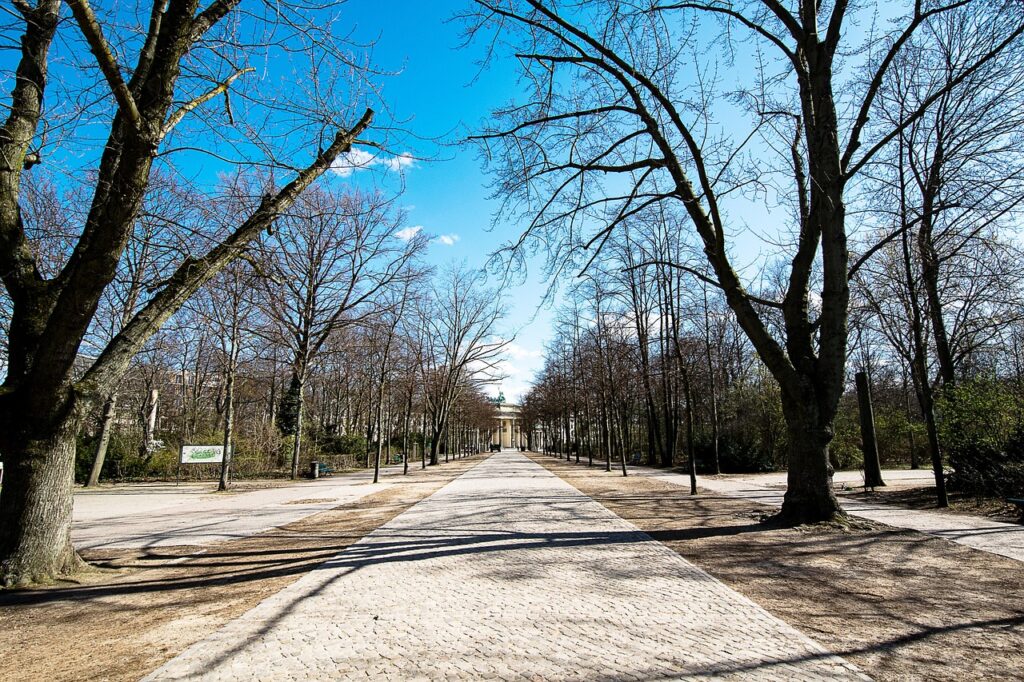
May – June: Late spring and early summer, long days and outdoor parties
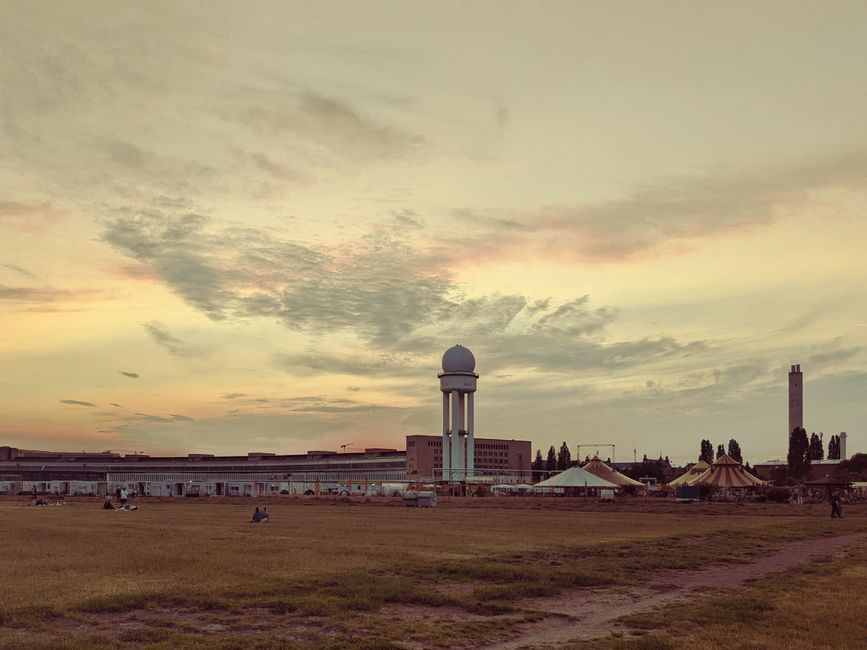
May and June are ideal months to visit Berlin: pleasant temperatures between about 12 °C and 24 °C, long sunny days and a surge of outdoor events (festivals, night markets, open-air cinemas). Urban parks like Tempelhofer Feld (Tempelhofer Feld, 12279 Berlin), a former airport turned massive public space, become magnets for picnics, rollerblading and kite flying.
Events and spots to prioritize: May Day celebrations (May 1) spread across several neighborhoods, with Kreuzberg and Friedrichshain particularly lively—expect a mix of political demonstrations and party atmospheres. Bars and restaurants along the Landwehrkanal and throughout Kreuzberg reopen outdoor seating. Markthalle Neun (Eisenbahnstraße 42/43, 10997 Berlin) runs Street Food Thursdays (usually 17:00–22:00) where portions cost roughly €4–€12—perfect for sampling Berlin’s food scene.
Hours and prices: Schloss Charlottenburg (Schlossstraße 1, 14059 Berlin) is generally open 10:00–18:00; combined palace and garden tickets run about €12–€17. The Berliner Philharmonie (Herbert-von-Karajan-Straße 1, 10785 Berlin) hosts evening concerts with ticket prices ranging from €10 to €120 depending on seating. For popular concerts and festivals in May–June, book in advance.
July – August: Hot summer, festivals and outdoor life
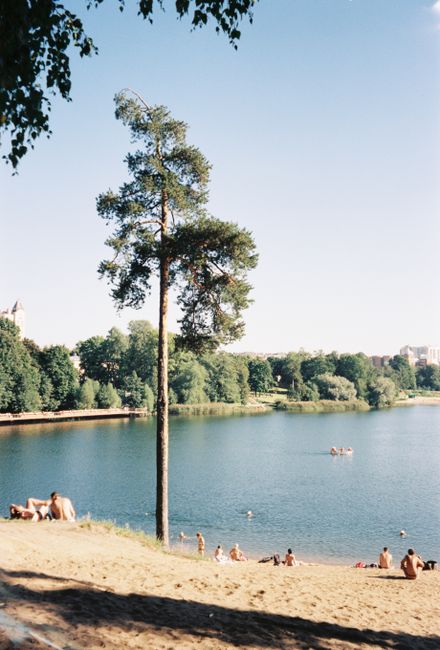
July and August are the height of Berlin summer. Temperatures can climb from about 18 °C up to 30 °C on hot days, with generally mild nights. The city erupts with terrace culture, music festivals (for example Lollapalooza Berlin and other lineup-dependent festivals) and urban swimming spots along the Landwehrkanal or at Strandbad Wannsee (Strandbadweg 1, 14129 Berlin). Cafés, bars and clubs spill onto the streets—Berlin runs on summer energy.
Practical tips: pack sunscreen, a hat and plenty of water—some days get very hot and shade can be scarce in central areas. Public lidos and city beaches like Strandbad Wannsee charge around €4–€7 for entry. Famous landmarks such as the Brandenburg Gate (Pariser Platz, 10117 Berlin) are best visited early morning or late evening to avoid crowds; the Reichstag often has evening slots for the dome, but booking is recommended.
Hours and budget: many places stay open later into the evening, and restaurants offer summer menus; expect terrace meals to cost roughly €12–€30 per person. Transport is essential—if you plan to move around a lot, consider a day pass during summer. Some outdoor markets and festivals require paid tickets (€15–€80 depending on the event).
September – October: Golden autumn, cultural harvest and changing weather
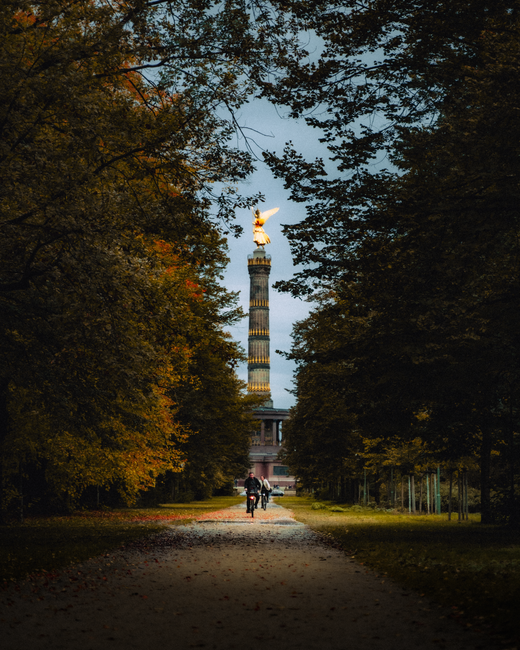
September and October are among the best times to visit Berlin: pleasant September temperatures (around 12–22 °C) cool down into October (about 6–15 °C). Trees turn beautiful shades across the Tiergarten and around Schloss Charlottenburg. Culturally, the season kicks back into high gear with new exhibitions and the return of concert halls and festivals like Berlin Art Week (dates vary).
Recommended activities: stroll through the Tiergarten, visit Schloss Charlottenburg and warm up in cozy cafés in Prenzlauer Berg. Farmers’ markets and food festivals are common, with portions typically €4–€12 at stalls. October can bring rainy, windy days—pack a waterproof jacket and sturdy, water-resistant shoes.
Practical hours and info: many museums switch to autumn hours around 10:00–18:00; theatres and concert venues release their season programs in September—book early for popular shows. BVG fares remain an economical way to get around; for more flexibility, consider a Berlin WelcomeCard (1–6 days) which includes transport discounts and attraction deals.
November – December: Year’s end, misty days and Christmas markets
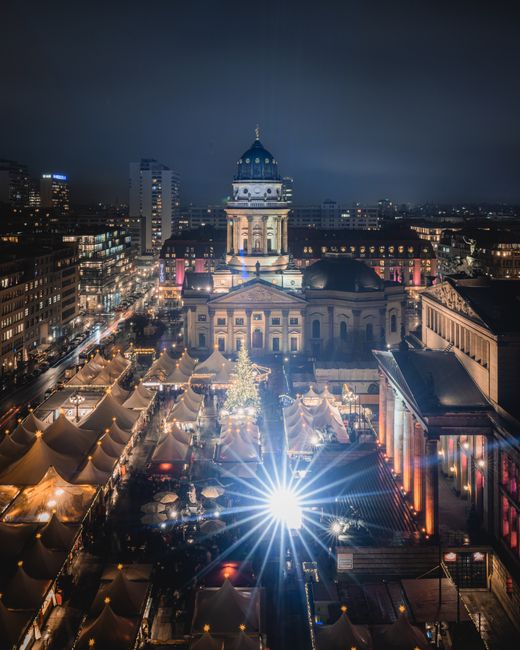
November marks the move toward winter: cool temperatures (around 0–8 °C), short days and often a gray atmosphere that’s perfect for retreating into museums and cafés. December transforms Berlin with Christmas markets: the Weihnachtsmarkt at Gendarmenmarkt (Gendarmenmarkt, 10117 Berlin) is among the most famous, offering crafts and mulled wine (Glühwein) around €3.50–€5.50 and plenty of local artisan goods. Neighborhood markets in Charlottenburg and Alexanderplatz also draw big crowds.
December tips: pack warm layers, gloves and a hat—markets are festive but can be very busy on weekends. Many attractions extend evening hours for the lights. Berliner Dom, concerts at Kaiser Wilhelm Church (Breitscheidplatz, 10789 Berlin) and choral events are seasonal highlights that really set the end-of-year mood.
Practical info and prices: temporary ice rinks pop up with entry fees around €3–€8 depending on location, and Christmas concert tickets sell fast (prices vary). For visiting the Reichstag, book well in advance during the holidays; the dome provides a memorable view of the city lights.
Conclusion : Comment choisir le meilleur moment pour votre visite à Berlin
Picking the best time to visit Berlin depends on what matters most to you. If you want mild weather, terraces and festivals, aim for May through September (peak in July–August). If you prefer quieter streets, exhibitions and often cheaper hotel rates, winter (January–February) and early spring (March) are smart choices. Autumn (September–October) is a perfect compromise: good weather, colorful foliage, strong cultural programming and moderate crowds.
Beyond the climate, factor in events: Christmas markets in December, May Day celebrations in Kreuzberg, major summer festivals (check annual dates) and the cultural season kick-off in September for art lovers. Also think logistics: register for the Reichstag dome visit (Platz der Republik 1, 11011 Berlin) for free online, buy tickets in advance for the Pergamon Museum (Bodestraße 1-3, 10178 Berlin) and Berliner Dom (Am Lustgarten, 10178 Berlin) during high season. For getting around, BVG is reliable: single tickets for zone AB about €3.80, day tickets around €9.30 (fares subject to change); the Berlin WelcomeCard is a useful alternative for sightseeing and transport discounts.
Finally, pack according to the month you choose: layers and waterproof gear for November–February, a light jacket and windbreaker for March–April, and sunscreen and light clothing for July–August. Berlin can be discovered year-round—each month reveals a different side: grand monuments, breathing parks, alternative culture and street food. Plan with the weather and events in mind and you’ll get the most out of Germany’s vibrant capital.