





Introduction — Getting around Berlin: overview and practical considerations
Berlin is a sprawling, flat, and proudly polycentric metropolis. Unlike many European capitals centered around a single downtown, it stretches across a wide area where each neighborhood — Mitte, Kreuzberg, Neukölln, Prenzlauer Berg, Charlottenburg, Friedrichshain — has its own distinct vibe. Getting around Berlin efficiently means knowing not only the main transport systems (U‑Bahn, S‑Bahn, tram, bus) but also the complementary options like cycling, scooter rental, carsharing and night services. This article is a practical, up‑to‑date guide to moving through the city like a local: schedules, exact addresses, price estimates, safety tips and time‑saving hacks.
Distances in Berlin can be deceiving: 5 kilometers along a busy street might take 40 minutes on foot but only about 12 minutes by U‑Bahn. Conversely, some outer areas are better served by S‑Bahn or tram than by the underground. Fare coordination is largely handled by the BVG (Berliner Verkehrsbetriebe) for city transport and by S‑Bahn Berlin GmbH for certain suburban lines. In recent years Berlin mobility has become a bit more complex with the arrival of the Deutschlandticket (national monthly pass) and fleets of shared bikes and e‑scooters. This guide will show you how to combine these options depending on your needs: whether you’re sightseeing (Brandenburger Tor, Museumsinsel), getting to your accommodation, or exploring off‑the‑beaten‑path neighborhoods.
We’ll cover in detail:
- The U‑Bahn network: key stations, schedules, fares and connections.
- The S‑Bahn network: how it differs from the U‑Bahn, important lines and airport access.
- The tram: its strength in eastern Berlin, frequencies and tips for daytime and night travel.
- Cycling in the city: recommended routes, rules, rental spots and major bike lanes.
- Practical tips: safety, ticket validation, combined tickets, fare zones (AB, BC, ABC), and must‑have apps.
This guide aims to be hands‑on: you’ll find exact addresses (stations and rental points), sample prices in euros, general schedules, and local pointers (best times to avoid crowds, alternatives during strikes, etc.). Whether you’re a weekend visitor or a resident trying to optimise daily travel, you’ll get clear instructions, model routes and tips to save time and money. Let’s dive into a mode‑by‑mode breakdown.
U‑Bahn: Berlin’s metro — lines, key stations and how it works
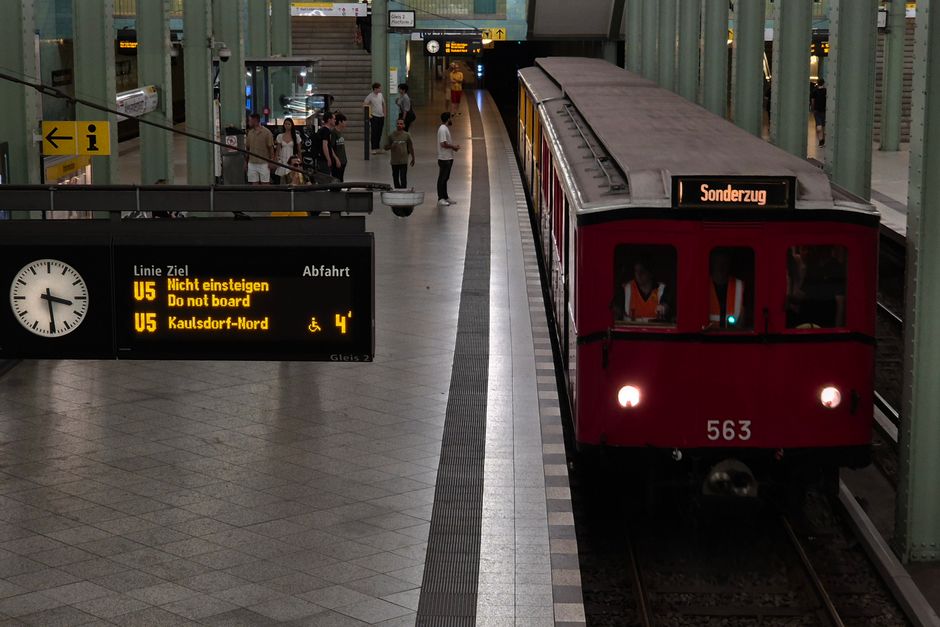
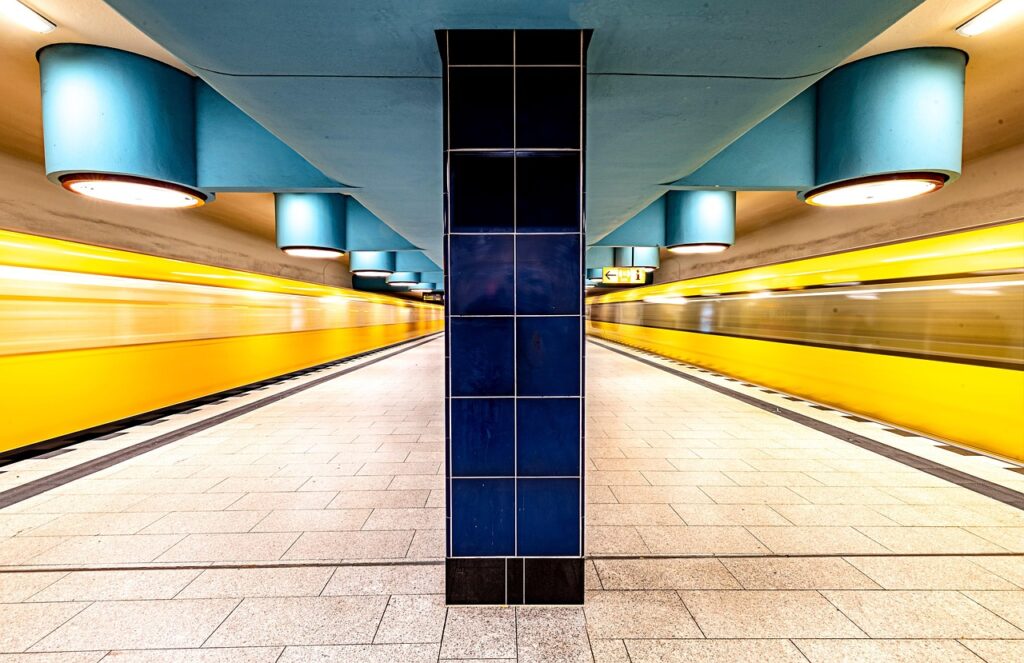
The U‑Bahn is the backbone of Berlin’s inner‑city transport: fast, frequent and dense in the centre and nearby neighborhoods. The network has 10 lines numbered U1 to U9 (U5 and U7 are among the longest) and serves mainly zones AB. Trains are identifiable by their blue and yellow logo and modern long carriages on most lines. Trains typically run every 3–6 minutes during rush hour and every 5–10 minutes during the day.
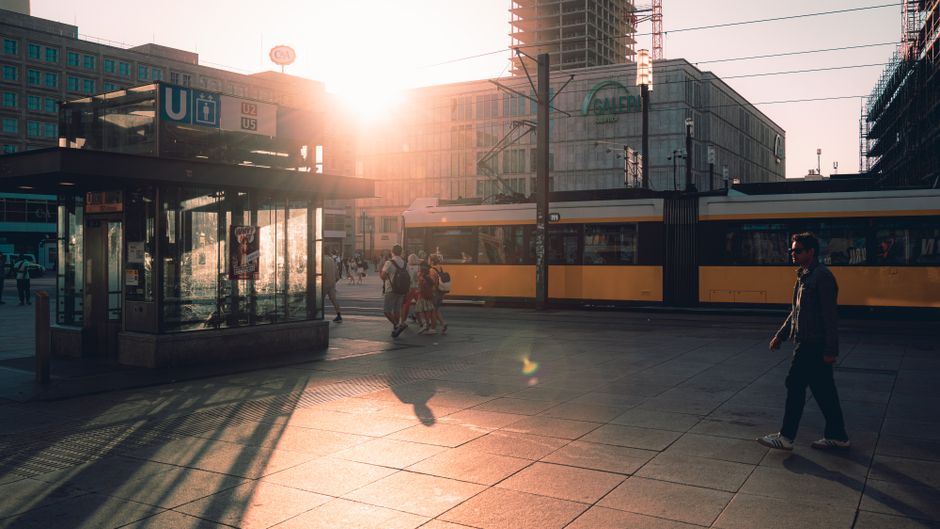
Hours: most U‑Bahn lines operate from about 4:30am to 1:00am on weekdays. On Fridays and Saturdays, many lines offer 24‑hour service on certain sections (check station displays or the BVG app). A concrete example: Alexanderplatz station (Alexanderplatz, 10178 Berlin) is served by U2, U5 and U8 — a central hub for transfers and access to night buses.
Access and connections: Berlin Hauptbahnhof (Europaplatz 1, 10557 Berlin) isn’t directly an U‑Bahn station but offers S‑Bahn and regional train connections. To get to the Ku’damm (Kurfürstendamm), use the Kurfürstendamm U1/U9 station, Kurfürstendamm 11, 10719 Berlin. For Museum Island, get off at Alexanderplatz and walk or hop on a bus — the closest U‑Bahn access points for the museums are Hackescher Markt (Hackescher Markt, 10178 Berlin) and Alexanderplatz.
Indicative fares (2024): a single ticket for zones AB is generally around €3.20 (indicative; check current prices on bvg.de). Children under 6 travel free; youths and students may have discounts depending on status. For multiple trips, the day ticket AB costs about €8.80; 7‑day tickets and monthly subscriptions vary by zone and eligibility. The Deutschlandticket (national monthly pass) is €49.00/month and covers most regional and urban transport within the valid zones — useful if you’re staying for at least a month.
- Practical tip: always validate your ticket before boarding at the yellow validators or via the BVG Ticket app.
- Safety tip: keep an eye on your belongings during rush hour; pickpocketing is rare but can happen.
- Route hack: to avoid long walks during transfers, favor same‑platform transfers (indicated by white and blue signs).
S‑Bahn: the suburban network linking city and outskirts
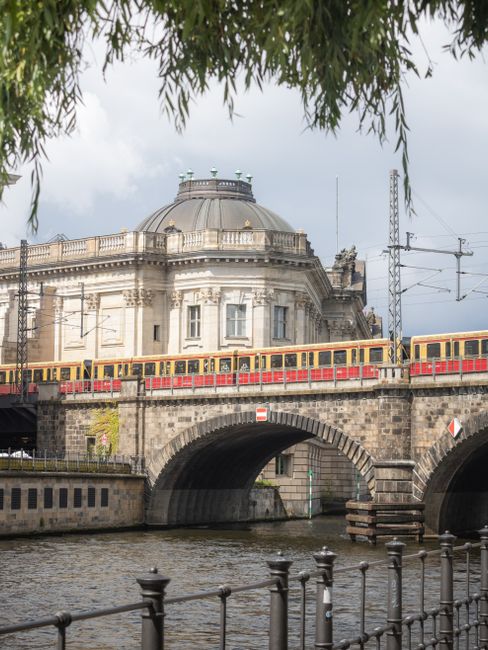
The S‑Bahn (Schnellbahn) is the backbone for inter‑neighborhood and suburban trips in Berlin. Unlike the U‑Bahn, the S‑Bahn often covers longer distances, runs on the surface and serves major stations and suburbs. Lines are marked with an S and a number (S1, S2, S5, S7, S75, etc.). The Ring (S41/S42) runs in a loop around the city centre and is indispensable for getting your bearings.
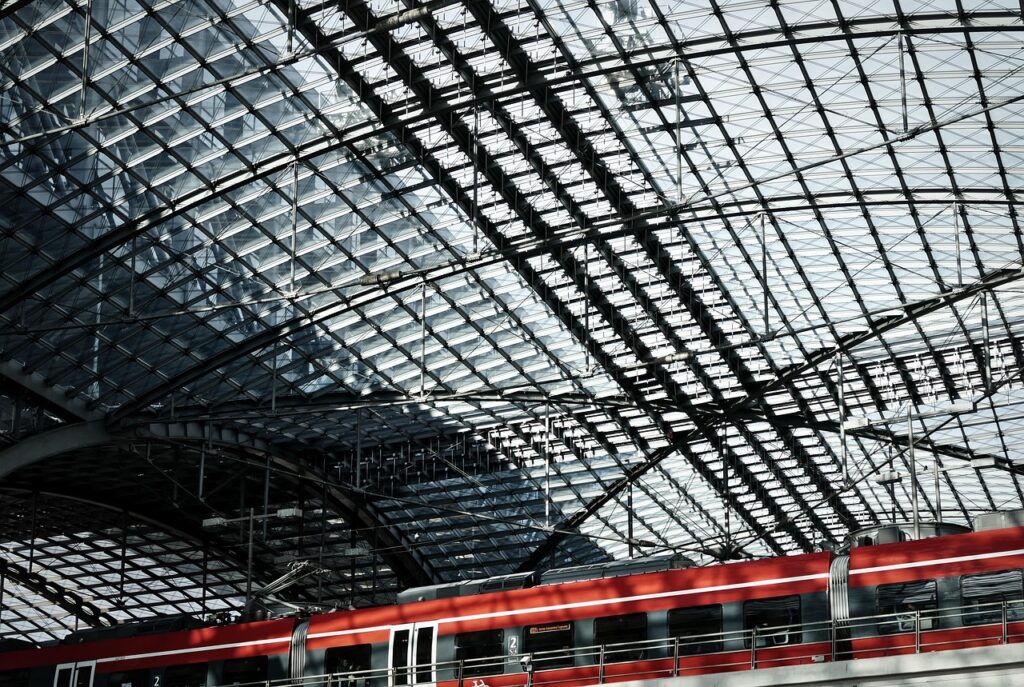
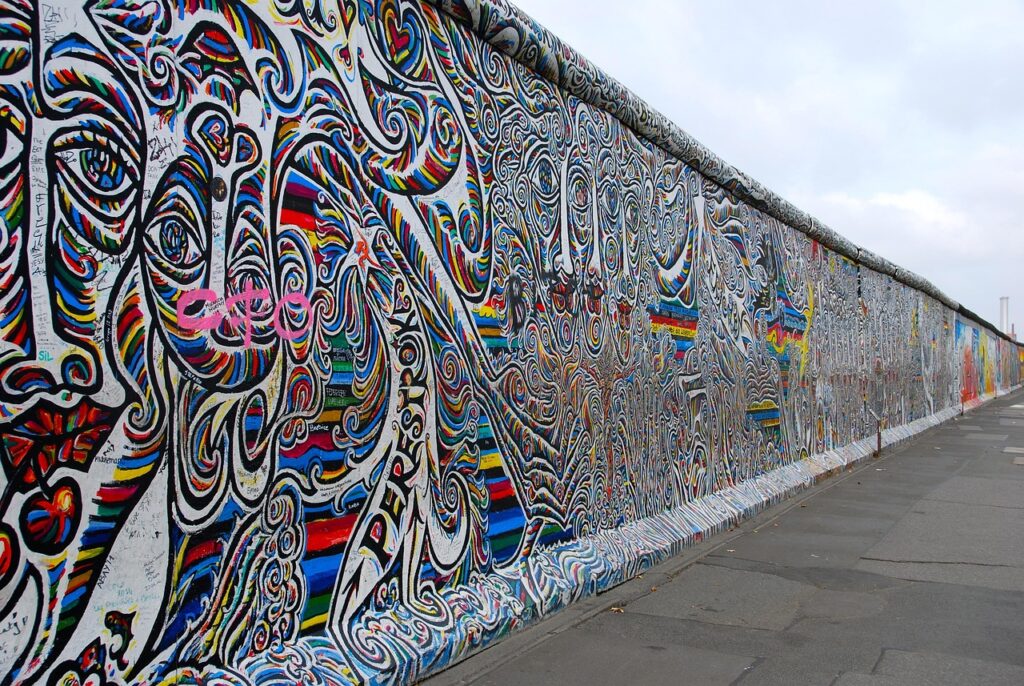
Hours: the S‑Bahn generally runs from about 4:30am to 1:00am on weekdays, with night services on some lines during weekends. Frequencies are typically every 5–10 minutes in central sections during the day. Important access points: Berlin Hauptbahnhof (Europaplatz 1, 10557 Berlin) is a major hub where S‑Bahn, regional trains (RE), ICE and IC converge; Ostbahnhof (Am Ostbahnhof 1, 10243 Berlin) is useful for reaching Friedrichshain and the East Side Gallery.
Fares and differences with the U‑Bahn: fares are integrated within the BVG/VBB system (Verkehrsverbund Berlin‑Brandenburg). An AB ticket (≈ €3.20, indicative 2024) covers both S‑Bahn and U‑Bahn within Berlin’s AB zone. To travel to Berlin Brandenburg Airport (Flughafen Berlin Brandenburg “Willy Brandt”, Flughafen BER Terminal 1-2, 12529 Schönefeld), the S‑Bahn S9 serves the airport from the city (travel time from Alexanderplatz: ~35 minutes).
- Practical tip: use the Ring (S41/S42) to bypass the centre without changing multiple lines.
- Time‑saving tip: for trips to Potsdam, Prenzlau or other suburbs, choose faster S lines or regional trains (RE/RB) depending on the terminus.
- Safety & comfort: buses and S‑Bahn allow bikes at certain hours (check door pictograms and peak‑time restrictions).
Tram (Straßenbahn): the eastern heart — practical and frequent
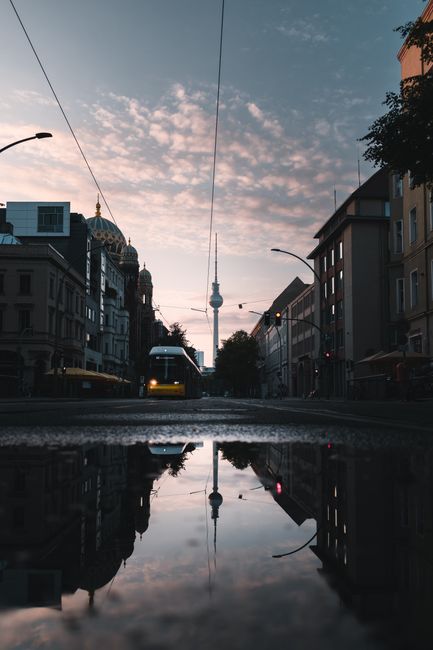
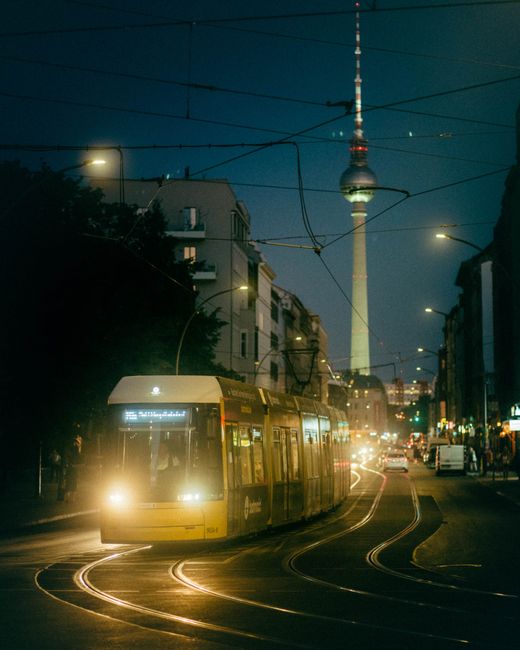
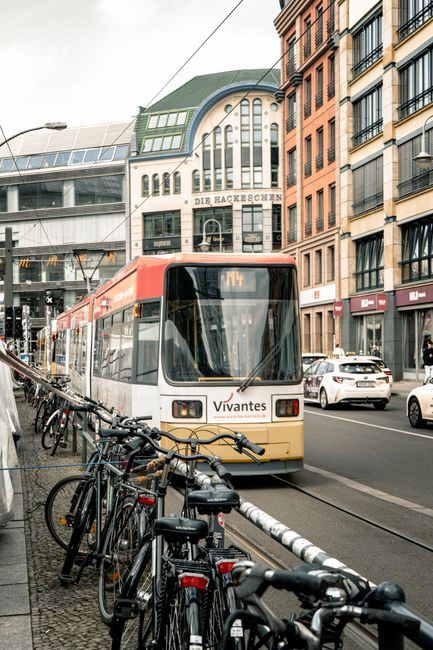
The tram is particularly dense in eastern Berlin (the former GDR districts) and is often the fastest way to get around Prenzlauer Berg, Friedrichshain, Lichtenberg or Pankow. Tram lines (M1, M2, M4, M10, etc. — the “M” for “Mittel” indicates a high‑frequency rapid line) run on the surface and offer comfortable rides for short journeys.
Hours: trams generally run from about 4:30am to 1:00am on weekdays, with night services on specific lines during weekends. Frequencies range from 5–10 minutes on main routes (for example the M10, heavily used between Warschauer Straße and Nordbahnhof). To reach popular spots: get off at Warschauer Straße S‑Bahn / U‑Bahn (Warschauer Straße, 10245 Berlin) for Friedrichshain nightlife and the East Side Gallery (Mühlenviertel/East Side Gallery is a 2–10 minute walk depending on where you arrive).
Fares: tickets are the same as for U‑Bahn and S‑Bahn (unified system). A single AB ticket remains ≈ €3.20 (indicative 2024). You can buy tickets from platform machines, kiosks or the BVG app. Note: there’s no routine onboard ticket check at tram entry — if inspected later without a valid ticket, fines are steep (usually > €60).
- Local tip: the tram is ideal for visiting the lively Mauerpark (Mauerpark, Gleimstraße 55, 10437 Berlin) on Sundays for the flea market and outdoor karaoke.
- Photo tip: the M10 ride between Alexanderplatz and Warschauer Straße provides classic facade views and neighborhood life — stand on the front platform for the best shots.
- Accessibility: most modern trams have low floors for strollers and wheelchairs, but check station signage to be sure.
Cycling in Berlin: renting, riding, rules and recommended routes
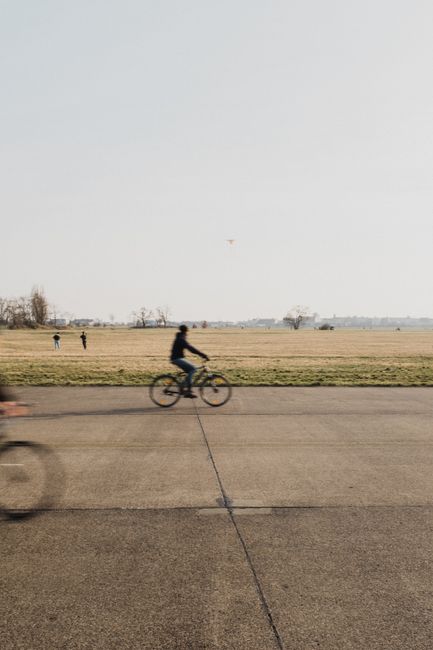
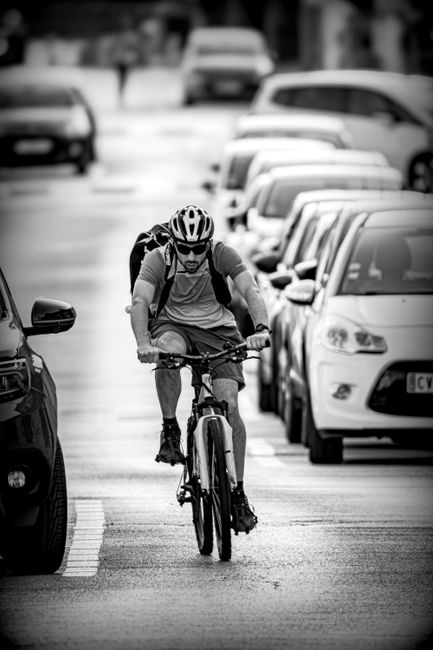
Berlin is a bike‑friendly city: large but flat, with an extensive network of bike lanes (Radwege) and protected bike lanes in many neighborhoods. For short trips (2–6 km) bikes are often faster and let you reach corners that the metro doesn’t serve. Recommended rides include routes along the Landwehrkanal, loops around the Tiergarten, and crossing Tempelhofer Feld (the former airport turned public park).
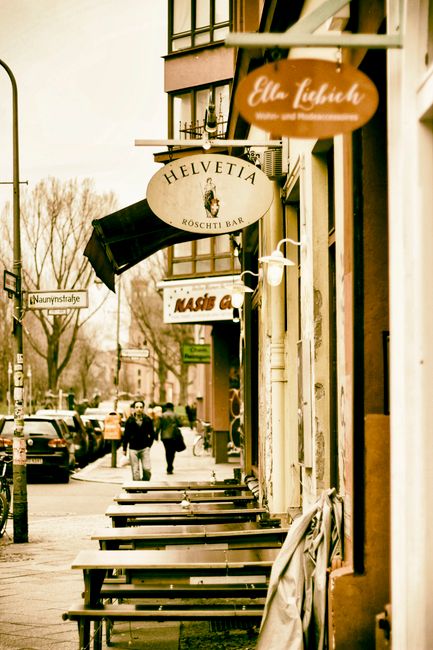
Short‑term rentals: plenty of options — bike‑share stations like Nextbike, Lime and Donkey Republic. Indicative prices: Nextbike often offers the first 30 minutes for about €1.00 then €0.50–1.00/15 minutes depending on the operator; Lime scooters usually cost €1.00 to unlock + €0.20–0.30/minute. For a full day from a traditional shop expect €12–20/day for a comfortable city bike. Rental shop examples and longer‑term options: Fahrradstation am Hauptbahnhof, Europaplatz 1, 10557 Berlin (workshop and short‑term rental), and numerous Nextbike stands near major stations.
Recommended routes:
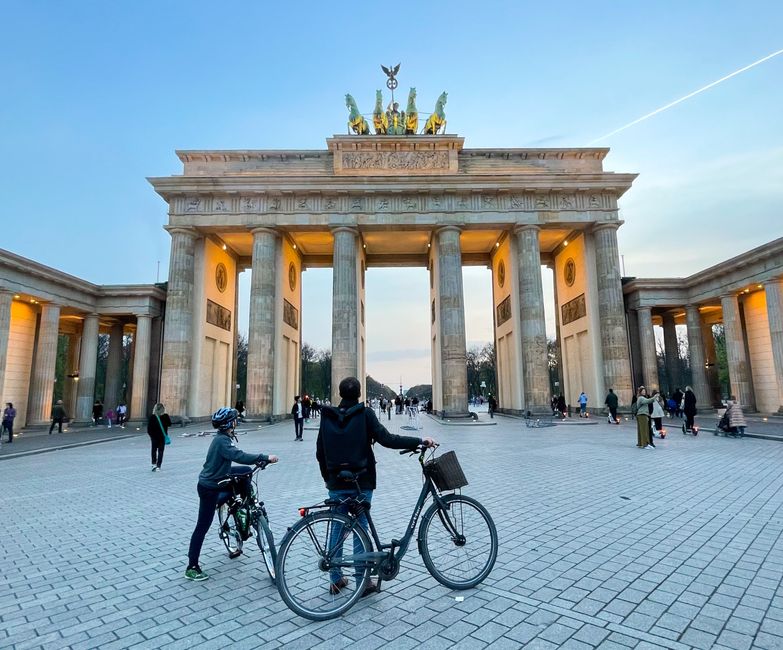
- Tiergarten Loop: start at Brandenburger Tor (Pariser Platz, 10117 Berlin) and circle the Tiergarten, about 5–8 km — perfect for a calm morning ride.
- Landwehrkanal → Kreuzberg: follow the canal to discover cafés and galleries, get off near Paul‑Lincke‑Ufer and the iconic Markthalle Neun (Eisenbahnstraße 42/43, 10997 Berlin).
- Tempelhofer Feld: main entrance at Tempelhofer Feld, Tempelhofer Damm 11, 12101 Berlin — a huge open space for cycling, skating and picnics.
Rules & safety: obey traffic lights and colored bike lanes; helmets aren’t mandatory but are recommended. Bikes ride on the right; sidewalks are for pedestrians unless otherwise indicated. If it rains, wear waterproof gear and prefer wider tires for better grip on wet cobbles. Always lock your bike with a U‑lock — bike theft is still common.
Practical tips, tickets, apps and money‑saving tricks
Managing mobility in Berlin often means mixing different modes. Here are concrete tips to plan journeys, avoid fines and save money:
- Validation: always validate your ticket before boarding at the yellow validators in stations or via the BVG app. Spot checks are frequent and fines can exceed €60.
- Tickets & passes: for a short stay the day ticket AB (~€8.80) can be worthwhile if you make several trips. For a month the Deutschlandticket (€49.00/month) is often the best option. Tourists can also buy the Berlin WelcomeCard (includes museum discounts): 48h/72h prices vary (≈ €21–36 depending on options and zones).
- Useful apps: BVG Fahrinfo (timetables and purchases), Google Maps / Citymapper (multimodal routing), Nextbike / Lime (bike/scooter hire), DB Navigator (regional trains and S‑Bahn), and Maps.me for offline navigation.
- Night systems: S‑Bahn night trains run on weekends; otherwise use night buses (N lines). Specific schedules are on bvg.de and at stop displays.
- Accessibility: many U‑Bahn stations still lack elevators; if you need step‑free access prefer major S‑Bahn stations and Hauptbahnhof which have lifts and improved access.
- In case of strikes: if BVG/DB services are disrupted, use shared bikes or the alternative bus network, and check updates on bvg.de and official social channels.
Insider tip: to visit several museums in one day, plan U‑Bahn plus walking routes — Museumsinsel and the Kulturforum are near different stations; buy the Berlin WelcomeCard if you want unlimited transport and museum discounts. To avoid crowds, ride the U‑Bahn before 9am or between 1pm and 4pm on weekdays.
Conclusion — Choose the right mode for your needs and the experience you want
Getting around Berlin is both simple and flexible. The U‑Bahn gives you speed and frequency in the urban core; the S‑Bahn links city and suburbs — great for the airport or Potsdam; the tram is indispensable in the east for short trips and a more « local » feel; and cycling is the most pleasant way to experience the city at your own pace. Fares are integrated via BVG/VBB and there are options for every profile: single tickets for quick hops, day tickets for active tourists, Deutschlandticket for longer stays or regular commuters.
Always check real‑time schedules and fares via the official apps (BVG, DB) or station displays. Lock your bike, validate your ticket before boarding and avoid peak hours for a calmer experience. Finally, leave room for the unexpected: Berlin is a city where you often stumble upon charming streets, markets and cafés by changing lines or hopping off a tram at random. Safe travels and enjoy the discoveries!