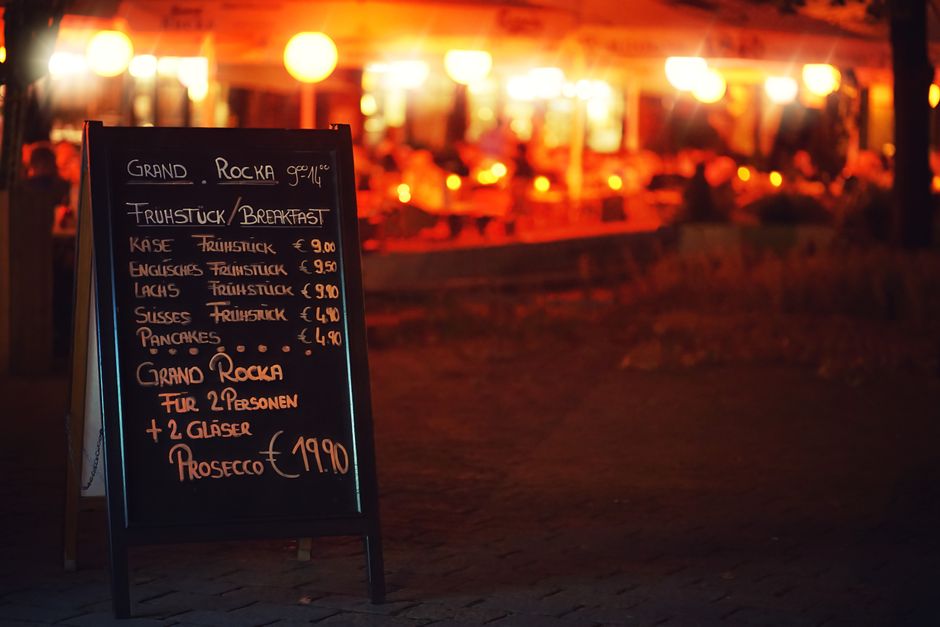






Introduction — Why being able to read a German menu matters for vegans in Berlin
Berlin is often billed as Europe’s vegan capital: whole neighborhoods are packed with fully vegan restaurants, cafés offering endless plant milks, and specialty organic shops. But the day-to-day reality when you travel to Berlin (or live here) is more nuanced: not every place is labelled “vegan” and many menus are in German. Knowing how to read a German menu, spot hidden ingredients, and ask the right questions will save you time, prevent dietary mishaps, and let you fully enjoy Berlin’s food scene.
This practical guide gives you a step-by-step method, checklists, and concrete examples of phrases and terms to look for or avoid. It’s designed to be used on the spot: before you walk into a restaurant, at the counter, or when talking to the server. You’ll also find specific spots in Berlin to test your new skills, price ranges, and opening hours to plan your outings. Each step includes phrases to use in German and in English, visual equivalents of key words, and local tips to avoid common mistakes.
This guide is aimed at several profiles: the time-pressed traveler who wants to find a vegan dish quickly in touristy areas, the expat who eats out regularly and needs to decode more elaborate menus, and the curious foodie who wants to recognize hidden ingredients (gelatin, animal rennet, meat broths). By the end you’ll not only have the essential German vocabulary, but also a concrete “toolbox”: printable checklists, phrases to memorize, and a curated list of Berlin restaurants and street stalls with addresses, prices and opening times.
Two practical notes before we start: 1) Berlin has lots of “vegetarian” options (vegetarisch) but not all are vegan (vegan). Check for eggs, butter or animal cheese; 2) many places now mark menu items with a symbol (V, VG, vegan) — but don’t trust labels blindly: always ask “Ist das vegan?” or “Is this vegan?”. This guide will show you how to ask those questions politely and effectively.
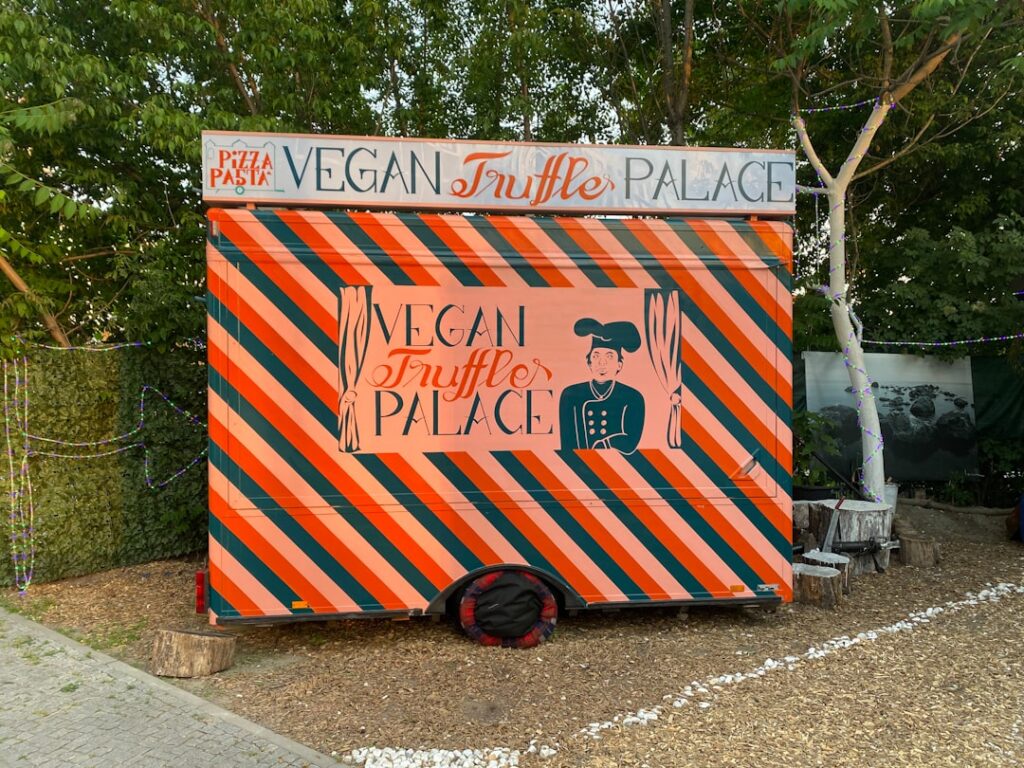
1) Systematic reading of a German menu: key vocabulary and common pitfalls
Always start with a quick visual scan of the menu: look for obvious labels (vegan, VG, V). Then read item descriptions closely to spot non-vegan ingredients. Here’s the most useful vocabulary, grouped by category, with translations and concrete examples to watch for on dishes.
- Positive words (indicating possible vegan) :
- vegan — vegan (clear, direct)
- pflanzlich — plant-based
- pflanzliche Alternative — plant-based alternative (often for milk, mayonnaise, etc.)
- ohne tierische Produkte — without animal products (a safe formulation)
- Neutral/needs checking :
- vegetarisch / vegetarische — vegetarian: often contains eggs or cheese
- Mayonnaise — may or may not be vegan: ask “mit Ei?”
- Bratling / Frikadelle — patty: can be plant-based or meat-based
- Words to avoid or always check :
- Fleisch, Rind, Schwein, Hähnchen — meat, beef, pork, chicken
- Fisch, Lachs, Thunfisch — fish, salmon, tuna
- Brühe, Bouillon — often meat-based: “Gemüsebrühe” = vegetable broth (safe)
- Gelatine / Gelatine — gelatin (animal-derived)
- Butter, Sahne, Schmand, Creme — butter, cream (dairy)
- Käse, Mozzarella, Parmesan — cheese (often made with animal rennet)
- Ei, Eier — egg(s)
Specific traps:
- “Mayonnaise” and “Aioli”: these can be egg-based. Ask “Ist die vegan?” or “Ist Ei drin?” (is there egg?).
- “Broth”: soups described as “mit Brühe” are often meat-based unless they explicitly say “Gemüsebrühe” (vegetable broth).
- Unlabelled “veganized” cheeses: some menus list “mit Käse” without specifying if it’s plant-based — ask “ist das pflanzlicher Käse?”.
Key phrases to use:
- Ist das vegan? — Is this vegan?
- Enthält das Ei oder Milchprodukte? — Does this contain eggs or dairy?
- Ist die Brühe vegetarisch/vegan? — Is the broth vegetarian/vegan?
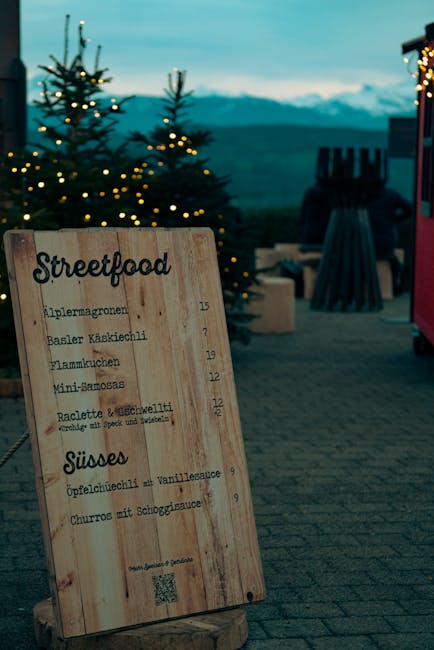
2) Step by step: how to order vegan at a restaurant (checklist and handy phrases)
Here’s a 7-step routine you can follow every time you face a German menu in Berlin. Keep this checklist printed or in your phone.
- Look for symbols — Search for “vegan”, “V”, “VG”. If present, read the description but move to step 3. (Time: 10–30 seconds)
- Scan visible ingredients — Spot the words listed in the previous section (Käse, Ei, Brühe). If one appears, mark it to check. (Time: 30–60 seconds)
- Check sauces/seasonings — Even if the main item is plant-based, sauces can contain butter, meat broth or grated cheese. Ask “Enthält die Sauce Milch/Butter/Ei?”. (Time: 30–60 seconds)
- Ask about substitutions — Many Berlin restaurants will swap butter for oil or cheese for a vegan alternative. Phrase: “Können Sie das ohne Käse/Butter/ Ei zubereiten?” (Can you prepare it without cheese/butter/egg?) (Time: 1–2 minutes)
- Confirm cooking methods — Fried items may be cooked in the same oil as meat. Ask “Wird das in gemeinsam genutztem Fett frittiert?” (Is this fried in shared fat/oil?) (Time: 30–60 seconds)
- Check desserts — Many desserts contain gelatin or egg whites. Ask “Enthält der Nachtisch Gelatine oder Eiweiß?” (Time: 30–60 seconds)
- Repeat the order — Once the modification is accepted, repeat: “Also ohne Käse und mit pflanzlicher Milch, bitte” to avoid misunderstandings.
Quick printable checklist (tick boxes):
- Vegan symbols visible?
- Contains Käse/Ei/Butter/Brühe?
- Sauce confirmed animal-product-free?
- Shared frying oil?
- Modification possible? Extra cost?
- Dessert: gelatin/eggs?
Short phrases to keep on your phone:
- Ist das vegan? — Is this vegan?
- Enthält das Milch/Ei/Gelatine? — Does this contain milk/egg/gelatin?
- Können Sie das ohne Käse/Butter zubereiten? — Can you prepare it without cheese/butter?
- Gibt es eine pflanzliche Alternative? — Is there a plant-based alternative?
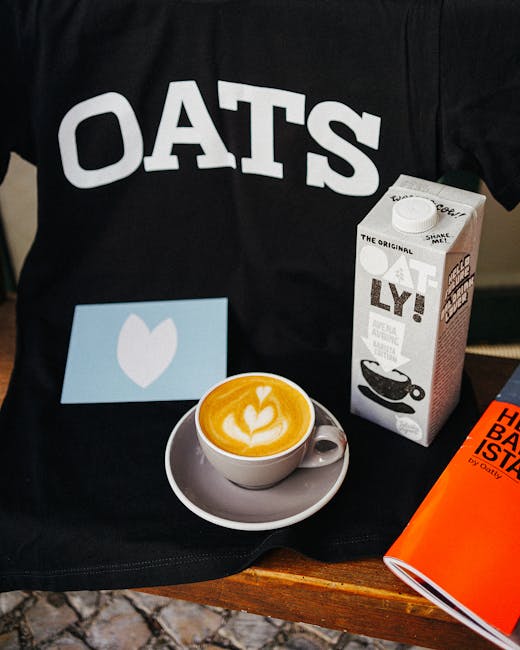
3) Guidelines by restaurant type: street markets, Currywurst, traditional and fine-dining places
Berlin offers several dining formats: street stalls (Imbiss), Currywurst stands, traditional German restaurants (Stube/Beisl), and fine-dining restaurants. Each has specific pitfalls and opportunities for finding vegan food. Here’s how to approach each type.
Street stalls and markets (Imbiss, Street Food): these places are fast and often flexible. Many offer vegan or adaptable options. Concrete example: Curry 36, Mehringdamm 36, 10961 Berlin — famous for Currywurst; they now offer a vegan Currywurst option (price roughly €4.50–6.00 depending on size). Typical hours: 10:00–02:00 (check on site). Tip: ask “Vegane Currywurst?” before queuing.
Traditional German restaurants: often heavy on dairy products and meat broths. Precision is key here. Example phrase: “Ist die Brühe mit Fleisch? Können Sie stattdessen Gemüsebrühe verwenden?” Many Stuben in Mitte or Charlottenburg will prepare custom dishes at lunchtime (main course price around €8–16 depending on the neighborhood).
Fine dining / gastronomy: demand precise information. In Berlin, restaurants like Kopps (Linienstraße 94, 10119 Berlin) offer 100% vegan tasting menus (menu price approx. €55–85 per person depending on tasting; reservations recommended). Typical hours: often 18:00–22:00, closed on Sundays or Mondays. Fine dining chefs enjoy the challenge and can often create a vegan menu on request.
Chains and cafés: many chains (Starbucks, local cafés) now offer plant milks (soy, oat, almond) often for an extra €0.30–0.70. Ask “Pflanzliche Milch bitte” to get a vegan coffee. Some cafés like Brammibal’s Donuts have 100% vegan shops (check their site for exact locations). Donut prices: €2.50–3.50.
Quick local tips:
- If a dish looks vegan but lacks a label, always ask about the sauce composition.
- At markets (Markthalle or street food markets like Markthalle Neun, Eisenbahnstraße 42/43, 10997 Berlin) vendors usually display ingredients — perfect for trying several small things at low cost (€4–9 per portion).
- High-end restaurants often charge extra for substitutions, check the cost before agreeing.
4) Real-life menu decoding examples: practical cases encountered in Berlin
Here are sample excerpts of German menus you might see in Berlin (fictional but realistic), followed by a step-by-step analysis and the recommended action. Use these models to practice spotting traps.
Example A — Bistrot dish:
“Kartoffel-Gemüse-Pfanne mit Kräuter-Butter und Parmesanspänen”
- Quick translation: Potato and vegetable skillet with herb butter and parmesan shavings.
- Problems: Kräuter-Butter (butter), Parmesanspänen (parmesan).
- Action: Ask “Können Sie das bitte ohne Butter und Parmesan zubereiten?” — if yes, check whether there’s an extra charge. Alternative: request “pflanzliche Margarine” or olive oil.
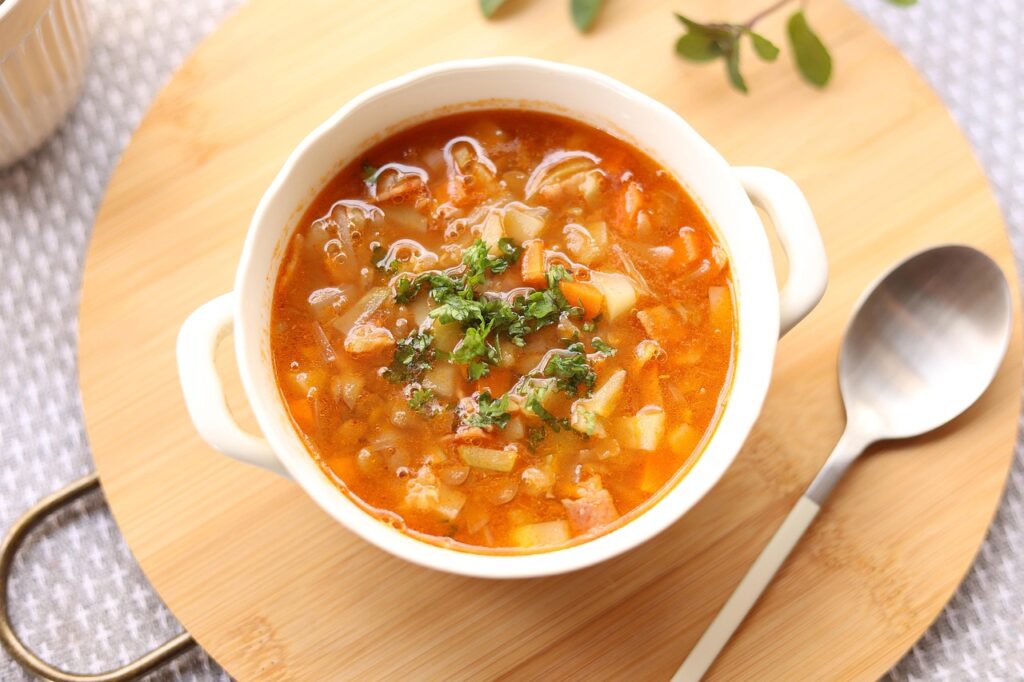
Example B — Soup:
“Tomatensuppe mit Crème fraîche und Rinderbrühe”
- Translation: Tomato soup with crème fraîche and beef broth (Rinderbrühe).
- Problems: beef broth and crème fraîche.
- Action: Ask if it can be made with “Gemüsebrühe” and without crème: “Statt Rinderbrühe Gemüsebrühe? Ohne Crème fraîche?” If they say the soup is prepared in bulk, better choose another dish.
Example C — Street food:
“Döner mit Lammfleisch, Salat, Joghurtsoße”
- Translation: Döner with lamb, salad, yogurt sauce.
- Problems: meat, yogurt sauce.
- Action: Look for a vendor offering a plant-based Döner (increasingly common), e.g. Vöner variants or stalls marked “veganes Döner.” If none, opt for falafel without yogurt sauce and say “Ohne Joghurtsauce, bitte.”
Example D — Fine-dining plate:
“Sellerie-Variation, Haselnusscrème, Apfelgelee, Rinderjus”
- Translation: Celery variation, hazelnut cream, apple jelly, beef jus.
- Main problem: Rinderjus (meat jus).
- Action: Ask if the chef can replace the jus with a reduced vegetable jus or a vegetable stock. In fine-dining places this is often possible but may come with a surcharge (e.g. +€10–20).
5) Practical addresses in Berlin to test your skills (with hours and price ranges)
Here’s a curated list of Berlin spots, vetted by the vegan community, where you can immediately apply what you’ve learned. I’ve included full addresses, usual opening times (check public holidays) and price ranges. These spots span street food to fine dining.
- Curry 36 — Mehringdamm 36, 10961 Berlin. Hours: generally 10:00–02:00 (late hours). Vegan Currywurst option: €4.50–6.00. Tip: peak time is 18:00–22:00 in the evening; go earlier if you can.
- Kopps (fine dining vegan) — Linienstraße 94, 10119 Berlin. Hours: typically dinner 18:00–22:00, closed some Sundays. Vegan tasting menu: €55–85 (reservation recommended). Full address and booking via their site.
- Brammibal’s Donuts (vegan donuts) — Maybachufer Market stall / shop (check exact location by day). Market hours: Maybachufer market on Tuesday and Friday mornings; shops often open 09:00–18:00. Price: €2.80–3.50 per donut.
- Markthalle Neun (street food hall) — Eisenbahnstraße 42/43, 10997 Berlin. Hours: vendors vary; Street Food Thursday 17:00–22:00. Prices: street food portions €4–9 depending on vendor. Great for comparing labels and asking about ingredients.
- Vöner (vegan döner) — several locations across Berlin, example: Boxhagener Str. 103, 10245 Berlin (verify current location). Hours: often 12:00–22:00. Price: vegan Döner €4.00–6.00.
- Veganz (vegan supermarket) — multiple locations; a notable spot: Greifswalder Str./Prenzlauer Berg (check exact address). Hours: typically 09:00–20:00. Useful for buying substitutes (plant milks, vegan cheeses) and reading German labels.
Note: hours and prices change — I recommend checking official pages or Google Maps before you go. In Berlin, street vendors can close early on weekdays or vary seasonally; fine-dining spots require reservations, especially on weekends.
Conclusion — Practical summary and action plan for your next meals in Berlin
Reading a German menu to spot vegan options in Berlin becomes quick and almost automatic if you follow the method outlined: spot labels, scan for risky vocabulary (Käse, Ei, Brühe), question sauces and frying oil, and don’t hesitate to ask for substitutions. Practice the key phrases (Ist das vegan? Enthält das Ei? Können Sie das ohne Käse zubereiten?) and always keep your checklist handy — on your phone or printed.
Concrete action plan for your next outing:
- Before you go out, pick 2 restaurants/stalls from the list above. Check opening hours on Google Maps or the official site. (5 minutes)
- On arrival, look at the menu at the entrance to quickly spot “vegan” or suspicious words. (1–2 minutes)
- If unsure, ask a short question to the server (in German or English). Repeat their answer to confirm. (1–3 minutes)
- If you modify a dish (no cheese, with vegetable broth), ask if there’s an extra charge before agreeing. (30 seconds)
- After the meal, note the exact menu wording and the staff’s answer on your phone — this builds your personal database for future meals. (30–60 seconds)
Remember Berlin is very accommodating to vegans: from street food vendors offering alternatives, cafés with plant milks, to fine-dining restaurants ready to adapt their dishes, you have all the tools you need. The most important things: be precise in your questions, polite but firm about your needs, and use the checklist every time. With a little practice (just a few meals), you’ll immediately recognize risky formulations and know which alternatives to ask for.
Enjoy your meal in Berlin — and enjoy your meal! If you’d like, I can prepare a bilingual (German/English) printable card with key phrases and the checklist, formatted to slip into your wallet.