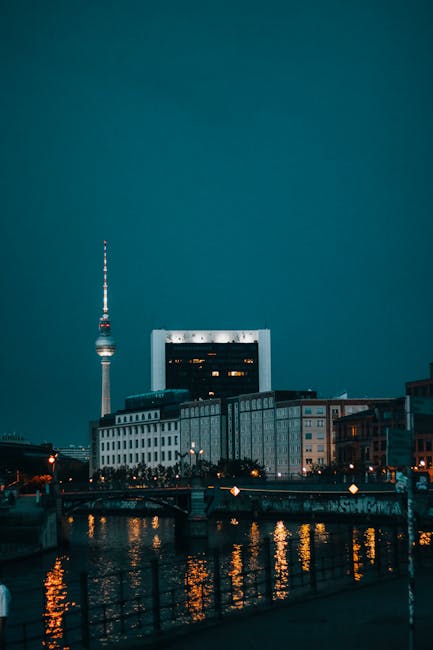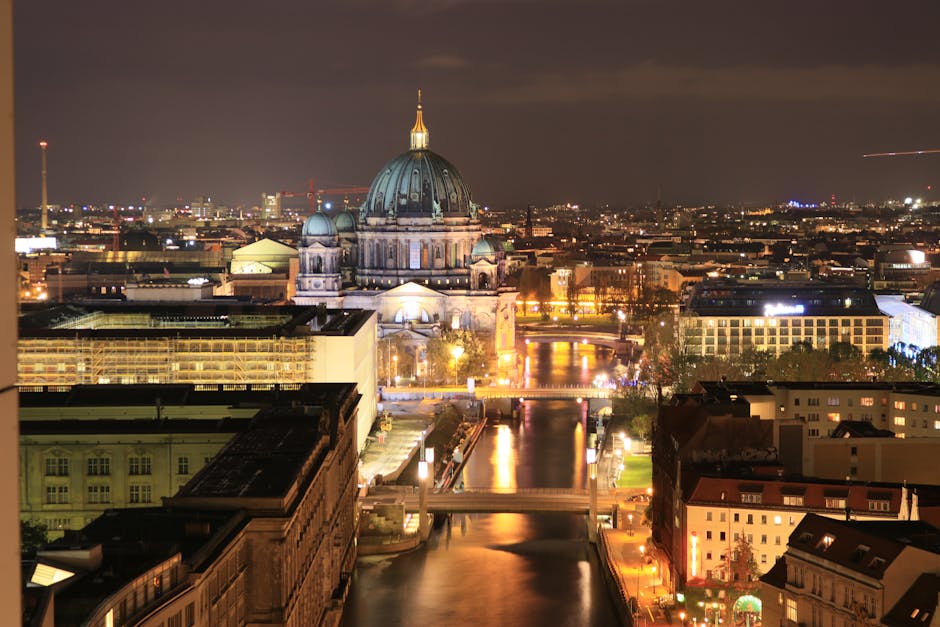






Introduction — Why spend the night in Berlin: a Berliner’s overview
Berlin at night is a living organism, breathing to the rhythm of trams, electronic music, conversations on terraces and urban lighting. As a Berliner (born and raised here), I offer a guide that mixes safety, nightlife and realism: where to sleep, where to go out, how to get around, which neighborhoods to avoid surprises in, and which spots deserve a nighttime visit to grasp the city’s soul. This article isn’t just another tourist ranking; it’s built to give you concrete routes, exact addresses, indicative prices in euros, opening hours and local tips — everything you need to plan a safe, memorable night in Berlin.
Berlin is vast and split into micro-universes: Mitte is the tourist hub with upscale bars, Friedrichshain and Kreuzberg bring alternative nightlife, Neukölln draws young creatives with cheap terraces, while Charlottenburg offers calm and elegance with a few more traditional clubs and theatres. In a single night it’s common to cross three different atmospheres: a last-minute gig in a basement, a terrace lit by the golden light of a sunset over the Spree, then a queue outside a club where the doorman carefully selects who gets in. To understand the city you need to know its unwritten rules: how to behave with a bouncer, where to leave your things, which night transport lines really run, and which neighborhoods are generally safer for staying while keeping nightlife within reach.
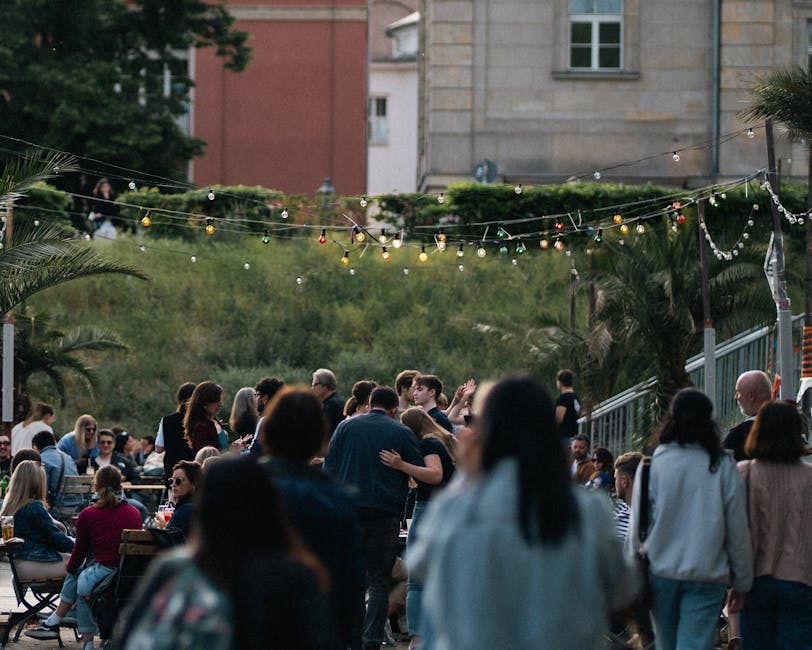
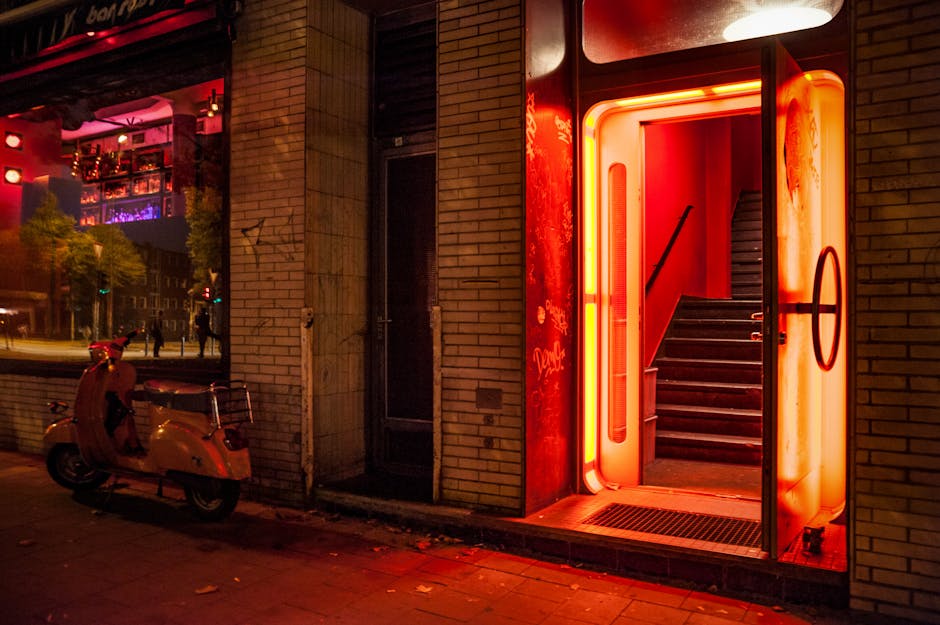
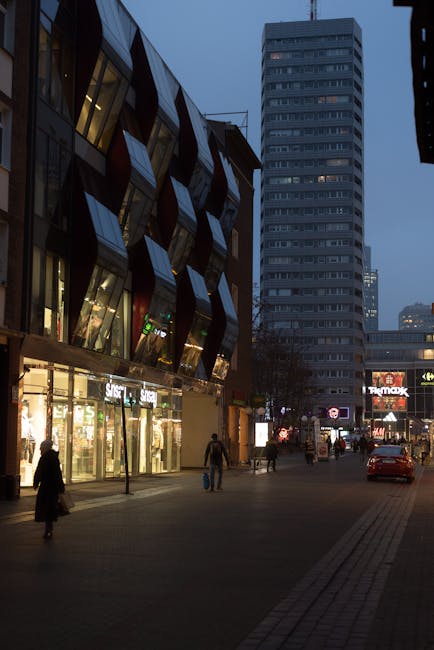
This guide is aimed at several profiles: travelers who want a lively night without taking risks, couples after a romantic evening followed by a safe urban stroll, and curious visitors wanting to dive into Berlin’s alternative culture. You’ll find accommodation recommendations, nightlife routes, late-night cafés and bars, iconic clubs (with addresses and approximate entrance fees), plus practical tips on payment, personal safety and night transport. I also include visual markers to help you picture the places: facade shots, crowd scenes, terraces with mood lighting, and the Spree’s banks under moonlight.
Before you go, keep this in mind: Berlin is relatively safe, but always keep your belongings secure, avoid deserted streets after 2 a.m. if you’re alone, and favor well-lit, busy areas. Berliners appreciate calm and politeness — a smile, a “Danke” and respectful behavior will always help. In the sections below I describe, neighborhood by neighborhood, the options for a successful night: where to sleep, what to visit, which streets to avoid, how to get there, and concrete prices to help you budget your stay.
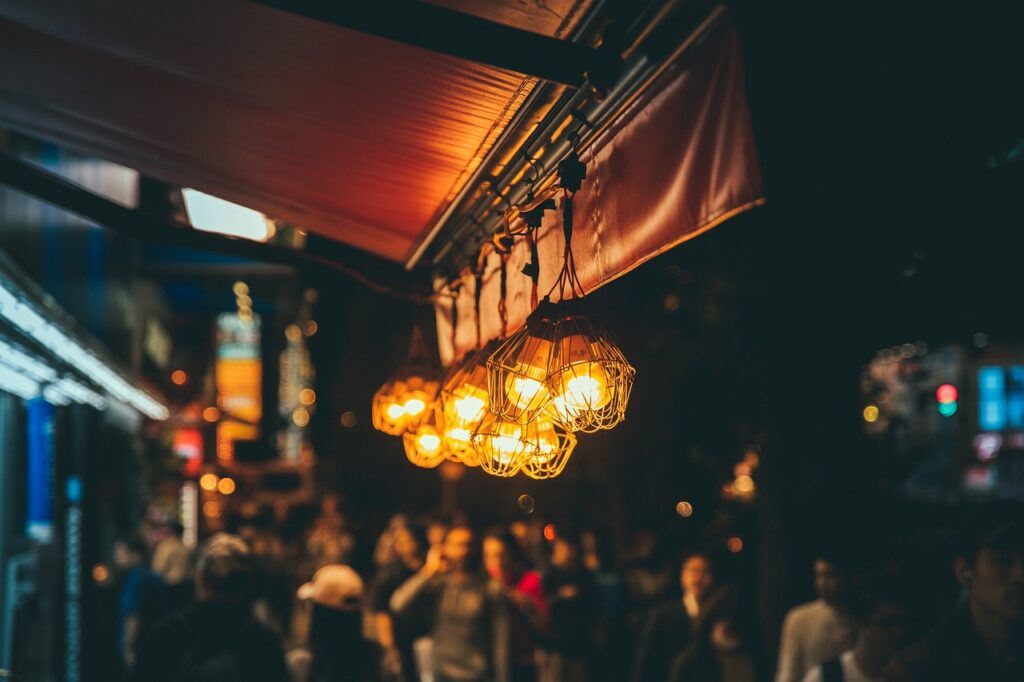
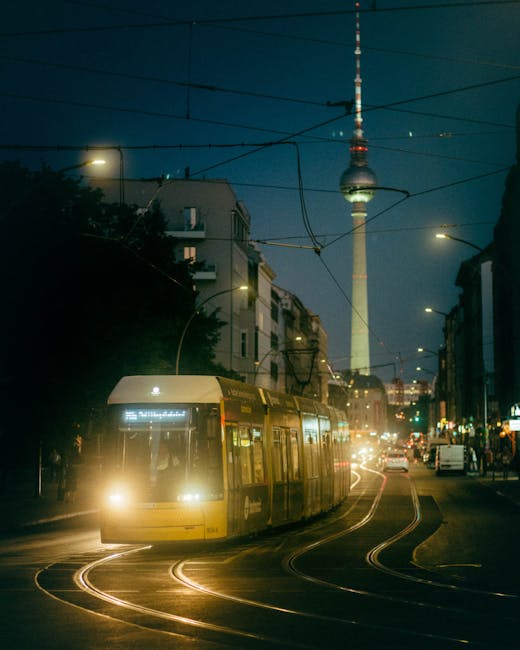
Mitte and Hackescher Markt — the lively, safe tourist heart
Mitte is Berlin’s historic and tourist center: easy to reach, well lit at night, and offering a wide variety of restaurants, bars and theatres. It’s an excellent place to stay if you want a balance between safety and buzz. Streets around Hackescher Markt, Rosenthaler Platz and Alexanderplatz stay busy late, with regular police patrols and a steady flow of tourists, which reduces the risk of minor incidents. Hotels here are pricier than elsewhere, but being close to public transport often makes up for it.
Recommended addresses and spots
- Hackescher Markt — 10178 Berlin. A lively square ringed with restaurants and bars. Access: S-Bahn Hackescher Markt (S3, S5, S7, S9).
- Monbijoupark — Monbijoustraße, 10117 Berlin. A pleasant park for a short, well-frequented evening walk.
- House of Small Wonder — Johannisstraße 20, 10117 Berlin. Late-opening café-restaurant, usually open 08:00–22:00, dishes from around €8 at lunch and cocktails €7–10.
If you’re after a more polished evening, head to Friedrichstraße: you’ll find theatres and lounge bars there. For a cultural plan, Museumsinsel (Bodestraße 1–3, 10178 Berlin) is beautiful at dusk — even though the museums close earlier (usually 10:00–18:00), the exterior views are spectacular.
Safety and transport
Transport: Mitte is served by many lines (U-Bahn U2, U6; S-Bahn S3, S5, S7, S9) and night buses (N lines). Indicative fare: single AB ticket about €3.80 (check current BVG prices), day-pass AB about €9–10. Taxis and ride-hailing services are widely available but cost more at night (short central trips €10–€20).
Local tips: avoid small, isolated streets in very touristy areas after midnight if you’re alone. Stick to main squares and avenues on foot. Bars around Hackescher Markt usually charge cocktails between €8 and €12. If you plan a dinner plus cocktails, budget roughly €40–60 per person for a full night out.
Kreuzberg and Friedrichshain — alternative scenes and iconic clubs
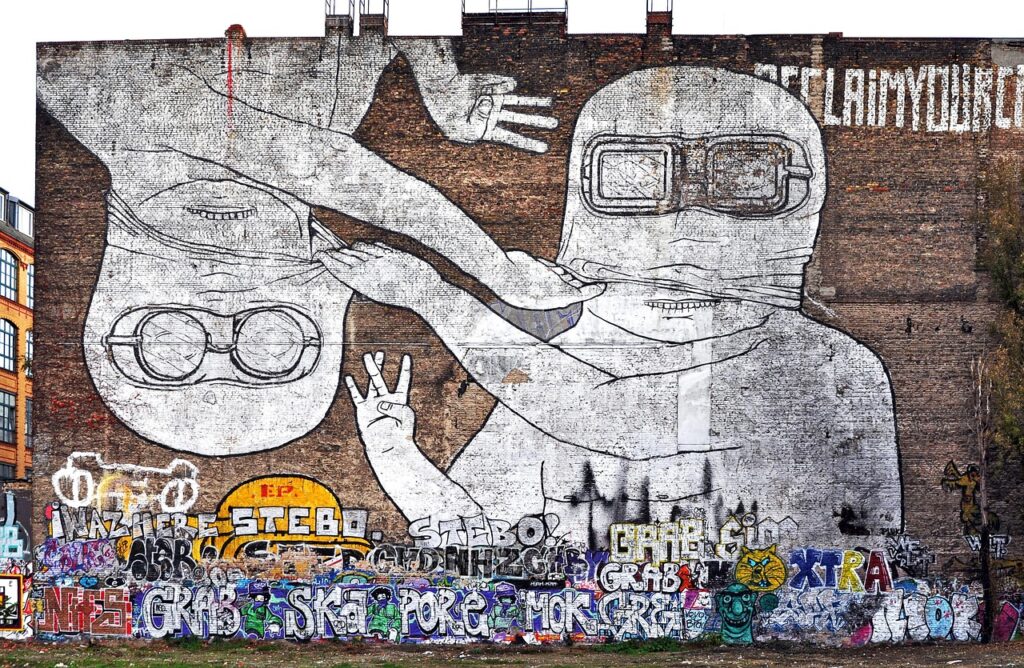
Kreuzberg and Friedrichshain embody Berlin’s alternative nightlife: neighborhood bars, international eats, techno clubs and artistic spaces. These areas are bustling and, despite the crowds and partying, remain generally safe if you follow a few basic rules: keep your belongings close, avoid confrontations, use public transport for returns, and check club entry policies (there can be strict door policies).
Iconic clubs and addresses
- Berghain / Panorama Bar — Am Wriezener Bahnhof 3, 10243 Berlin. World-famous techno club. Usual opening: Saturday night (around 23:00) until Monday morning (often past 10:00). Entrance: typically €18–€25 (cash sometimes preferred). Tip: dress understated, and don’t push if you’re denied entry.
- Watergate Club — Falckensteinstraße 49, 10997 Berlin (on the Spree bank). Hours: mainly open evenings and nights (Fri–Sat 23:00–06:00). Entry: around €12–€20. Spree view, techno/house line-ups.
- Sisyphos — Hauptstraße 15, 10317 Berlin (Rummelsburg). Festival-like vibe, very popular in summer. Hours: often opens weekends from 12:00 and closes Monday morning. Entry: €10–€25 depending on the program.
Bars and small venues: Kreuzberg is full of small bars (Adalbertstraße, Oranienstraße) where cocktails average €6–€9. For a terrace with a view, go to Klunkerkranich (Karl-Marx-Straße 66, 12043 Berlin — the Neukölln Arcaden rooftop). Hours: often 12:00–23:00 (later on some nights), sometimes free entry, drinks €4–€8.
Night safety and etiquette
These neighborhoods are festive but can get noisy and crowded. Golden rule: respect residents (avoid shouting in residential areas after 22:00). Club security may include searches and restricted phone use inside. Bring cash for club entry (places like Berghain sometimes accept cash only), and carry ID. If you’re unsure about walking a route at night, take a taxi or a night bus (N lines). Late-night street food stalls (Curry 36, Mehringdamm 36, 10961 Berlin — open late) are great for a midnight snack: a currywurst costs around €3–€5.
Neukölln and Prenzlauer Berg — terraces, late cafés and quieter stays
Neukölln has risen in recent years as a hotspot for relaxed nights: informal terraces, affordable cocktail bars and small clubs. It’s a good compromise for those who want to be close to the party while enjoying cheaper accommodation. Prenzlauer Berg, by contrast, is more residential and family-oriented, with lots of mellow cafés and bars — perfect for a gentler night after a day of sightseeing.
Useful addresses and opening hours
- Klunkerkranich — Karl-Marx-Straße 66, 12043 Berlin (Neukölln Arcaden, rooftop). Hours: typically 12:00–23:00 (later some nights). Drink prices: €4–€8. Panoramic city views.
- Tempelhofer Feld — Tempelhofer Feld, 12101 Berlin. Former airport turned into a large park. Ideal for a late-afternoon walk; security is fine in early evening but avoid isolated spots late at night.
- Prater Garten — Kastanienallee 7–9, 10435 Berlin (Prenzlauer Berg). One of Berlin’s oldest beer gardens. Hours: open daytime until about 23:00 depending on season. Beer: €4–5.
Accommodation: in Neukölln you’ll find boutique hotels and hostels from roughly €40–70 per night for a single in low season. In Prenzlauer Berg prices are higher but the vibe is calmer and very safe — double rooms around €80–140 depending on season.
Transport and local tips
Neukölln is well connected (U8, S41/S42 ring; buses). If you split a taxi for the return, estimate €10–€20 for a short ride to Mitte. To save, U-Bahn and S-Bahn run frequently, but night service relies more on N buses. Always validate your BVG ticket before boarding (fines are steep if you don’t).
Tips: in Neukölln favor areas like Sonnenallee and Richardstraße for lively terraces and global restaurants. In Prenzlauer Berg wander around Kollwitzplatz or Kastanienallee for cafés open early and late, often with artisanal pastries from €2–4.
Charlottenburg and West Berlin — peaceful nights and classic outings
If you prefer a more relaxed night, West Berlin — especially Charlottenburg and Wilmersdorf — offers more traditional hotels, fine dining and theatres. It’s a great choice for families or business visitors who want to sleep early without being too far from transport into the center.
Recommended spots
- Kurfürstendamm (Ku’damm) — the main shopping avenue (10623 Berlin). Shops, restaurants, cafés. Many international chain hotels nearby.
- Deutsche Oper Berlin — Bismarckstraße 35, 10627 Berlin. Hours: evening performances (usually 19:00–22:30). Tickets: €15–€120 depending on seating.
- Charlottenburg Palace (Schloss Charlottenburg) — Spandauer Damm 20–24, 14059 Berlin. Charming for an exterior nighttime walk (gardens lit up), though the museums close early.
Restaurants: Ku’damm venues offer late service (generally until 23:00–00:00). Prices: a typical dinner in a decent restaurant is around €25–45 per person. If you want a late pastry, many konditoreien close around 18:00 — check opening times.
Safety and getting around
The west is generally very safe at night. Streets are wide and well lit. Public transport is efficient, but frequency slows at night — plan for a taxi if you need to get back very late; estimated inner-city fares: €10–€30 depending on distance. U-Bahn stations like Kurfürstendamm (U1, U2, U9) and S-Bahn spots like Savignyplatz are handy departure points.
Local tip: if you have an evening at the Deutsche Oper or Theater des Westens (Kantstraße 12A, 10623 Berlin), pair it with dinner on Kantstraße (well-known for Asian cuisine) for a cultural and tasty night out. Book restaurants and show tickets in advance to avoid surprises.
Conclusion — Planning a safe, unforgettable night in Berlin
Berlin by night offers a range of experiences: from the polished calm of the west’s neighborhoods to the endless nights of Kreuzberg and Friedrichshain, the bohemian terraces of Neukölln and the reassuring lights of Mitte. For a successful night, pick a neighborhood based on your priorities: close to clubs for partygoers, calm and service for a restful stay, or central for a mix. The prices in this guide — club entries between €10 and €25, cocktails €6–12, AB transport tickets around €3.80, and restaurants from €20–€45 per person — give you a baseline to budget your night out.
One last word on safety: Berlin is overall safe, but stay vigilant. Avoid deserted streets after 2:00 a.m., favor well-lit and busy areas, and keep a digital copy of your documents. Use validated public transport and, if necessary, official taxis or popular ride-hailing services. For clubs, always respect entry rules — bring ID, cash for places like Berghain or Sisyphos, and don’t take denial personally: it’s not personal, it’s part of Berlin’s door-culture.
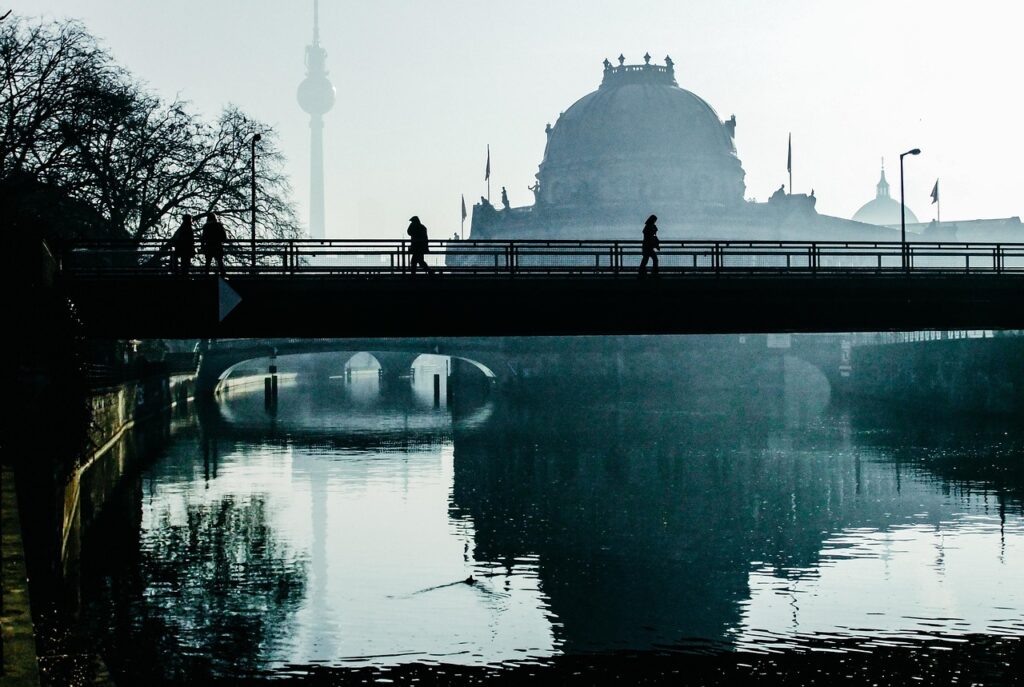
Finally, give yourself time to wander: a walk along the Spree, a pause in a Prenzlauer Berg café, or admiring Mitte’s lit facades can be worth more than racing for the hippest club. Berlin reveals itself slowly, night after night. Plan, but leave room for improvisation — the best nights often happen down a side street, at an impromptu gig or through a chance encounter at a bar. Enjoy your stay and have a great night in Berlin!