





Introduction
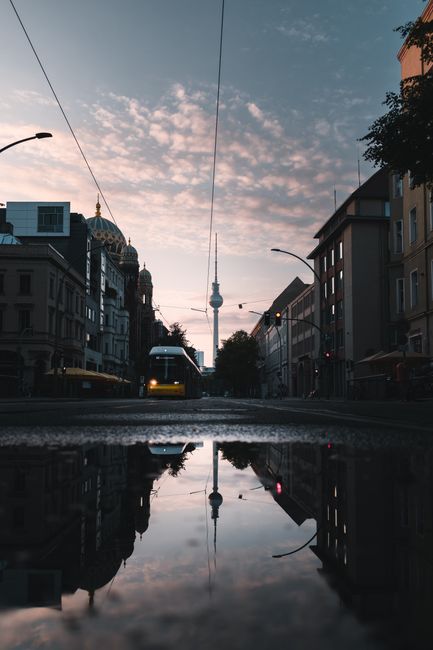
Berlin is a city of contrasts: a vibrant European capital full of famous monuments and tourist attractions — but also a quietly secret place, dotted with pockets of calm where locals recharge away from the crowds. This article maps out those tucked-away retreats: ten secret walks and discreet spots to escape the bustle of busy streets. Whether you’re a short-term visitor, an expat hunting for new discoveries, or a Berliner wanting to see the city anew, these locations combine nature, architecture, history and local atmosphere.
Each entry in this guide includes an exact address, practical info on opening times and prices, an immersive description and local tips to make the most of your visit. The spots chosen favor authenticity and tranquility: panoramic hills, community gardens, former industrial sites turned parks, and lakeside villas. Some sites require a short walk or a guided tour — often those detours are what keep them off the main tourist flows, making the experience all the more rewarding.
Suggested itinerary: pair a morning stroll through an abandoned park reclaimed as a nature reserve, a lunch in a community garden, an afternoon on a little-known rooftop terrace, and sunset from an artificial hill. Berlin reads like a garden-city shaped by 20th-century history; industrial remains, bunkers, villas and social housing estates tell stories best appreciated at a leisurely pace. This guide doesn’t claim to be exhaustive but aims to offer micro-itineraries for real escape, reliable practical details and on-the-ground tips: quieter hours, walking routes, safety notes and useful suggestions (transport, amenities, best times for photos).
Important: some sites (like former industrial lots) may have changing access due to construction or private restrictions. I list addresses and opening hours as of the time of writing; always check official pages or call ahead before setting out. Finally, respect the environment and residents: residential areas, community gardens and protected sites require discretion and adherence to local rules.
1. Teufelsberg – The Hill of Ruins with an Urban Panorama
Address: Teufelsberg, Teufelsseechaussee 10, 14055 Berlin (main access point).
Price: unofficial solo visits discouraged; guided tours recommended €12–€18 depending on the operator.
Opening hours: natural walks vary; guided tours typically 10:00–18:00 (seasonal times).
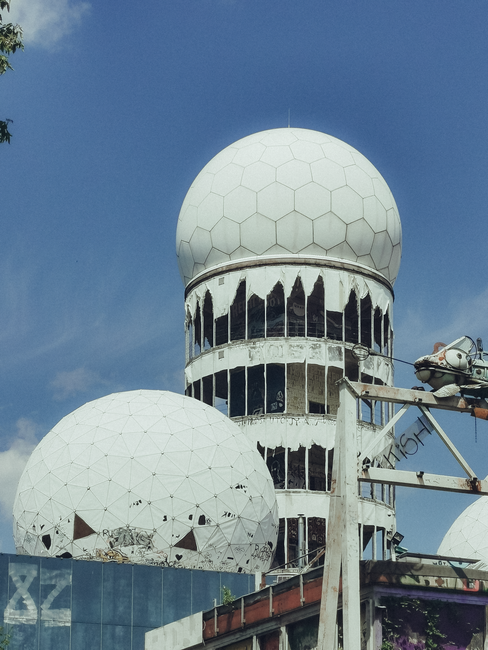
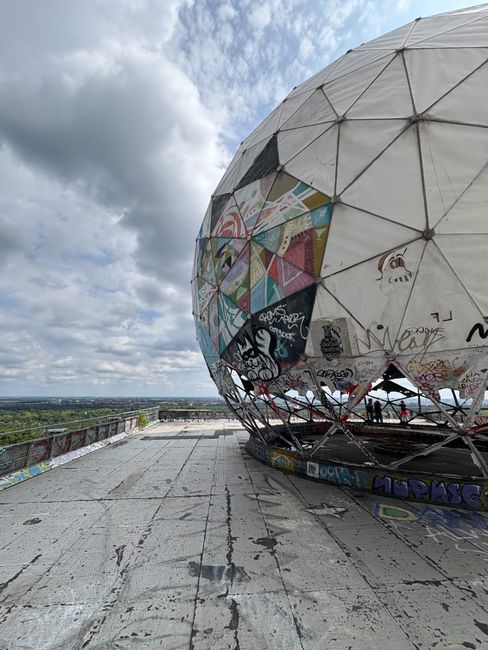
Description: Teufelsberg is an artificial hill built from Berlin’s post-World War II rubble and topped by a Cold War-era American listening station, now covered in graffiti and street art. From its summit the views over Berlin are spectacular: you can pick out the Fernsehturm skyline, nearby lakes and the canopy of surrounding forests. The place has a unique vibe, somewhere between post-industrial and reclaimed nature.
Local tips: book a guided tour (online reservation) for safety and to access the most interesting areas. Wear sturdy shoes: paths can be muddy and rocky. Sunrise and sunset provide incredible light for photos; bring a jacket, as the top can be windy even in summer.
2. Schöneberger Südgelände – Nature Reserve on Disused Tracks
Address: Schöneberger Südgelände (Natur-Park Südgelände), Hauptstraße 15, 10827 Berlin.
Price: Free entry; some temporary exhibitions €3–€6.
Opening hours: Park open 08:00–20:00 (hours vary by season and events).
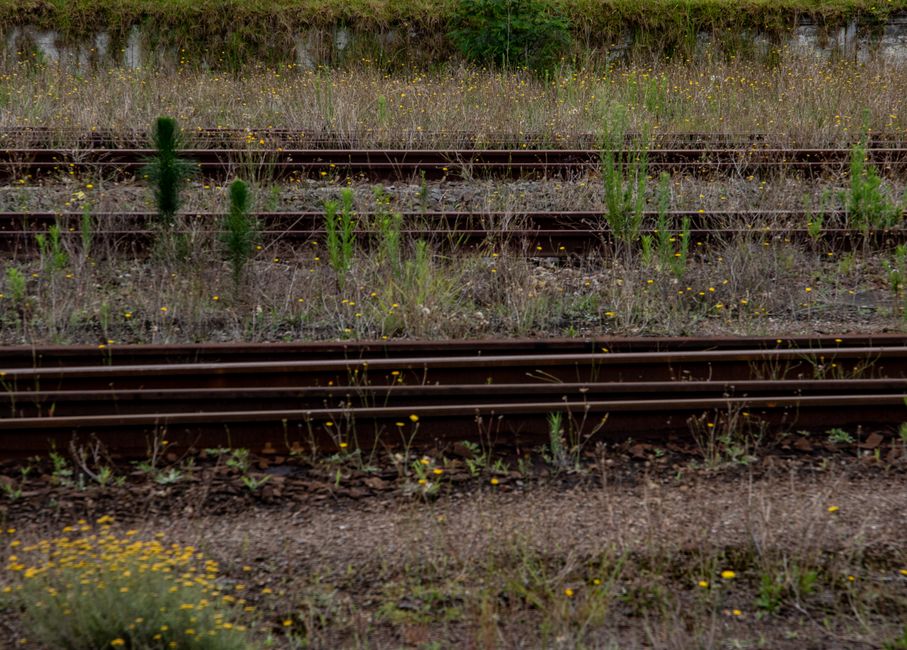
Description: This former marshalling yard transformed into a nature park is an outstanding example of urban renaturation. Old tracks are partly overrun by vegetation, with tall grasses, wild orchids and trees pushing up through the sleepers. Winding paths lead to viewpoints, sculptures and meadows where families gather in peace. The atmosphere mixes industrial nostalgia with bucolic calm.
Local tips: visit early on a weekday to enjoy silence and wildlife spotting (birds, insects). Bring a plant guide or use an app to identify species — the park is rich in biodiversity. Photographers should look for rusty signals and backlit grasses for poetic shots.
3. Prinzessinnengärten – Community Garden and Urban Oasis
Address: Prinzessinnengärten, Prinzessinnenstraße 19–20, 10969 Berlin (Kreuzberg).
Price: Free entry; workshops and activities €5–€15 depending on the event.
Opening hours: Generally open 10:00–20:00 in season (April–October), reduced hours in winter.
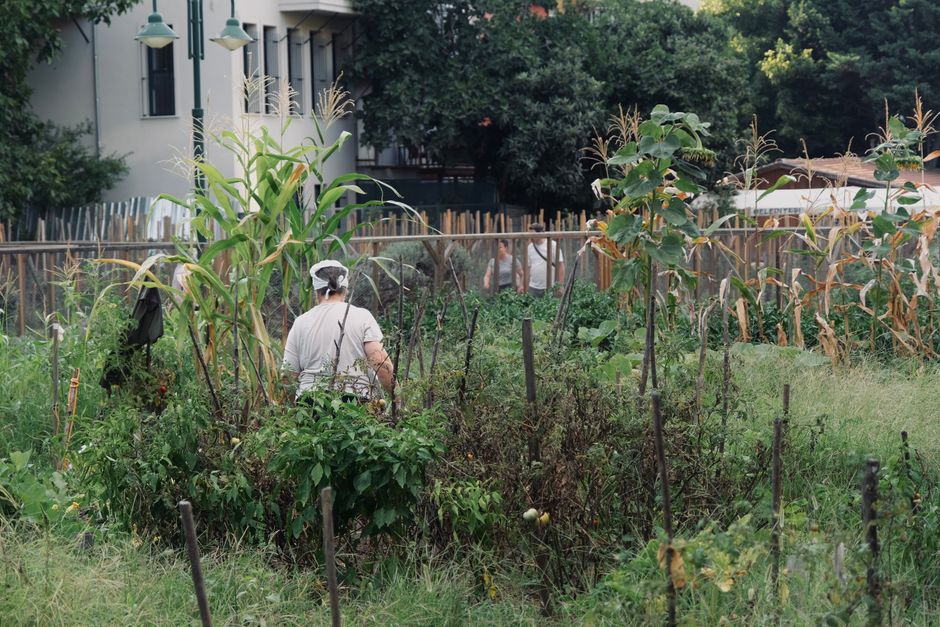
Description: Located in the heart of Kreuzberg, the Prinzessinnengärten are an emblematic community garden where volunteers and neighbors tend raised beds, compost and host markets and workshops. The vibe is friendly and lively: the smell of compost, aromatic herbs, rotating vegetables and small tables where people stop for coffee. It’s a perfect spot for a simple lunch bought from a local organic caterer and eaten in the shade.
Local tips: join a workshop (permaculture, cooking, maintenance) to learn how the place runs and meet engaged locals. Respect cultivated areas and don’t pick anything without asking. Weekend markets often offer locavore products and fresh bread.
4. Spreepark (Plänterwald) – Abandoned Amusement Park with Guided Tours
Address: Spreepark (Plänterwald), Kiebitzweg 5, 12437 Berlin.
Price: Official guided tours €12–€15; unauthorized access strictly forbidden.
Opening hours: Guided tours on weekends and some public holidays; times vary (book in advance).
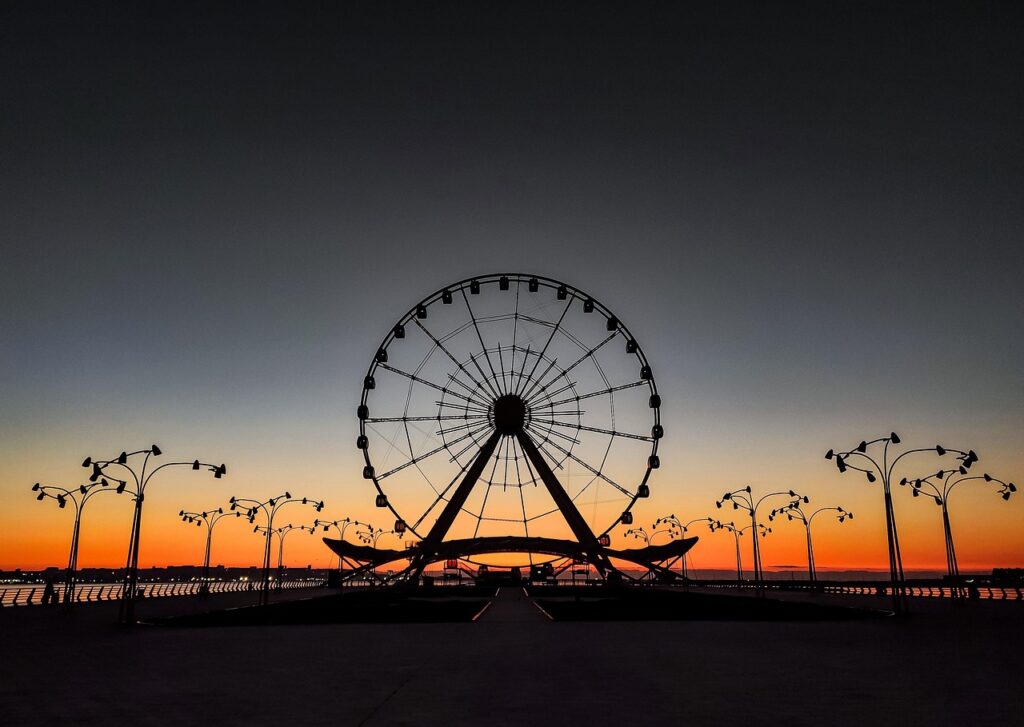
Description: Spreepark, the abandoned amusement park on the banks of the Spree, offers a surreal vision: a rusting Ferris wheel, frozen rides and faded signs all slowly reclaimed by nature. Guided tours cover the park’s history, closure and rehabilitation attempts. The atmosphere is fascinating and slightly eerie — ideal for those who enjoy framed urban exploration.
Local tips: book your tour in advance and arrive early for softer light and fewer people. Don’t try to enter outside official tours — it’s monitored and dangerous. Photographers should focus on textures: rust, metal and the contrast with encroaching vegetation.
5. Klunkerkranich – Secret Rooftop and Music on a Car Park
Address: Klunkerkranich, Karl-Marx-Straße 66, 12043 Berlin (on the roof of Neukölln Arcaden shopping center).
Price: Free entry during the day; concert nights €3–€10 depending on the line-up. Drinks sold on site (prices vary, roughly €4–€8).
Opening hours: Generally open 12:00–23:00 in season; concert times vary (check listings).
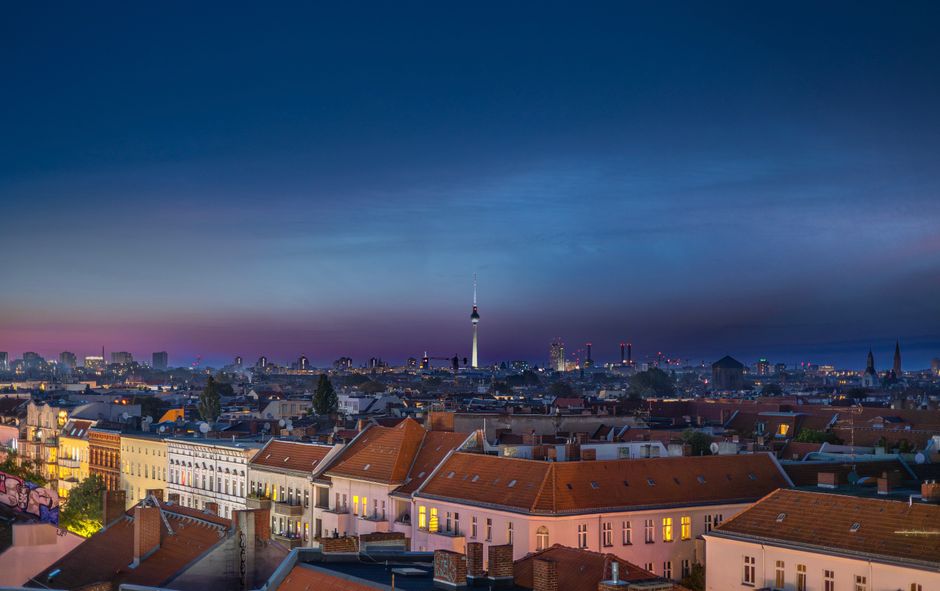
Description: Perched on a car park roof, Klunkerkranich is a planted terrace with panoramic city views, container gardens, lounge areas and a small stage. The vibe is bohemian: families by day, a young crowd at night for indie concerts and DJ sets. It’s a great spot for a late-afternoon drink away from the big tourist terraces.
Local tips: arrive before sunset to secure a spot (space is limited). Take the U-Bahn to Rathaus Neukölln then the escalator up to the roof. Evenings may ask for a small cover; access is usually quieter on weekday afternoons.
6. Villa Liebermann on the Wannsee Shore – Intimate Garden and Museum
Address: Liebermann-Villa am Wannsee, Strandweg 45, 14129 Berlin (Wannsee).
Price: Standard admission €6; reduced €4; free for children under 6.
Opening hours: Open 10:00–18:00 (Tuesday–Sunday), closed Mondays (check holidays and special exhibitions).
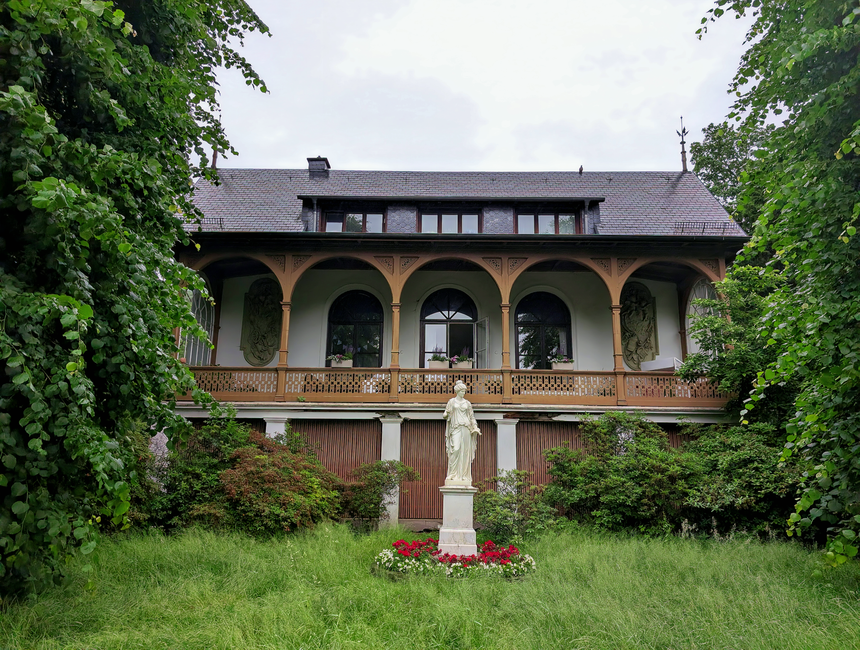
Description: The Liebermann Villa, the former home of painter Max Liebermann, sits on the shore of Lake Wannsee. Its carefully tended garden slopes down to the water; the villa hosts exhibitions about art and life in the early 20th century. The visit blends art, lakeside calm and shady walks beneath the trees. The site stays away from major tourist streams, especially on weekdays.
Local tips: after touring the villa, walk along the Wannsee shore to spot small beaches and wooden jetties. The villa café often serves homemade pastries — ideal for a break. Reach it by S-Bahn (S1 to Wannsee) followed by a short walk, or by local bus.
7. Hufeisensiedlung (Bruno Taut) – Peaceful, UNESCO-Listed Residential Estate
Address: Hufeisensiedlung, Onkel-Tom-Straße 21, 12161 Berlin (Britz, Neukölln).
Price: Free to explore independently; guided tours often €5–€8 (depending on organizer).
Opening hours: Public spaces accessible 24/7; guided tours run according to local schedules.
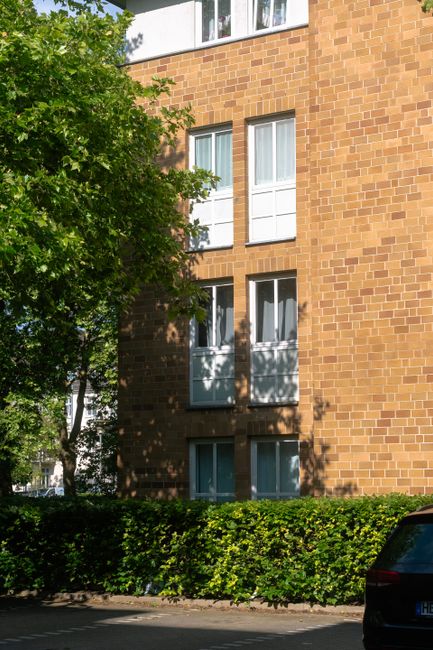
Description: A UNESCO World Heritage site, the Hufeisensiedlung is a garden-city estate designed by Bruno Taut and Martin Wagner in the 1920s. Its colorful façades, rows of small homes and communal gardens create a harmonious ensemble, perfect for a quiet architectural stroll. Few tourists linger here, so the neighborhood reads like a social and aesthetic novel.
Local tips: respect residents’ peace — avoid loud noises and intrusive photos through windows. For a richer experience, join a themed guided tour (social housing history, architecture) offered by local associations.
8. Gärten der Welt – Gardens of the World for a Themed Escape
Address: Gärten der Welt, Eisenacher Str. 99, 12685 Berlin (Marzahn-Hellersdorf).
Price: Entry €7.00; reduced €4.50; some outdoor gardens free on certain days (check ahead).
Opening hours: Typically open 09:00–19:00 (hours vary by season).
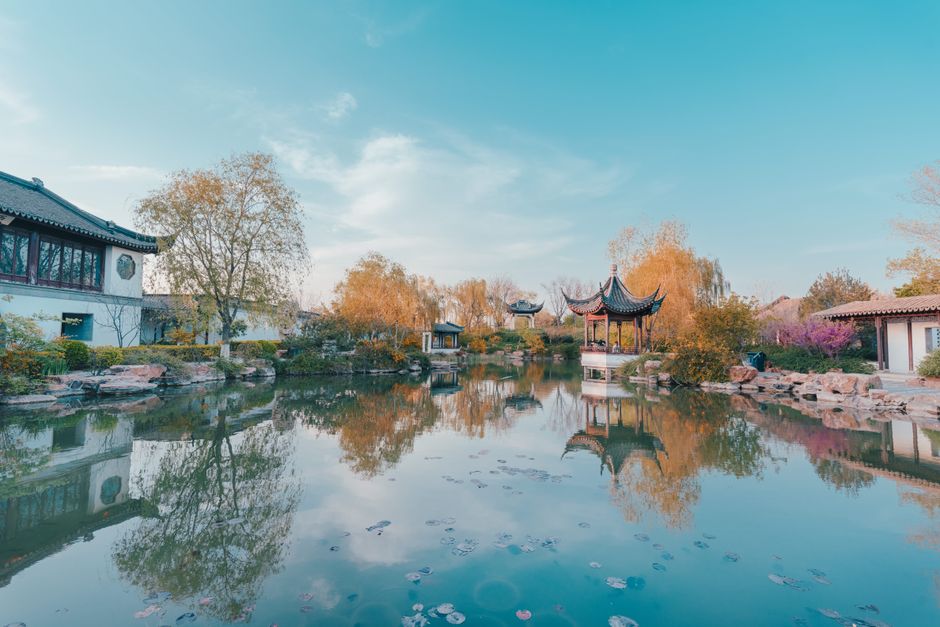
Description: Gärten der Welt features several themed gardens — oriental, Japanese, Balinese, European — laid out around peaceful paths, ponds and pavilions. Despite its size, the park is usually less crowded than central attractions, especially on weekdays. Each garden provides a distinct atmosphere, perfect for meditation, photography or a well-planned picnic.
Local tips: favor weekday mornings for an almost-private experience. Take the cable car (season permitting) for an overview of the park and surrounding housing — a little-known moment often missed by standard tourist routes.
9. Britzer Garten – Wide Lawns and Quiet Sculptures
Address: Britzer Garten, Sangerhauser Weg 1, 12349 Berlin (Britz).
Price: Entry €5.00 (adult); reduced €3.00; free for very young children.
Opening hours: 09:00–19:00 (hours vary by season).
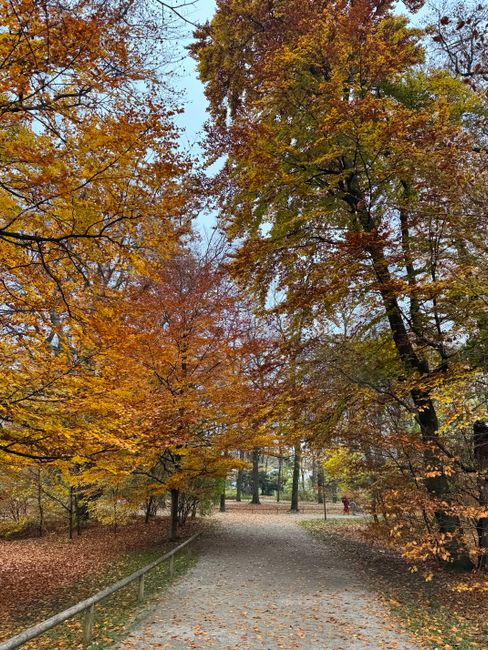
Description: Created for the 1985 horticultural exhibition, Britzer Garten offers broad lawns, themed flower gardens, lakes and scattered artworks. You’ll find shady paths, contemporary sculptures and tucked-away corners perfect for reading or napping unseen. It’s an ideal place for a long, uncrowded stroll.
Local tips: rent a bike (or bring your own) to cover the park’s wide area. Spring and autumn bring especially beautiful colors; in summer seek shaded paths early in the morning to avoid the heat.
10. Viktoria-Luise-Platz and Quiet Little Squares in the Centre
Address: Viktoria-Luise-Platz, Marburger Straße 1, 10777 Berlin (Schöneberg).
Price: Free (public space).
Opening hours: Accessible all day; shops and cafés around generally open 08:00–20:00.
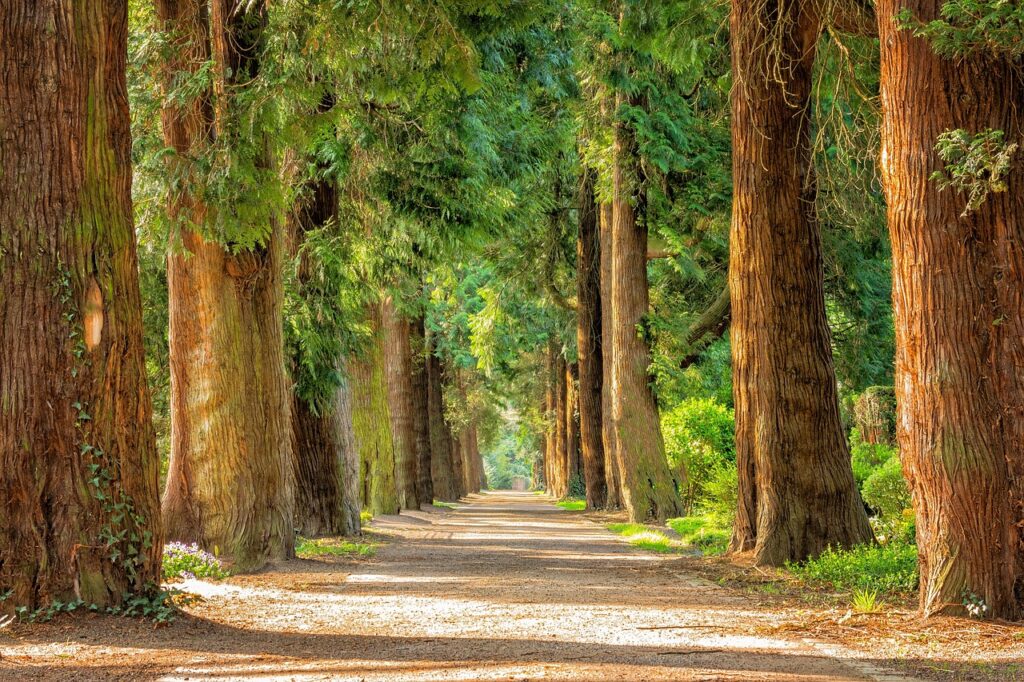
Description: Just a stone’s throw from busy shopping streets, Viktoria-Luise-Platz is a small circular square lined with trees, neighborhood cafés and Art Nouveau buildings. The place gives a rare sense of calm for the city center — perfect for a terrace coffee away from the crowds. Nearby, quiet residential streets offer artistic façades, discreet bookshops and artisan bakeries.
Local tips: enjoy a morning coffee or a relaxed brunch at one of the square’s cafés. For a longer stroll, follow the tranquil streets toward Augsburger Straße and discover independent shops and small art galleries. On summer evenings the square becomes a neighborhood hangout, far less touristy than central hotspots.
Conclusion
These ten spots represent a Berlin off the beaten track, where exploration happens on foot, in tune with the seasons and chance encounters. The city’s essence often lives in these interstices: former industrial sites turned gardens, lakeside villas, garden-city estates or rooftop terraces where memories and everyday life intertwine. Each place on the list offers something special — a unique viewpoint over the city, an atmosphere of calm, or access to nature and history — without demanding a big budget. The prices listed here are modest: many of these spaces are free or cost only a few euros, letting you build a full day of discoveries on a small budget.
Before you head out, keep a few practical recommendations in mind: check opening times and availability of guided tours (Spreepark, Teufelsberg), respect the privacy of residents and community gardens (Prinzessinnengärten, Hufeisensiedlung), and choose off-peak hours to truly enjoy the solitude of these places (weekday mornings and late afternoons). Photographers should bring spare batteries and memory cards — evening light and urban textures offer rich opportunities. Finally, travel light but prepared: comfortable shoes, a refillable water bottle and a small guide or navigation app will help you navigate these micro-landscapes.
Berlin is a city to be reinvented with every visit. These secret strolls offer ways to renew the experience: they are invitations to slow down, listen and observe. By combining a few of these addresses you can create a day or a weekend of total escape, away from the crowds and yet profoundly Berliner. Enjoy the discoveries and always respect the places and their communities: it’s the best way to preserve these small oases for the next generations of visitors and residents.