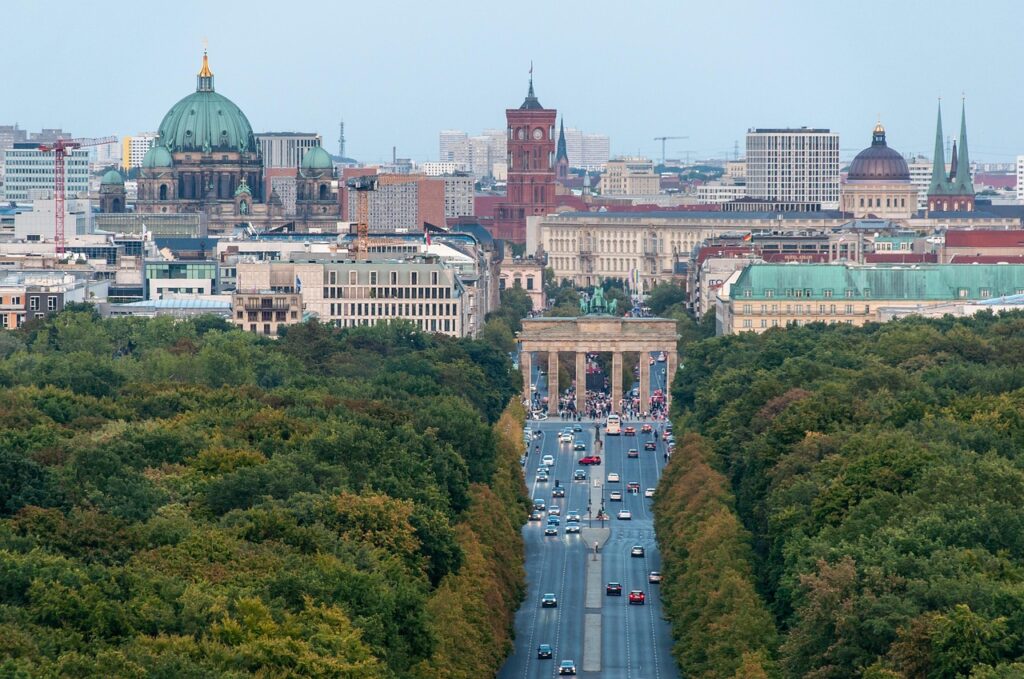






Introduction — Why clarify visa procedures for Berlin in 2026
Traveling to Berlin as a tourist in 2026 means more than just booking a flight and a hotel: administrative requirements are changing, border controls and digital authorizations (like ETIAS for some nationalities) are being rolled out, and it’s crucial to know exactly what to present and where to avoid unpleasant surprises. Berlin is not just Germany’s capital; it’s also a gateway into the Schengen area, and how you prepare your paperwork often determines how smoothly your trip goes — from arrival at the airport to your first steps on Unter den Linden or wandering Kreuzberg.
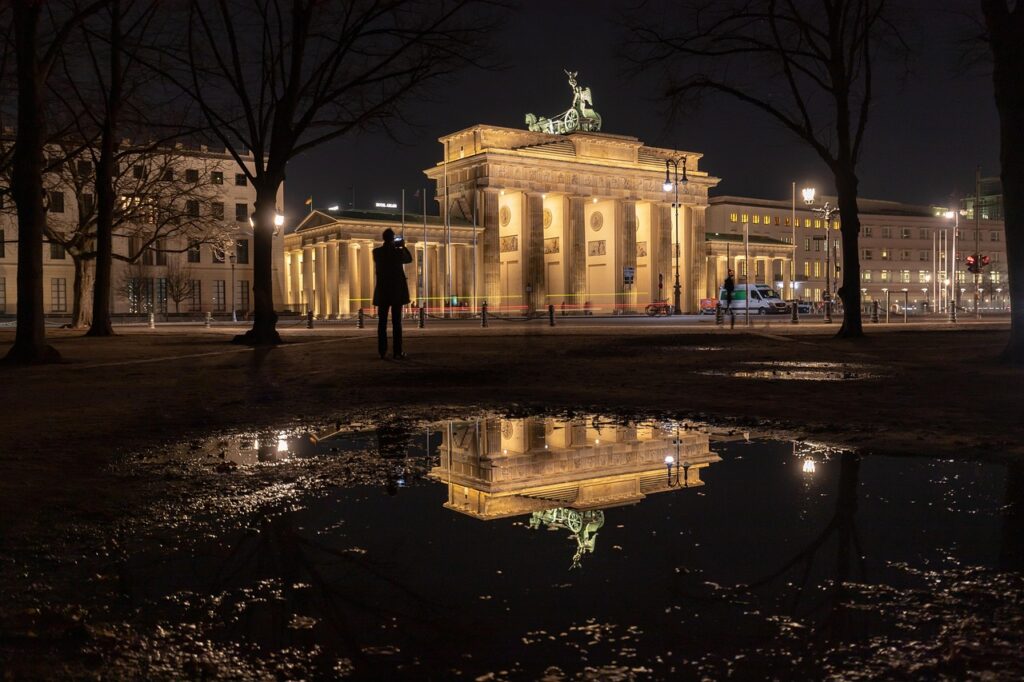
In this practical, professional, and detailed guide I outline the steps to take in 2026 to obtain authorization for a tourist stay in Berlin (short Schengen-type visit), the standard supporting documents, what to do if extra procedures are required (applications at the embassy, booking centers, possible appeals), realistic processing times, and typical fees in euros. I also provide specific addresses and opening hours for official services in Berlin and abroad so you’ll know exactly where to go if you are summoned or asked to submit additional documents. The guide includes local tips to avoid common mistakes — for example how to handle travel insurance, proof of funds, or using refundable hotel bookings for the application — and gives concrete contact points like the Landesamt für Einwanderung (Immigration Office) in Berlin.
I want this text to serve as your roadmap: from preparing compliant ID photos, to booking accommodation with a full address, to securing travel insurance that meets requirements (minimum recommended coverage €30,000) and submitting your application to the appropriate German representation in your country. The guide is intended for both solo travelers and families, detailing applicable costs (visa fees, variations for children), average processing times (standard 15 calendar days, which can extend to 30 or 60 days in some cases), and alternatives in case of refusal or lost documents.
Finally, I offer practical recommendations for Berlin: hotel addresses at various price points with indicative rates, must-see museums and their opening times, and tips for getting around on public transport as soon as you arrive. This guide does not replace the official website of the German embassy or the EU portal, but it gives you concrete, actionable information to prepare a tourist trip to Berlin in 2026 — without unnecessary administrative stress.
1) Understanding which type of visa you need to visit Berlin in 2026
The general rule for a tourist stay in Berlin in 2026 depends on your nationality. For citizens of the European Union (EU/EEA/Switzerland) no visa formalities are required: a national ID card or a valid passport is enough. For many third-country nationals (United States, Canada, Japan, Australia, South Korea, etc.), tourist access is possible without a visa for short stays (up to 90 days within a 180-day period) under the Schengen visa-free regime, but from 2024–2026 these travelers will need to obtain an electronic travel authorization called ETIAS (European Travel Information and Authorization System) before entering the Schengen area. ETIAS is an electronic authorization, not a visa; it is applied for online and costs around €7 for adults (check the official fee at the time of your application).
For nationals of countries that do not benefit from the waiver, you will need to apply for a Schengen visa type C (short stay) at the German embassy or consulate that has jurisdiction over your place of residence. This visa generally allows a tourist stay up to 90 days within 180 days. Standard fees in 2026 remain, unless officially changed, €80 for adults. Children aged 6 to 11 usually pay €40 and children under 6 are exempt.
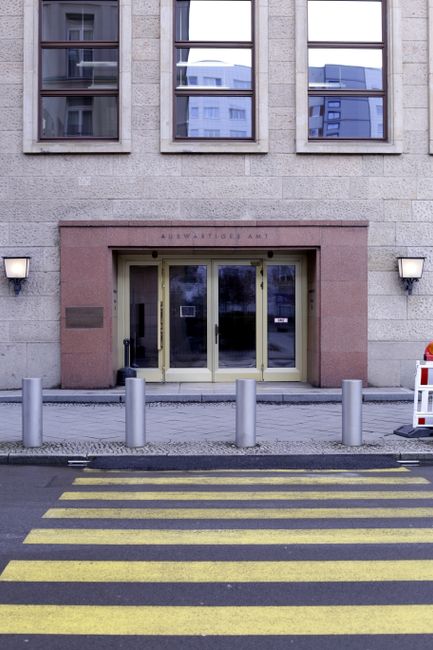
Be aware of other situations: if you plan to stay longer than 90 days, or if the purpose of your trip is work, study, or an internship, you will need to apply for a German national visa (type D) or a residence permit upon arrival, which involves different procedures and usually requires a contract, an invitation letter, or other specific documents. In Berlin, the competent authority for converting a short visa into a local permit is the Landesamt für Einwanderung (Landesamt für Einwanderung Berlin, Friedrich-Krause-Ufer 24, 13353 Berlin) — expect to book an appointment and provide additional documents. General opening hours for the Landesamt are typically Monday to Friday, 09:00–15:00 (by appointment only), but check the official website before you go.
To summarize: check your nationality, confirm the planned length of stay, and determine whether ETIAS (for visa-exempt nationals) or a Schengen visa (type C) is required. Start your procedures at least 15 days before departure, ideally 1 to 3 months in advance to be safe — and if documents are missing you’ll have time to obtain additional proofs such as a bank statement, a confirmed hotel reservation, or a letter of invitation.
2) Required documents, proof of accommodation, insurance and financial proofs
The document list for a Schengen tourist visa application in 2026 is standardized but may vary depending on the local German representation. Typical documents include:
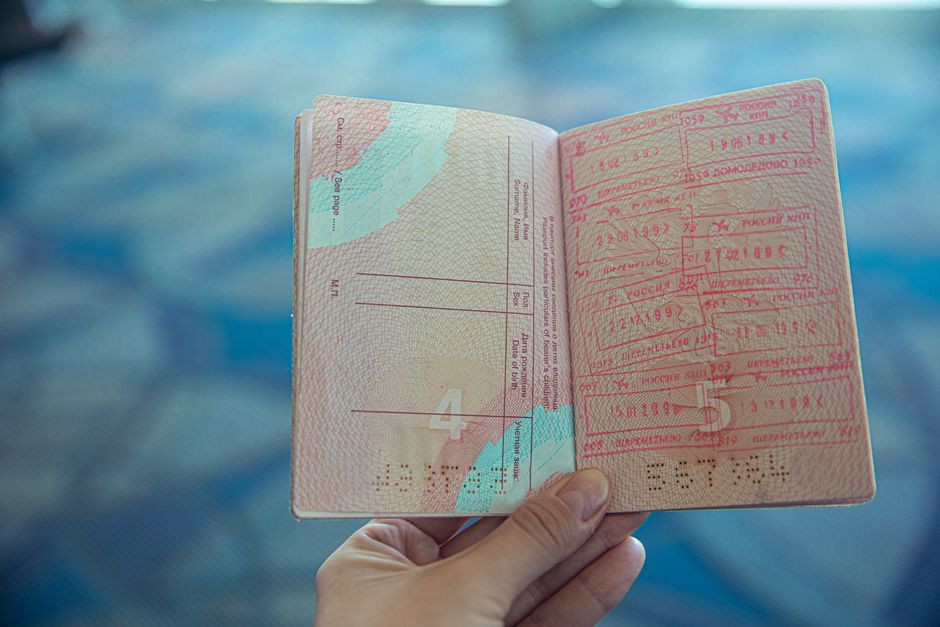
- Passport: valid for at least three months after the planned date of departure from the Schengen area, with at least two blank pages. Photocopies of identity pages and any previous Schengen visas if applicable.
- Application form: fully completed and signed (available on the German embassy website or the visa application center).
- Recent ID photos: compliant with Schengen standards (35 x 45 mm, light background, neutral expression).
- Round-trip flight reservation or travel itinerary: booking with dates and flight numbers or a conditional reservation showing an option that can be canceled.
- Proof of accommodation: confirmed hotel reservations or a formal invitation (Einladung) if staying with a German resident. Example hotels you might mention: Hotel Adlon Kempinski, Unter den Linden 77, 10117 Berlin — indicative rates €250–€450/night; Motel One Berlin-Alexanderplatz, Grunerstraße 11-15, 10179 Berlin — indicative rates €80–€120/night.
- International travel insurance: minimum recommended coverage €30,000 for medical expenses and repatriation, valid for the entire Schengen area for the duration of the stay. Insurance certificates should clearly state the coverage period and the limit of liability.
- Proof of financial means: bank statements for the last 3 to 6 months, sponsorship letters if applicable, bank cards. Although the exact amount required varies by country, plan to demonstrate financial capacity of around €45 to €100 per day for the duration of the stay; for a trip to Berlin in 2026 a reasonable available amount would be around €60–€80 per day to cover lodging, meals and transport.
- Proof of employment or status: employer letter stating your position, authorized leave and salary, or enrollment certificate for students, or proof of pension.
It’s common for the embassy or application center to request additional documents: an invitation letter (with full contact details of the host if staying with a resident), a detailed itinerary (day-by-day activities), or proof of family ties. Copies must be legible, on paper and sometimes scanned for the electronic file. Documents in a language other than German or English may require certified translation.
Local tips: – Use refundable or free-cancellation hotel bookings when submitting your file so you can change them if necessary after the visa is issued. – For insurance, prefer a certificate that explicitly states “valid for all Schengen states” and the €30,000 coverage. – Provide bank statements with clear descriptions and avoid unexplained cash deposits made the day before the application: consular services look at the stability of your funds.
3) Where to submit the application, processing times, fees and biometric procedures
Procedures vary by country of residence: most German embassies and consulates outsource appointment booking and application collection to external providers (for example VFS Global, TLScontact, BLS International depending on the territory). You must book an appointment via the official site of the German representation or the designated application center. Examples of useful German embassy addresses:
- German Embassy in Paris — 13–15 Avenue Franklin D. Roosevelt, 75008 Paris. Book appointments online via the consular service portal. Opening hours are usually 09:00 to 12:00 for submissions by appointment; fees and conditions should be checked on the official website.
- German Embassy London — 23 Belgrave Square, London SW1X 8PZ. Appointments taken online, submissions generally via TLScontact. Hours and fees online.
- Embassy of the Federal Republic of Germany, Washington, D.C. — 4645 Reservoir Road NW, Washington, DC 20007. Appointments via the embassy/consular website.

Processing times: the normal timeframe is 15 calendar days from the date of complete submission. In some cases (additional checks, high season, large volume of applications) processing may extend to 30 or 60 days. It is advisable to submit your application as early as six months before departure and no later than 15 days before your planned trip. Standard fees for a tourist Schengen visa in 2026 are generally still €80 for an adult, €40 for children aged 6 to 11, and free for children under 6. Additional service fees are charged by application centers (e.g., VFS) and vary by country (usually €20–€40). Check the total cost when booking your appointment.
Biometrics: at registration you will need to provide fingerprints (except children under 12) and sometimes a biometric photo. These data are stored according to Schengen rules and are used for visa issuance and later checks. For frequent renewals or for children, check who must be physically present at the center for fingerprinting.

Practical tips: – Arrive 15 minutes early with all copies and originals. – Check which payment methods are accepted for the fees (cash, card). – Keep the submission receipt: you will need it to collect your passport or to track your application online. – If your file is incomplete, the representation may request missing documents and suspend processing until they are received; this will extend the processing time.
4) On arrival in Berlin: checks, length of stay, extensions and useful local contacts
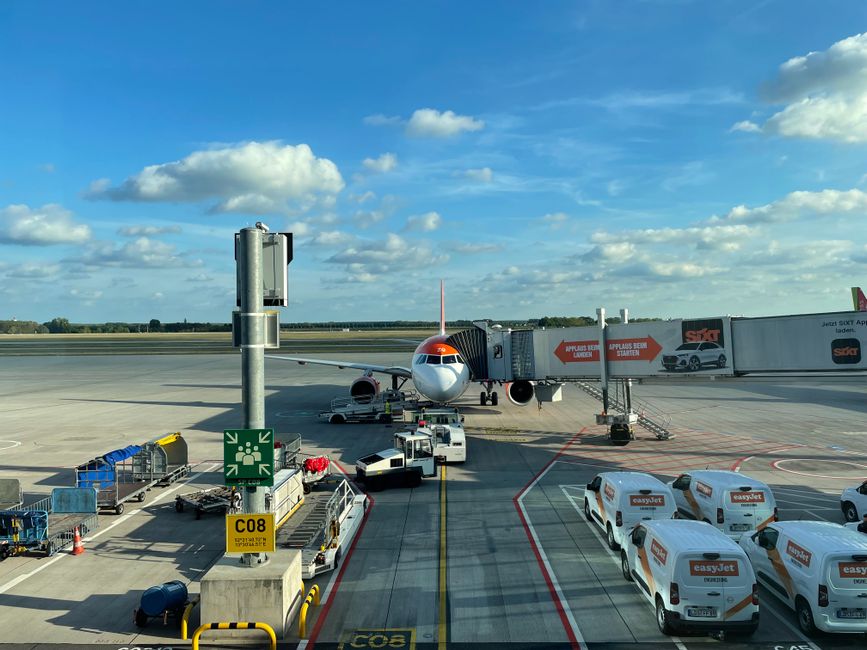
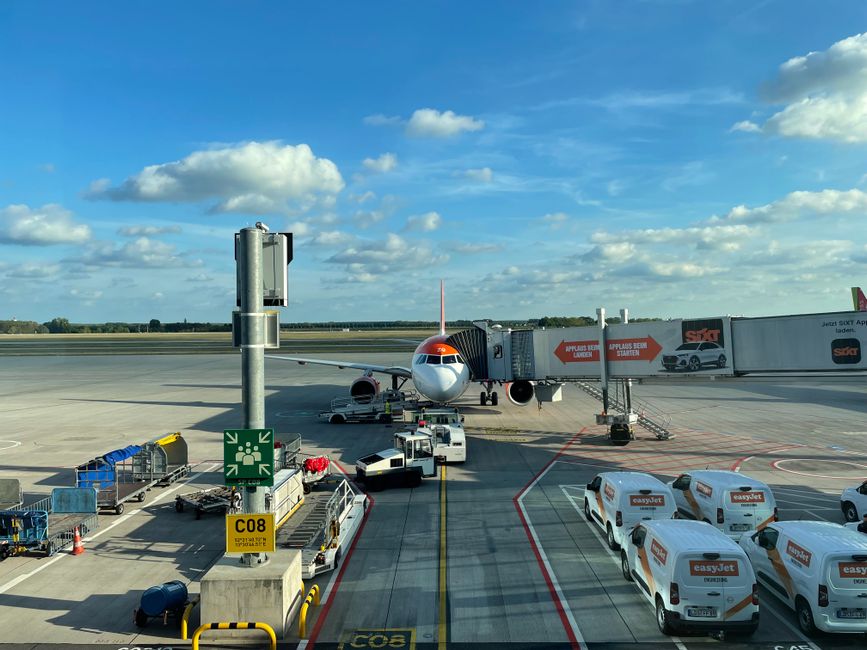
On arrival in Berlin (Berlin Brandenburg Airport – BER, Willy-Brandt-Platz 1, 12529 Schönefeld) border officers may ask to see: your passport, the Schengen visa (if required), travel insurance, proof of accommodation, and sometimes proof of financial means for the duration of the stay. Controls are common and officers may question your itinerary. Keep a printed copy and an accessible digital version on your phone.
Count days according to the Schengen 90/180 rule: you may not stay more than 90 days within 180 days without a residence permit. Online tools (Schengen calculators) help check your remaining days. If, for exceptional reasons, you need to extend your stay (illness, unexpected impediment), contact the Landesamt für Einwanderung in Berlin immediately. Main address:
- Landesamt für Einwanderung — Friedrich-Krause-Ufer 24, 13353 Berlin. Phone: +49 30 90 21 50 (check official site for current number). General hours: Monday to Friday, 09:00–15:00 by appointment. Online appointment system.
If you plan a longer stay (studies, work), you must leave the Schengen area and apply for the appropriate national visa before returning, or start a status-change procedure with the competent authorities. Overstaying your allowed period leads to sanctions: fines, entry bans and complications for future applications.
Useful contacts in Berlin for tourists:
- Tourist police / Polizei: in case of emergency call 110. For non-urgent information, contact the local police station.
- Your country’s embassy or consulate: note the address and phone number before you depart. For example, the French Embassy in Berlin is at Pariser Platz 5, 10117 Berlin (useful for French citizens).
- Medical centers and hospitals: Charité – Universitätsmedizin Berlin, Charitéplatz 1, 10117 Berlin; 24/7 emergency services, be ready to present your travel insurance.
Final local tips: – Always keep a paper copy of your visa / ETIAS and your insurance policy. – Buy a public transport ticket (BVG) or a digital pass as soon as you arrive: a single AB ticket costs around €3.30, a day pass for zones AB about €9.00 (indicative 2026 fares). – If you lose documents, report it to the police immediately and contact your embassy for assistance and to obtain an emergency travel document if necessary.
Conclusion — Prepare your trip to Berlin with confidence
Traveling to Berlin in 2026 requires careful administrative preparation but it’s entirely manageable. Schengen rules remain the foundation: check whether you need a visa (type C for tourism) or just an ETIAS authorization if you are from a visa-exempt country. Gather essential documents: a valid passport, completed form, compliant photos, round-trip ticket, proof of accommodation (with full addresses), travel insurance covering at least €30,000, and recent bank statements to prove financial means. Standard Schengen visa fees remain around €80 for an adult, with exceptions for children. Processing times can vary: plan for 15 days normally, and up to 30–60 days if additional checks are needed.

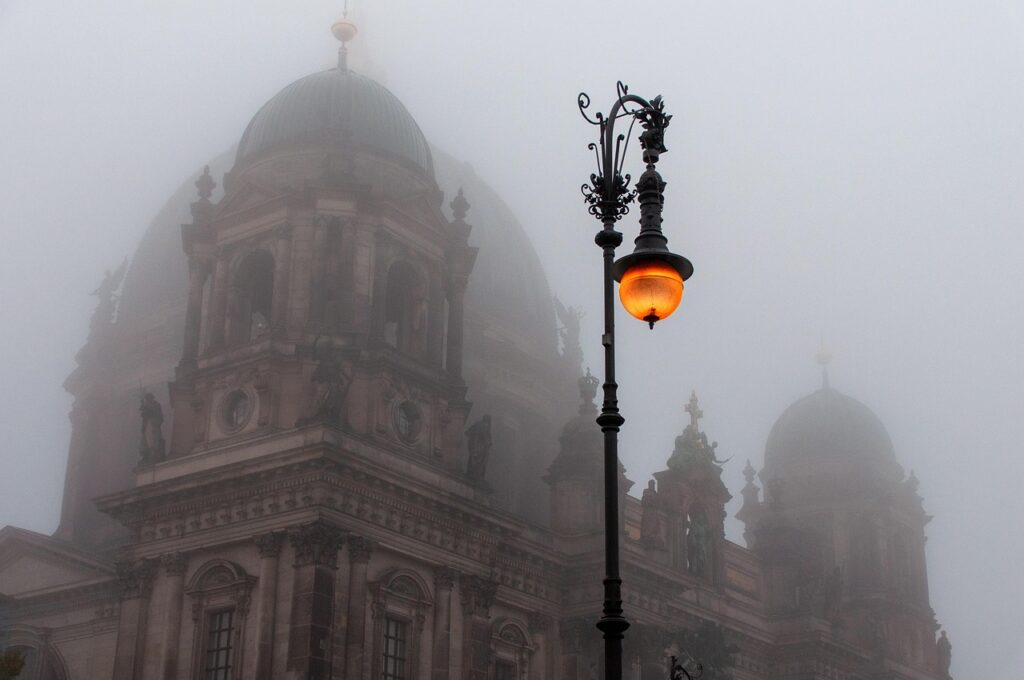
On site in Berlin, keep your documents handy, know where the Landesamt für Einwanderung is located (Friedrich-Krause-Ufer 24, 13353 Berlin) and keep your embassy’s contact details. Berlin Brandenburg Airport (BER) is your first point of entry; have your documents ready for border control. Also enjoy local amenities: the BVG network, museums (Berliner Dom, Am Lustgarten, 10178 Berlin; generally open 09:00–20:00, tickets about €10), and iconic neighborhoods like Mitte, Kreuzberg and Prenzlauer Berg — but don’t let sightseeing jeopardize your administrative compliance.
In short: anticipate, document, and verify official information before you go: embassies, accredited application centers and German government sites remain your references. By following these steps and preparing a clear, complete dossier, you’ll maximize your chances of obtaining the visa or authorization you need to discover Berlin with peace of mind — a trip where historical richness (Reichstag, Museum Island) meets urban modernity (Berghain, Neue Nationalgalerie) and good administrative preparation leaves you free to enjoy exploring.