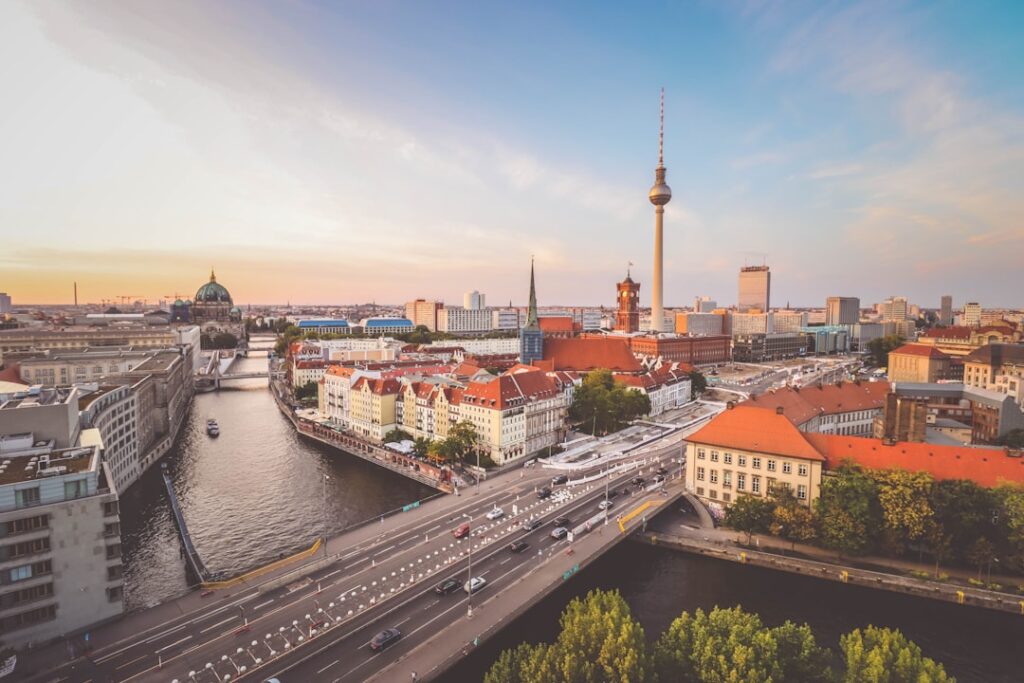






Introduction — Why Berlin Is a Capital for “Traditional” Vegetarian Food
Berlin is often seen as Europe’s hub for alternative food: vegan, vegetarian, fusion, street food and plant-based fine dining all collide in the city. But beyond trends, Berlin has reinvented “traditional” German and Central European cuisine in vegetarian—and sometimes fully vegan—forms. That doesn’t just mean salads or meatless burgers: think seitan schnitzel, cabbage rolls stuffed with mushrooms, crispy Bratkartoffeln made with plant-based lard, and even plant-based versions of the famous Currywurst. These dishes respect the textures, sauces and side dishes of tradition while using plant proteins and contemporary culinary techniques.
This guide takes you to the best places for traditional-style vegetarian cooking in Berlin: elegant restaurants offering tasting menus inspired by German recipes, bistros reinterpreting classics from the east and south of Germany, historic markets where artisans and stalls serve vegetarian specialties, and community gardens/cafés that celebrate local, seasonal ingredients. For each recommendation you’ll find the exact address, practical info (hours, price range), a detailed description of signature dishes and local tips to get the most out of the experience.
Berlin is a city of neighborhoods: Mitte, Kreuzberg, Prenzlauer Berg, Friedrichshain and Neukölln each offer a different take on traditional vegetarian food. Some restaurants are resolutely contemporary and inventive (tasting menus), while others focus on authenticity and conviviality (shareable plates, tavern-style meals). Covered markets and food festivals are great for sampling a wide range of dishes on a budget and chatting directly with producers. You’ll also find institutions that offer vegetarian takes on Berlin classics—perfect for curious travelers who want to taste the city like a local without eating meat.
In this article I prioritize well-regarded, accessible spots that represent Berlin’s scene. You’ll get recommendations on what to order, how much to budget, opening hours and tips to avoid queues or find gluten- or lactose-free alternatives if needed. Locals, visitors or fans of reimagined traditional cuisine: this guide is designed to help you plan a coherent and memorable culinary route across the German capital.
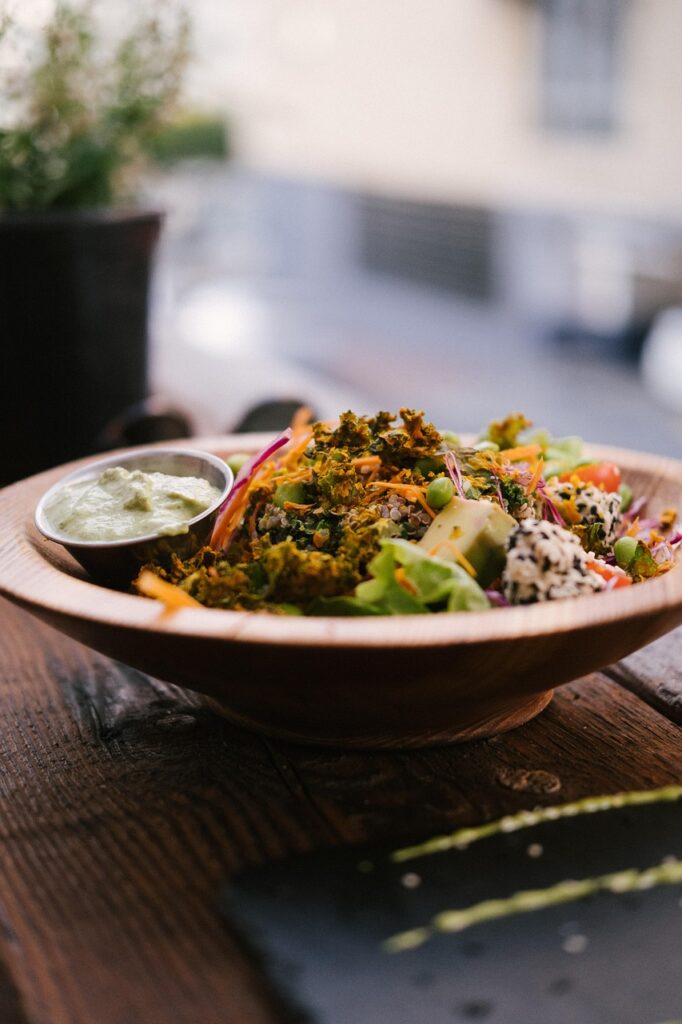
Mitte: Plant-Based Fine Dining and Reinterpreted German Classics
Mitte is Berlin’s gastronomic heart and home to several restaurants that reinvent German cuisine with a refined plant-based approach. Here the style is often gastronomic: local, seasonal produce, modern cooking techniques and careful presentation. Two standout spots are especially good at offering “traditional” dishes—stews, terrines, rich sauces—without relying on animal proteins.
Kopps
Address: Linienstraße 94, 10115 Berlin-Mitte
Hours: Tue–Sat 18:00–22:00 (reservations highly recommended).
Price: tasting menu around €49–79 per person (depending on number of courses), à la carte dishes €12–28.
Description: Kopps is known for its vegan fine-dining approach. Dishes sometimes draw on German traditions—for example, a seitan schnitzel served with pan-fried potatoes and a tangy salad, or a modern take on the classic cabbage roll—yet the execution is delicate and contemporary. Expect deep, layered flavors: vegetable-reduced broths, silky sauces and refined textures designed to evoke the sensory elements of traditional dishes. Service is professional and the atmosphere suits a slow, considered meal.
Local tip: book a table toward the back near the windows for natural light; choose the tasting menu if you want a full panorama of techniques and flavors.
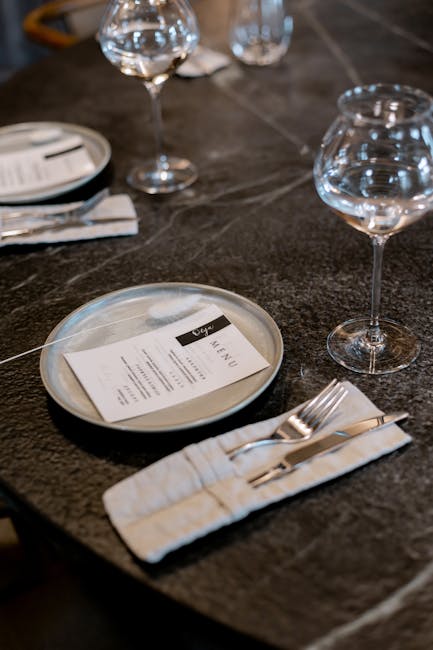
Cookies Cream (upscale vegetarian restaurant)
Address: Behrenstraße 55, 10117 Berlin-Mitte
Hours: Tue–Sat 18:00–23:00 (bar often open later).
Price: dishes €15–32, tasting menus €55–85.
Description: Cookies Cream is another institution in Berlin’s vegetarian scene, serving inventive cuisine that can reference classics while playing with new textures and combinations. Purees, reduced juices and roasted vegetables take center stage, sometimes nodding to traditional German sauces. The place is popular for dinners when you want a sophisticated yet relaxed vegetarian gastronomic experience.
Local tip: the interior can be dim—reserve early for a window seat; the bar offers excellent non-alcoholic cocktails to pair with a vegetarian meal.
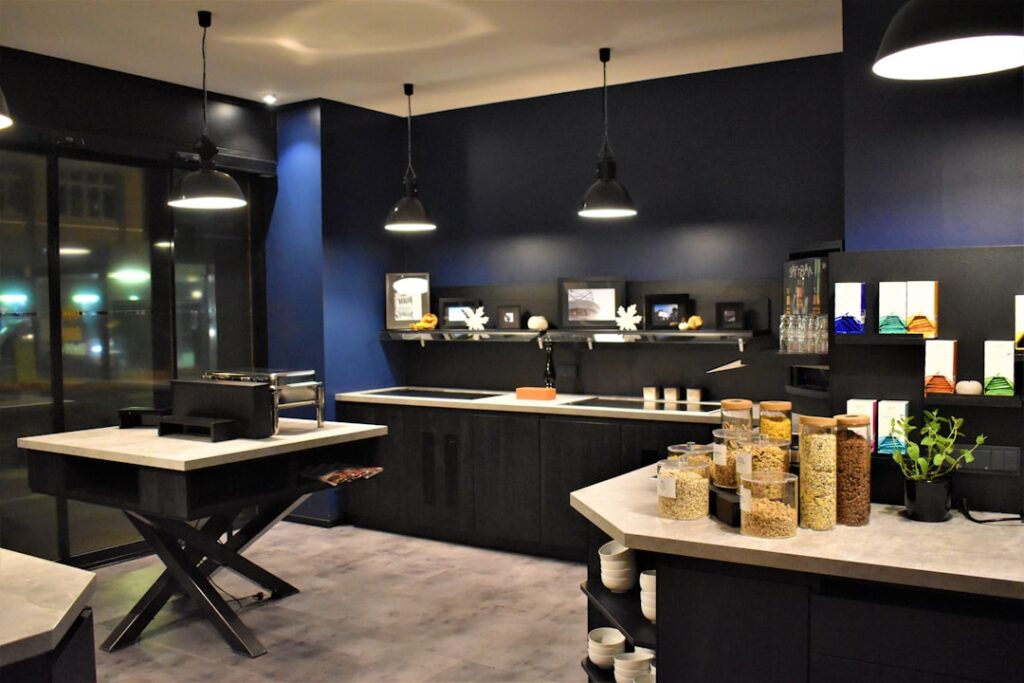
Kreuzberg & Neukölln: Taverns, Street Food and Vegetarian “Classic” Versions
If Mitte represents the gastronomic reinterpretation, Kreuzberg and Neukölln represent neighborhood life: food trucks, reinvented kebabs and small taverns where you share rustic plates. This is where you’ll find vegetarian takes on popular specialties—kebab, Currywurst, Sunday roasts—served in a friendly atmosphere and often at very reasonable prices.
Vöner (vegan kebab inspired)
Address: Boxhagener Str. 56, 10245 Berlin-Friedrichshain (check the exact entrance depending on the branch).
Hours: typically 11:00–22:00 (varies by season).
Price: sandwiches €3.50–6.50, side portions €2–4.
Description: Vöner popularized the plant-based version of Berlin’s famous Döner, using a seitan- or tofu-based “doner” well-seasoned and served in traditional bread with white sauce and marinated vegetables. It’s a classic example of how iconic Berlin street food can be transformed without losing its comforting, spicy character. Lines can get long at peak times, but service is quick.
Local tip: ask for it “scharf” (spicy) and try it with the pickles; great to share after a walk along the Spree or in Volkspark Friedrichshain.
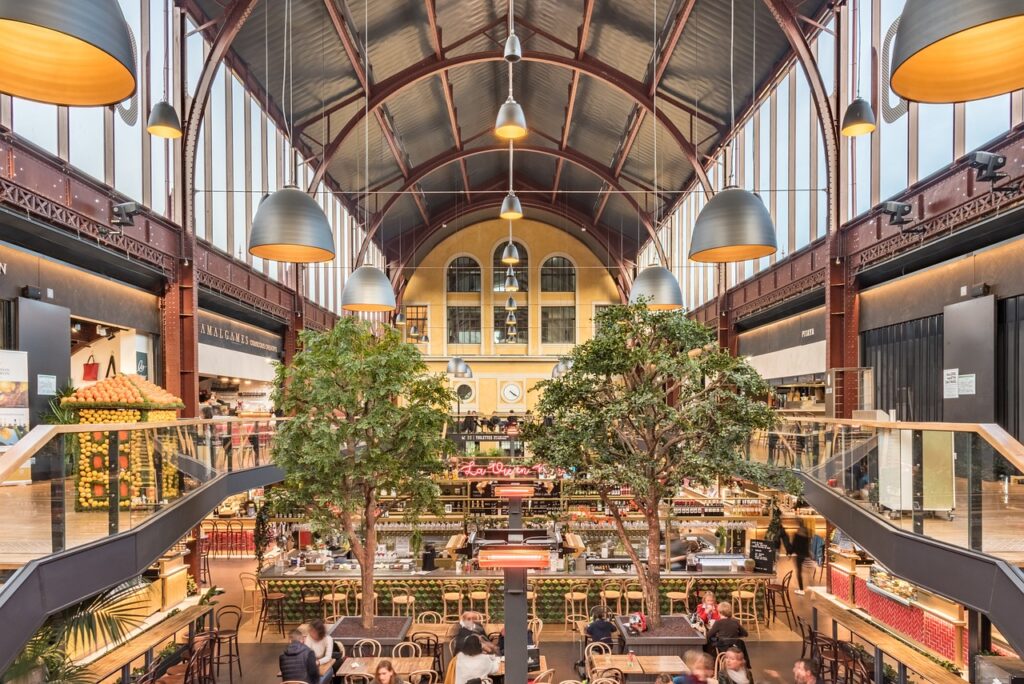
Markthalle Neun — stalls and traditional dishes given a modern twist
Address: Eisenbahnstraße 42/43, 10997 Berlin-Kreuzberg
Hours: permanent market, individual stall hours vary; Street Food Thursdays 17:00–22:00; Saturday food market 09:00–16:00.
Price: street-food portions €4–12; market dishes €6–15.
Description: Markthalle Neun is a historic market hall where producers, bakers, cheesemakers and food stalls gather. Many vendors now offer vegetarian reinterpretations of traditional dishes—mushroom dumplings, vegetable-filled pierogi, robust sauces and homemade breads. Street Food Thursdays and weekend markets are ideal for trying multiple specialties at low cost and talking directly with artisans.
Local tip: arrive early to avoid weekend crowds; taste seasonal stalls (autumn and winter often bring hearty vegetarian comfort food).
Prenzlauer Berg & Friedrichshain: Cafés, Gardens and Seasonal Vegetarian Dishes
These neighborhoods attract a local, family-oriented crowd: organic cafés, small restaurants that work with cooperatives and urban gardens where meals follow the day’s harvest. Here, traditional cooking becomes seasonal—rustic soups, gratins, savory tarts and stews made from the vegetables of the day.
Prinzessinnengärten (café and community garden)
Address: Prinzessinnenstraße 35–38, 10969 Berlin-Kreuzberg
Hours: typically 10:00–19:00 (varies with season; closed some days in winter).
Price: simple dishes €4–12, coffees and pastries €2–5.
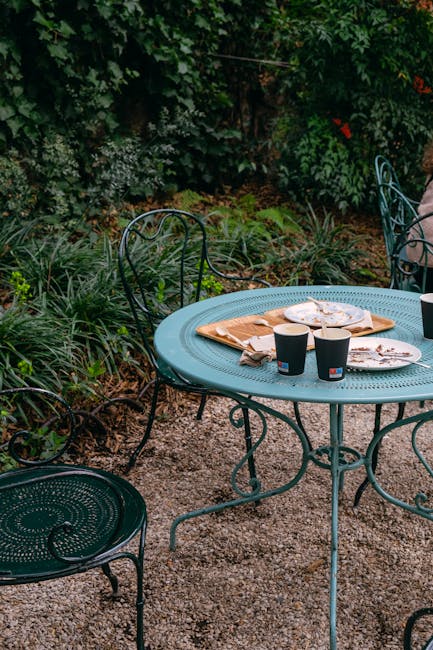
Description: Prinzessinnengärten is a community space where vegetables are grown in the city and the garden café serves simple dishes—often vegetarian or vegan—made with local harvests. Expect savory pies, stoemp (a rustic mashed-potato-style dish), soups and small stews that evoke countryside German cooking, prepared sustainably and creatively. The vibe is relaxed and perfect for a late lunch in the sun.
Local tip: check the workshops and events (community meals, cooking workshops)—they’re often a great way to learn local vegetarian recipes.
Brammibal’s Donuts (vegan sweet stop)
Address: Maybachufer 8, 12047 Berlin-Kreuzberg (check the nearest branch).
Hours: typically 08:00–20:00, varies by location.
Price: donuts €2.50–4 each; coffees €2–4.
Description: While not a traditional restaurant, Brammibal’s shows how Berlin’s food culture reinvents every category in plant-based form. To finish a reinterpreted traditional meal, a local vegan pastry—brioche-style buns, apple tarts, donuts—is an authentic way to taste Berlin’s creativity.
Local tip: buy donuts to go for a stroll along the Landwehrkanal or to accompany a savory tasting in nearby parks.

Markets, Festivals and Practical Tips for Tasting Berlin’s Vegetarian Tradition
Beyond restaurants and cafés, Berlin offers a rich calendar of markets and events where traditional vegetarian cuisine often shows its most inventive and accessible side: vegan festivals, organic markets and seasonal events. These gatherings are perfect for comparing, sampling and learning.
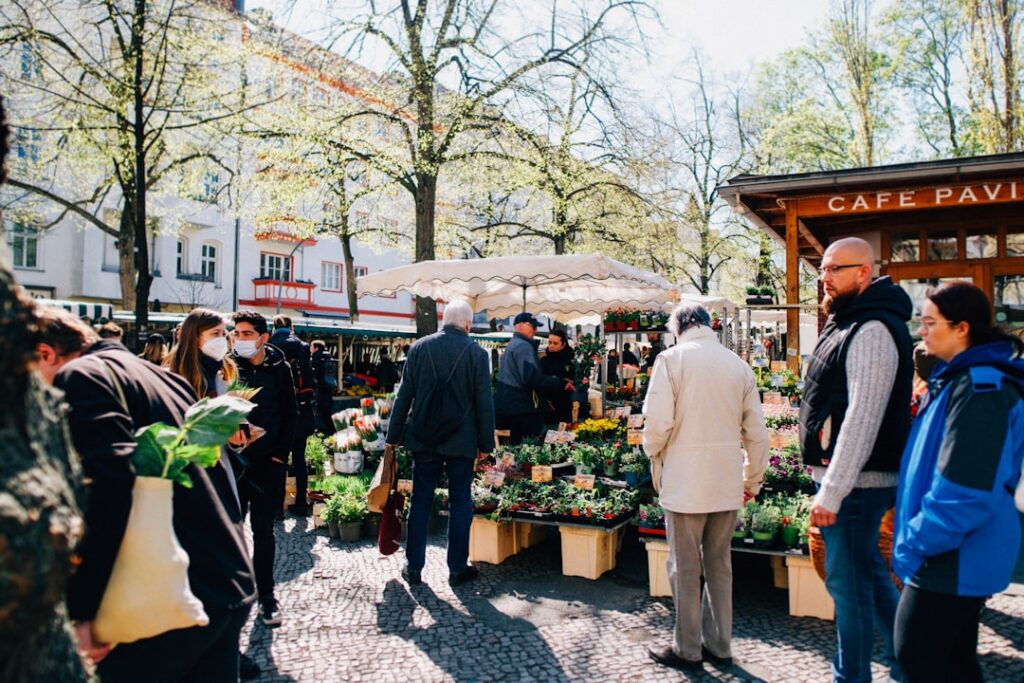
Regular events include the Veganes Sommerfest (usually late August in Friedrichshain park), editions of the Berlin Vegan Market and Berlin Food Week that feature stalls specializing in traditional vegetarian dishes. Local markets like the Wochenmarkt am Boxhagener Platz (Boxhagener Platz, 10245 Berlin) or the farmers’ market at Winterfeldtplatz (Winterfeldtplatz, 10781 Schöneberg) also offer many vegetarian options prepared by artisans and organic producers. Prices at these markets vary: street-food portions €4–10, artisan products €3–12 depending on the specialty.
Practical tips:
- Reservations: for fine-dining restaurants (Kopps, Cookies Cream), book several days in advance, especially on Friday and Saturday nights.
- Budget: plan €25–45 for a mid-range meal, €50–90 for a fine-dining experience per person, and €4–12 for street food/market plates.
- Hours: many small cafés close between 15:00 and 17:00; restaurants mostly open for dinner. Markets operate in the morning and early afternoon.
- Allergies and alternatives: most places clearly label vegan/gluten-free options; don’t hesitate to state your needs in German or English (“Ich bin allergisch gegen … / I’m allergic to …”).
- Transport: favor biking or public transit (U-Bahn, S-Bahn)—parking is limited in central neighborhoods.
Conclusion — How to Build Your Traditional Vegetarian Food Route in Berlin
Berlin offers a full spectrum for anyone wanting to explore traditional-style vegetarian cuisine: from fine dining homes reimagining German classics, to food trucks serving plant-based kebabs and Currywurst, to historic markets and community gardens showcasing local ingredients. To make the most of it, combine experiences: a gastronomic dinner (Kopps or Cookies Cream) to understand the modern approach, a stop at Markthalle Neun or a local market to taste affordable specialties, then a stroll through a community garden like Prinzessinnengärten to appreciate seasonality and provenance.
Plan according to your priorities: if you want faithful renditions of traditional recipes, head to taverns and stalls offering plant-based versions of popular dishes; if you’re after creativity, pick tasting menus. Whatever you choose, Berlin stands out for its transparency about ingredients and wide availability, making the experience safe and enjoyable for vegetarians, vegans and curious food lovers alike.
Finally, remember Berlin’s food scene changes quickly: addresses, opening hours and menus often evolve. Always check official websites or social pages of venues before you visit to confirm opening times, seasonal menus and prices. With a bit of planning, you can craft a rich, varied and deeply satisfying route where tradition is savored without meat—but with all the generosity and conviviality that make German cooking so beloved.